
By Camilla Ni
Overview
The British Longhair is a gentle, affectionate cat breed known for its plush, flowing coat and calm, easygoing nature. Often described as the "long-haired cousin" of the British Shorthair, this breed combines the British Shorthair's sturdy build and sweet face with a luxurious, silky coat that comes in a wide range of beautiful colors.
Whether you're drawn to the classic blue, rich golden British longhair cat, warm ginger British longhair cat, or striking British longhair cat black, this breed offers a fluffy companion with a heart of gold.
British Longhair Cat Colors and Patterns
One of the most beloved traits of the British Longhair is its wide variety of coat colors, each highlighting its round face and large, expressive eyes.
British Longhair Cat Solid Colors
British Blue Longhair
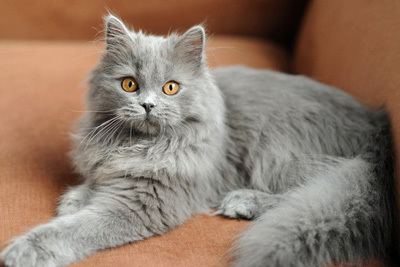
The most iconic variety, with dense blue-gray fur and striking orange or copper eyes. While not a true british blue cat with blue eyes, some silver varieties may have lighter, bluish-green tones.
Golden British longhair cat
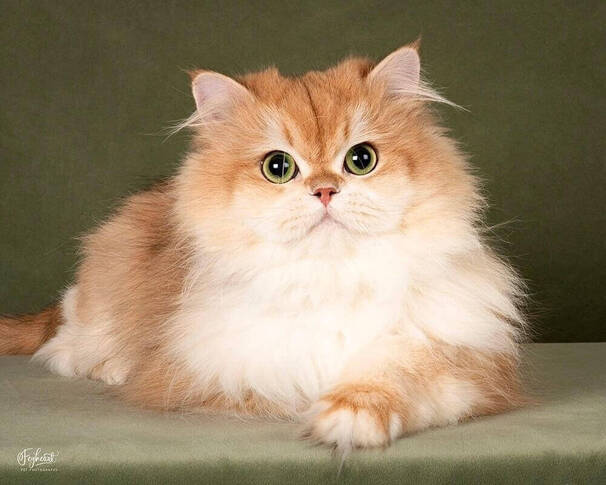
With a soft, warm golden coat that shimmers in the light, these cats look like little sunbeams and are highly sought after.
Brown British longhair cat
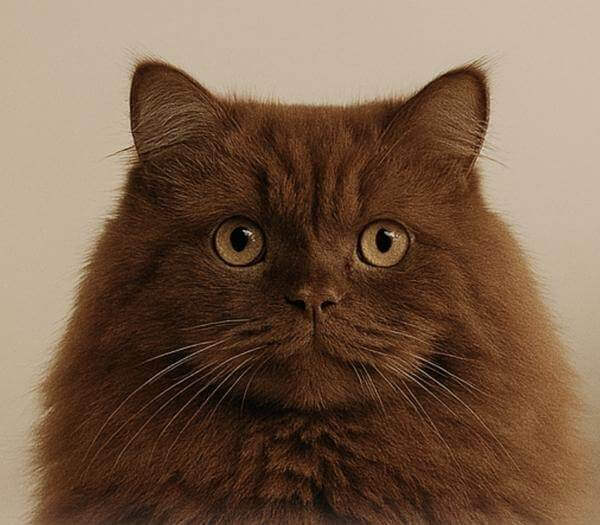
A rich, deep brown coat gives these cats a warm, elegant appearance, often paired with amber eyes.
British longhair cat black
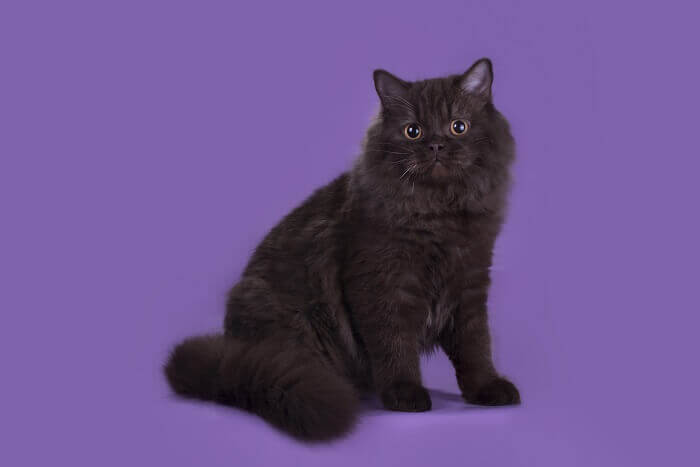
Sleek and shiny, the long haired black cat look is particularly dramatic, with the thick coat emphasizing their round shape.
British longhair cat white
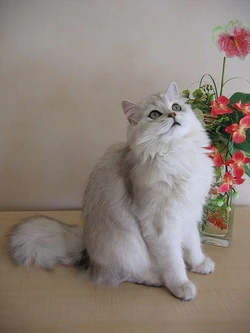
Pure white coats can come with blue, odd-eyed, or golden eyes, giving them a delicate, angelic look.
Orange British longhair cat / Ginger British longhair cat
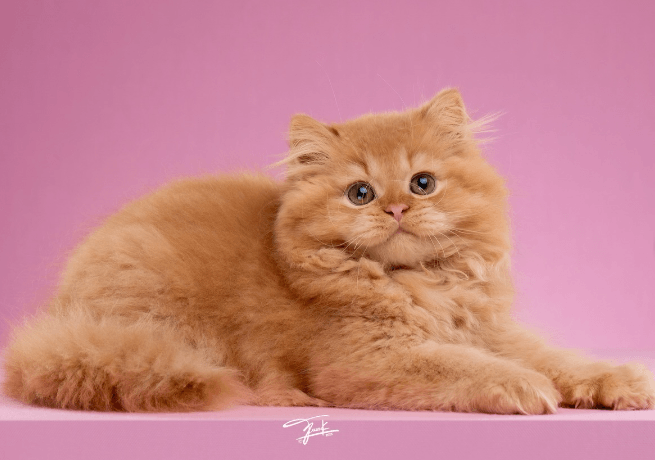
Vibrant, warm ginger coats are full of personality, often paired with playful and friendly temperaments.
Patterns
British Longhairs also come in tabby, bicolor, smoke, and shaded patterns, each adding extra charm to their fluffy appearance.
Key British Longhair Cat Characteristics
British Longhair Cat Life Span
The British longhair cat life span is usually 12 to 16 years with proper care. Routine vet checkups, a balanced diet, healthy weight management, and a calm home environment all support a longer, healthier life for this relaxed breed.
Temperament: Are British Longhair Cats Cuddly?
Yes! The British Longhair is known for being affectionate, gentle, and calm. While they enjoy quiet cuddle sessions, they are not overly clingy, making them perfect companions for both families and single owners. They tend to be quiet, patient, and adaptable to apartment living.
Size: How Big Do British Longhair Cats Get?
British Longhairs are medium to large cats. Adults typically weigh between 7 and 17 pounds, with males being larger than females. Their sturdy build and thick coat can make them appear even bigger than they are.
Coat Care: Do British Longhair Cats Shed a Lot?
Yes, they do shed moderately, especially during seasonal changes. Their long, dense coat requires weekly brushing (and more during shedding seasons) to prevent mats and tangles. While not as high-maintenance as some long-haired breeds, regular grooming is essential to keep their coat healthy.
Hypoallergenic Traits: Are British Longhair Cats Hypoallergenic?
No, British Longhair cats are not hypoallergenic. Like most cats, they produce the Fel d 1 protein found in saliva and dander, which can trigger allergies in sensitive people. Their long coat can also trap more allergens, making them less ideal for severe allergy sufferers.
Enrichment and specific needs
As one of the most popular cat breeds British longhair, these fluffy companions have gentle temperaments but still require proper daily enrichment to stay happy and healthy. British Longhair cats are calm and laid-back, yet they benefit from interactive toys, scratching posts, and cozy window perches to watch outdoor scenery.
Because of their long, dense coat and relaxed lifestyle, they tend to be less active than more energetic breeds, so light daily play prevents boredom and unwanted weight gain. Whether you own a golden British longhair cat, orange British longhair cat, or British longhair cat black, their basic needs stay consistent: a quiet living space, routine feeding, regular grooming, and simple mental stimulation.
Apartment homes are perfectly suitable for them, as long as you provide safe hiding spots, soft bedding, and occasional one-on-one bonding time. Meeting these small enrichment needs keeps your longhair kitten and adult British Longhair calm, affectionate, and well-adjusted year-round.
How to Tell if a Kitten Will Have Long Hair
If you're adopting a kitten and wondering whether it will grow into a longhair kitten, there are several clear signs your kitten will have long hair.
What Do Long Hair Kittens Look Like?
At a young age (under 8 weeks), longhair kitten often show these traits:
- Fluffy "puffball" appearance: Their coat looks thicker, softer, and more voluminous than shorthair kittens.
- Ear tufts: Small tufts of fur inside or at the tips of the ears are a common sign of long hair.
- Fluffy tail: A tail that looks fuller and bushier than the rest of the body often indicates long hair.
- Fur between the toes: Extra fur growing between the paw pads is another telltale sign.
- Slow to develop sleek fur: Shorthair kittens develop a smooth, sleek coat early on, while longhair kittens stay soft and fluffy longer.
If you're unsure, looking at the kitten's parents is the most reliable way to know: if one or both are long-haired, the kitten has a high chance of having long hair too.
Common Confusions: British Longhair vs. Other Breeds
For a broader comparison, explore our Cat Breeds A-Z guide.
- British Longhair vs. British Shorthair: The key difference is the coat length. The British Shorthair has a short, dense coat, while the British Longhair has long, flowing fur.
- British Longhair vs. Russian Blue: The Russian Blue has a sleek, short blue coat and bright green eyes, while the British Longhair's blue variety is fluffier and usually has orange eyes. The idea of british shorthair russian blue cat mix is a common myth, as they are distinct breeds.
- Long Haired Black Cat vs. British Longhair Black: While any long haired black cat can be beautiful, the British Longhair black has the breed's signature round face, sturdy build, and plush coat.
Common British Longhair Cat Health Issues
Even though British Longhair cats are generally sturdy indoor companions, they inherit certain genetic health risks shared with British Shorthair cats.
Hypertrophic cardiomyopathy (HCM): A common heart condition where heart muscle thickens. Reputable breeders complete heart screening for parent cats. Early signs may include low energy or breathing trouble.
Polycystic kidney disease (PKD): A genetic kidney disorder that creates cysts on kidneys over time. This ties into our article covering symptom of kidney disease in cats; genetic testing for kittens helps lower risk.
Besides genetic conditions, this low-activity breed easily becomes overweight when living in small apartments. Extra weight can trigger joint stress, diabetes and urinary problems. Consistent portion control and light daily play can help prevent obesity for indoor-only British Longhair cats.
British Longhair Cats In Apartment Homes
British Longhair cats fit apartment life really well thanks to their calm, quiet personality. Still, small-space owners need to handle a few breed-specific challenges.
- Their thick shedding fur creates extra housekeeping work in compact rental apartments. Stick to weekly brushing, and increase grooming frequency during spring and fall shedding seasons to cut loose hair around furniture and bedding.
- They do not need huge floor space, but vertical enrichment matters. Build a window spot cats love, plus stable scratching posts and soft hiding spots, to make studio-apartment living much happier for them.
- Since they tend toward laziness inside apartments, short daily play sessions stop unwanted weight gain. They are not hyper-active cats, but zero exercise will lead to health issues over time. See our guide on cat exercise for indoor cats.
- They prefer stable, quiet routines. Frequent loud noise or big changes in small apartments may stress this gentle breed.
Frequently Asked Questions About British Longhair Cats
- Are British Longhair cats good for apartments?
- Yes. Their calm, quiet temperament makes them well-suited for small-space indoor living, as long as you provide grooming care and simple enrichment.
- What health problems do British Longhair cats get?
- Main genetic risks include HCM heart disease and PKD kidney disease. Without proper exercise, they are also prone to obesity when kept indoors.
- How often should I groom a British Longhair cat?
- Brush 2-3 times per week normally; daily brushing is needed during heavy shedding seasons to prevent painful mats behind ears and under armpits.
- What is the difference between British Longhair and British Shorthair?
- They share similar body shape and personality. The main difference is coat length; British Longhair has long plush fur requiring more regular grooming.
Sources
- The Governing Council of the Cat Fancy (GCCF) - British Longhair Breed Standard
- The International Cat Association (TICA) - British Longhair Breed Profile
- American Society for the Prevention of Cruelty to Animals (ASPCA) - Cat Allergies and Feline Care Guidelines
- Cornell University College of Veterinary Medicine - Feline Grooming, Lifespan and Enrichment Best Practices