
Cat Health
Common Cat Symptoms: When to Worry & When to Wait
Apartment cats hide discomfort well. Knowing the early warning signs means you can act quickly, before small issues become expensive emergencies. Want to learn more about breeds and cat facts? Explore Discover.
Review What Can Cats Eat? Guide
Common Conditions in Indoor Cats
These are the issues apartment cats face most often.

Digestive Health
Cat Vomiting: Why, Causes & Fixes
Why is my cat vomiting, why cats puke after eating, and what to do when throwing up but seeming fine.

Daily Care
Cat Exercise: Fitness for Indoor Cats
Daily workout routines, toy ideas, lazy-cat tips, and how much exercise apartment cats really need.

Very Common
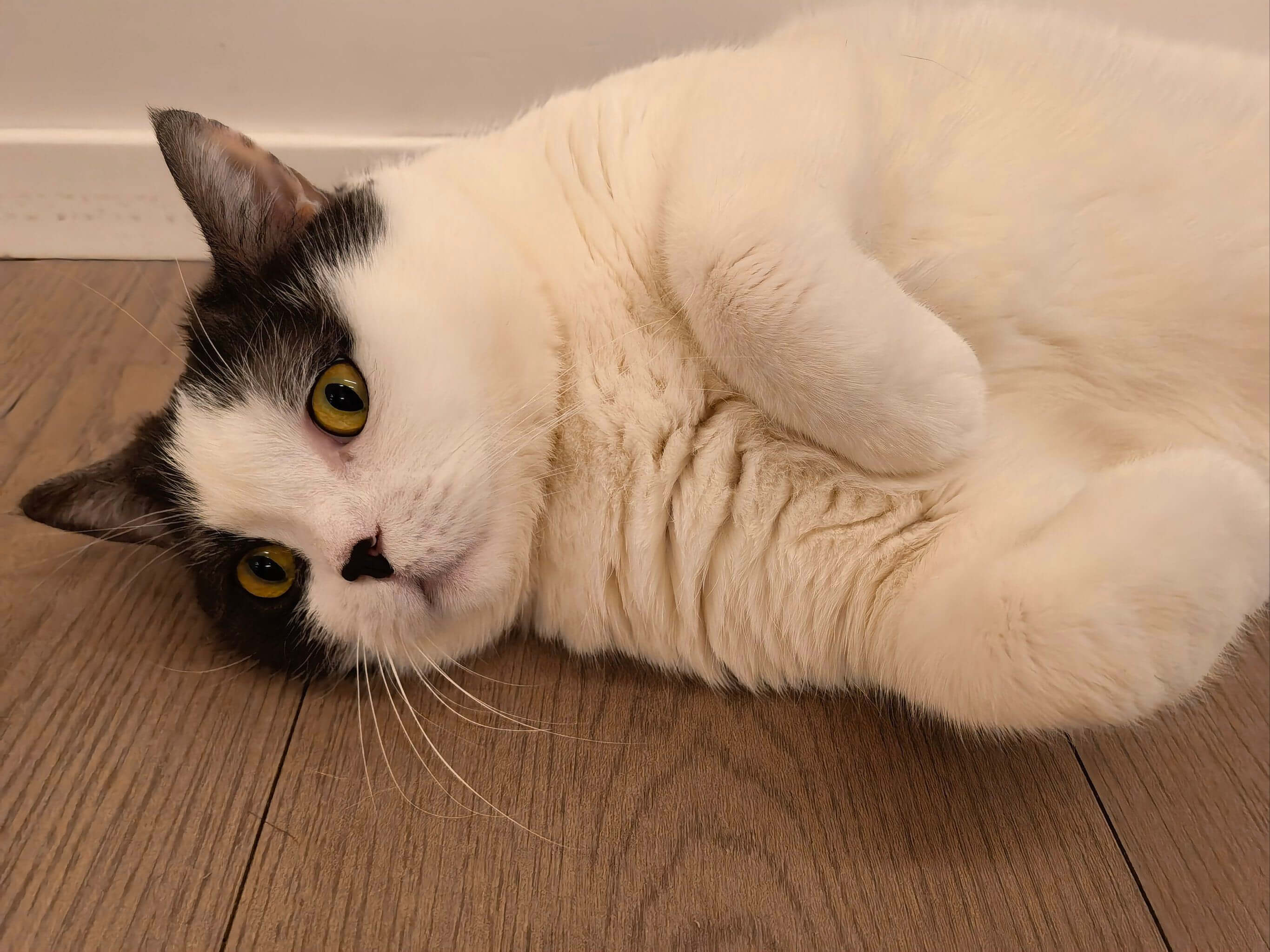
Overweight Cat: How to Tell & Lose Weight
How to tell if your cat is fat, obesity risks, and a safe apartment-friendly plan to help your cat lose weight.
Digestive Health
Why Do Cats Farts Smell So Bad?
Learn why cat farts smell bad, why does my cat fart so bad, and when smelly cat gas needs a vet.

Upper Respiratory
Can Cats Get Colds? What Cat Owners Need Know
Can cats get a cold? Not from humans usually. Find out what causes feline colds and whether can my cat get a a cold from other cats.
Kidney Health
Symptom of Kidney Disease in Cats: Early Signs Owners Miss
Real rescue story plus early warning signs — excessive thirst, vomiting, weight loss, and daily care tips for feline kidney disease.

Frequent
Urinary Tract Infection in Cats
Signs of UTI in cats, common apartment causes, safe treatment, and urinary-support food tips.

Often Missed
Cat Dental Care: How to Clean Cats Teeth
Home brushing steps, when professional cat dental cleaning is needed, and apartment-friendly oral care habits.
Warning Signs to Watch
Cats rarely show obvious pain. These subtle signs often indicate something needs attention. When in doubt, contact your vet. If your cat is sneezing or has a runny nose, see can cats get colds for causes and when to worry.
- Eating noticeably less or refusing food for more than 24 hours
- Vomiting more than once or twice per week
- Changes in litter box frequency or straining to urinate
- Excessive hiding or sudden aggression - sometimes confused with autism-like behaviors in cats
- Labored breathing or open-mouth breathing at rest
- Weight loss over several weeks without dietary changes
Prevention Basics
Simple habits that protect your cat's long-term health.
Annual vet visits
Even healthy-looking cats benefit from yearly checkups. Bloodwork and a physical exam catch issues long before symptoms appear.
Keep vaccinations current
Indoor cats still need core vaccines. Diseases can enter through open windows, shoes, or contact with other animals during vet visits.
Monitor body weight
Weigh your cat monthly. A consistent scale reading is one of the best early indicators of health changes in either direction.
Dental hygiene
If brushing is not realistic, dental treats and water additives help. Ask your vet for options that work for your cat's temperament.