
Cat Health
Can Cats Get a Cold?
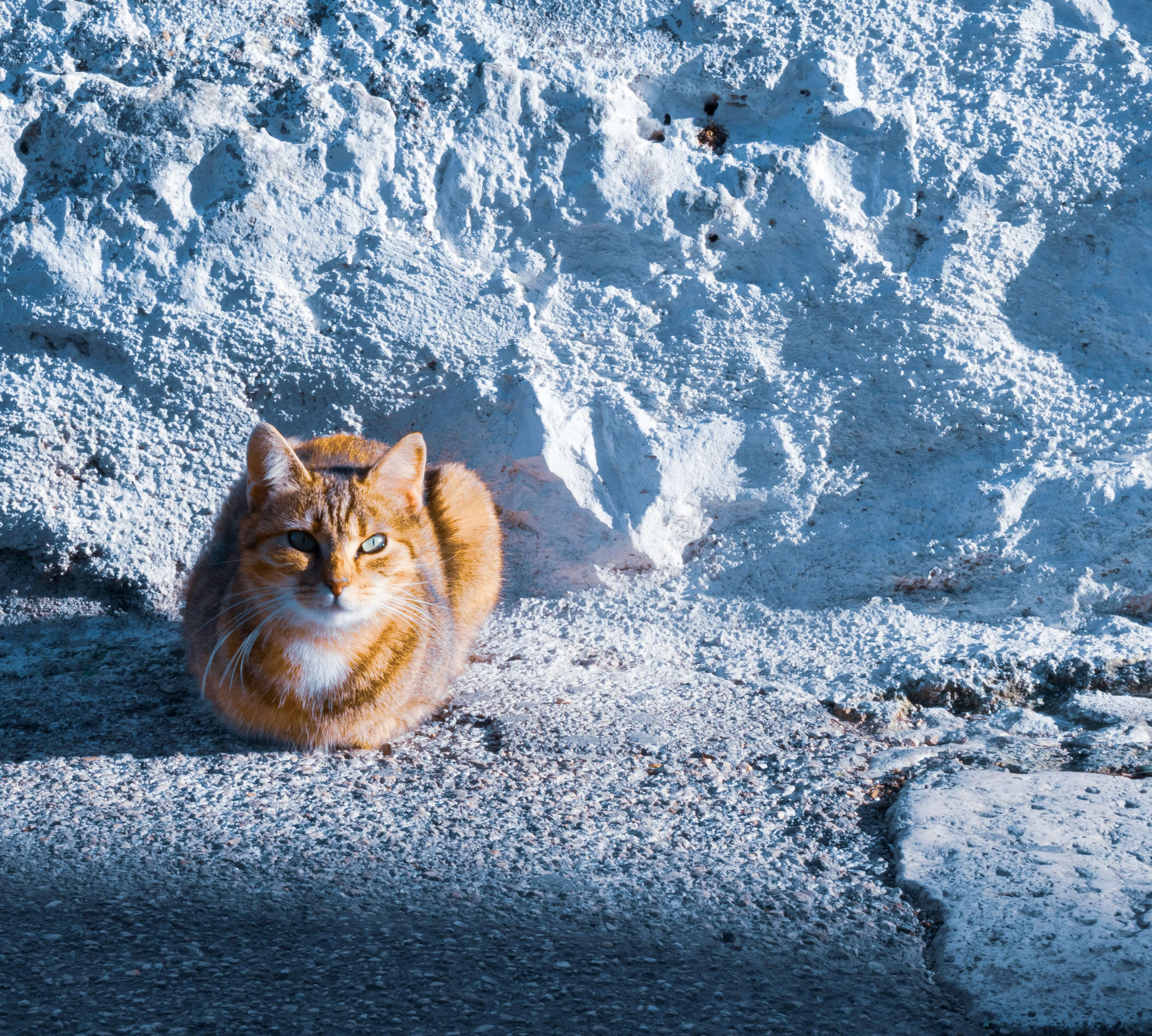
If you've ever noticed your cat sneezing, sniffling, or having watery eyes, you might wonder: Can cats get a cold? The short answer is yes. Cats can develop upper respiratory infections that closely resemble the common cold in humans. However, the viruses and bacteria behind these infections are usually specific to felines. So, while your cat can indeed catch a "cold," it's not quite the same as the human version. For a broader overview of symptom checklists and what they can mean, browse Common Cat Symptoms.
Short answer: Cats can get cold-like upper respiratory infections, but they usually do not catch the same germs that give people a common cold.
Can My Cat Get a Cold from the Same Germs as Me?
A common concern among pet owners is: Can my cat get a cold from me? Typically, no. Most human cold viruses - such as rhinoviruses and coronaviruses that affect people - do not infect cats. The pathogens are species-specific, which means they're adapted to humans and can't survive or multiply in a cat's body. However, there are rare exceptions, such as certain strains of influenza (like H1N1), which have been known to pass from humans to pets. But for the average common cold, the risk is extremely low.
Can Cats Get Colds from Humans? The Facts
So, to be clear: Can cats get colds from humans? In the vast majority of cases, no. But what about the reverse? Humans cannot catch a cat's cold either. If your cat is sneezing with a runny nose, you don't need to worry about getting sick - but your other cats might. Feline colds spread quickly between cats through sneeze droplets, shared food bowls, or litter boxes. For fun facts and breed curiosities, explore Discover.
What Causes Colds in Cats?
Now that we've answered "can cats get a cold," let's look at what actually causes these symptoms in felines. The most common culprits are:
Feline herpesvirus (FHV-1)
A major cause of feline upper respiratory signs; flare-ups can recur after stress.
Feline calicivirus (FCV)
Highly contagious; contributes to sneezing, oral ulcers, and similar cold-like symptoms.
Bordetella & Chlamydia
Organisms such as Bordetella bronchiseptica and Chlamydia felis can add to or mimic URI signs.
These infections are highly contagious among cats, especially in shelters, catteries, or multi-cat households. Symptoms include sneezing, nasal congestion, coughing, eye discharge, fever, and loss of appetite.
When to See a Vet
Even though a mild cold in an otherwise healthy cat may resolve on its own within 7-10 days, you should consult a veterinarian if:
- Symptoms last more than a week
- Your cat stops eating or drinking
- There is thick yellow or green discharge from the eyes or nose
- Your cat seems lethargic or has difficulty breathing
Young kittens, senior cats, or those with pre-existing conditions are more vulnerable and may need medical treatment. For quick category browsing, see Common Cat Symptoms.
Conclusion: Protect Your Cat
To summarize: Can cats get colds? Yes. Can my cat get a cold from me? Almost never. Can cats get colds from humans? Not typically, but good hygiene - like washing your hands before handling your cat when you're sick - is still a wise habit. If your feline friend shows cold-like signs, provide a warm, quiet place to rest, encourage fluid intake, and keep them away from other cats. When in doubt, your vet is the best source of advice. If you want to explore more indoor-cat guides, browse our Cat Care hub.
After all, a healthy cat is a happy cat - and that's something no one catches a cold over.
Sources
- Cornell University College of Veterinary Medicine. Feline Upper Respiratory Infections.
- American Veterinary Medical Association (AVMA). Can pets get the flu?
- VCA Animal Hospitals. Upper Respiratory Infections in Cats.
- Centers for Disease Control and Prevention (CDC). Influenza in Animals.
- Merck Veterinary Manual. Feline Respiratory Disease Complex.
- International Cat Care. Cat 'flu' - upper respiratory infections.
This article is for informational purposes only and is not a substitute for professional veterinary advice. If your cat shows cold-like symptoms that worsen or persist, contact your veterinarian.