
What Can Cats Eat?
What Can Cats Eat? A Guide to Safe & Toxic Foods
Indoor cats have different nutritional needs than outdoor ones. Less activity means portions matter more, and hydration is often overlooked. Here is a practical guide. For breed-specific quirks and fun facts, see Discover.
Health Warning Signs
Quick Answer: What Can Cats Eat?
Deep dives into what your cat can and cannot eat.
Nutrition & Safety
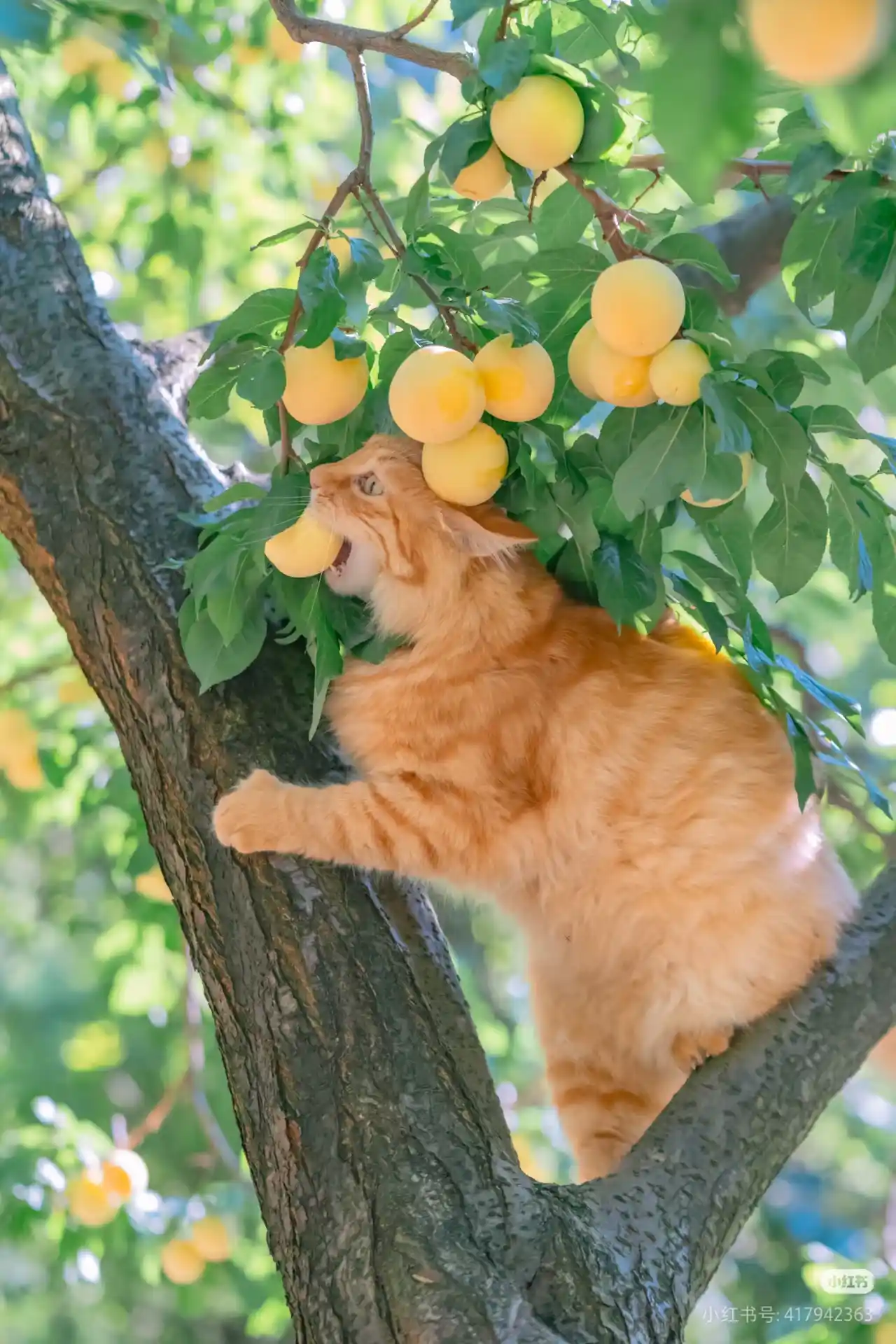
Can Cats Eat Fruit? Safe Fruits and Risks for Indoor Cats
Which fruits are safe in tiny amounts, which are toxic, and common mistakes with fruit treats.
Nutrition & Safety
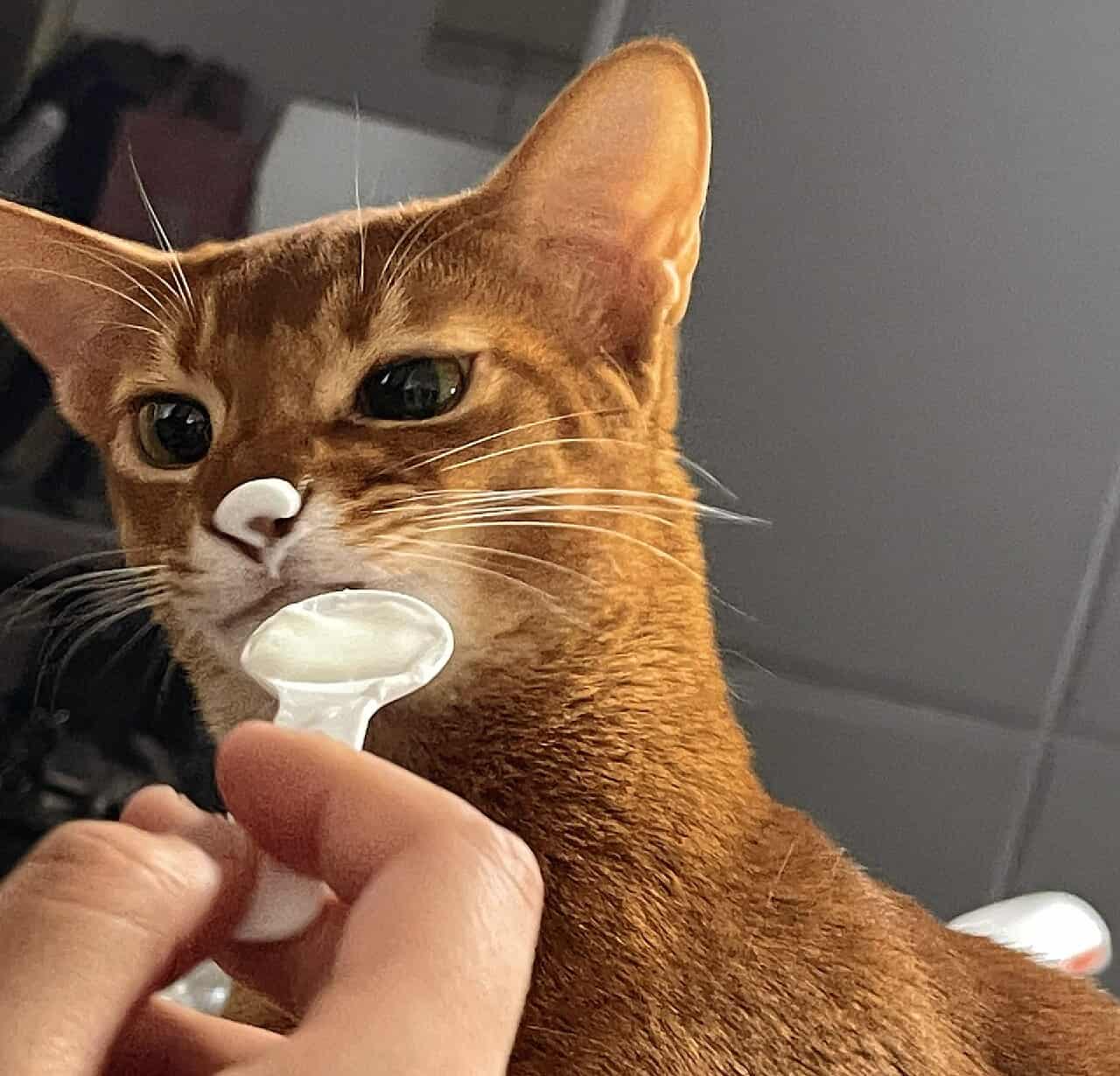
Can Cats Have Greek Yogurt? Safety Tips for Indoor Cats in Small Apartments
Portion sizes, lactose risks, and landlord-friendly feeding tips for small rental apartments.
Nutrition & Safety
Can Cats Eat Blueberries? Safety Tips for Indoor Cats in Small Apartments
Portion sizes, risks, and low-mess feeding tips for cats in small rental apartments.
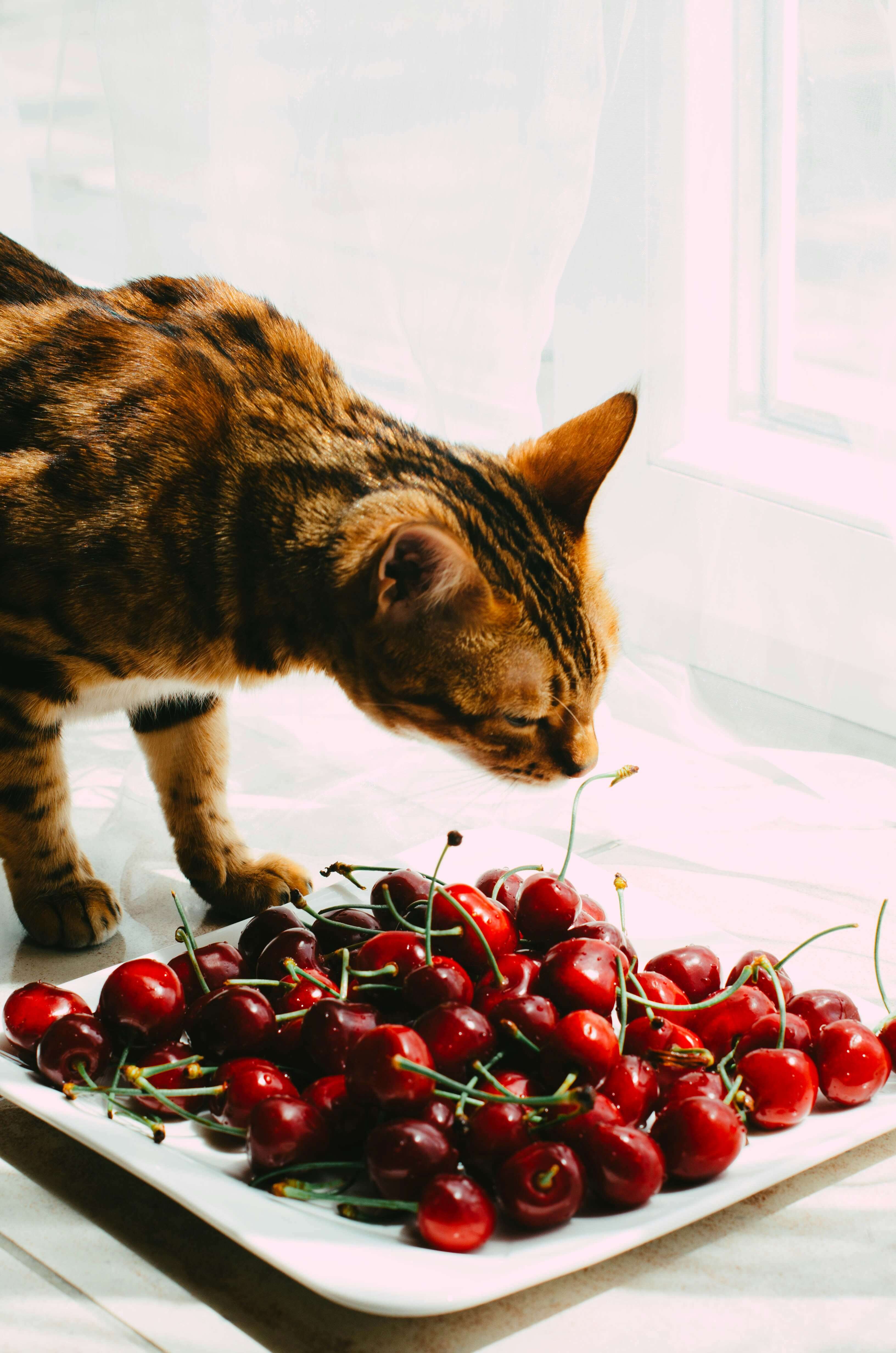
Nutrition & Safety
Can Cats Eat Cherries? What Every Cat Owner Needs to Know
Learn why cherries are toxic to cats, what symptoms to watch for, and what to do if your cat eats one.
Food Types Explained
Dry, wet, raw ? Each has trade-offs. Here is what to know.
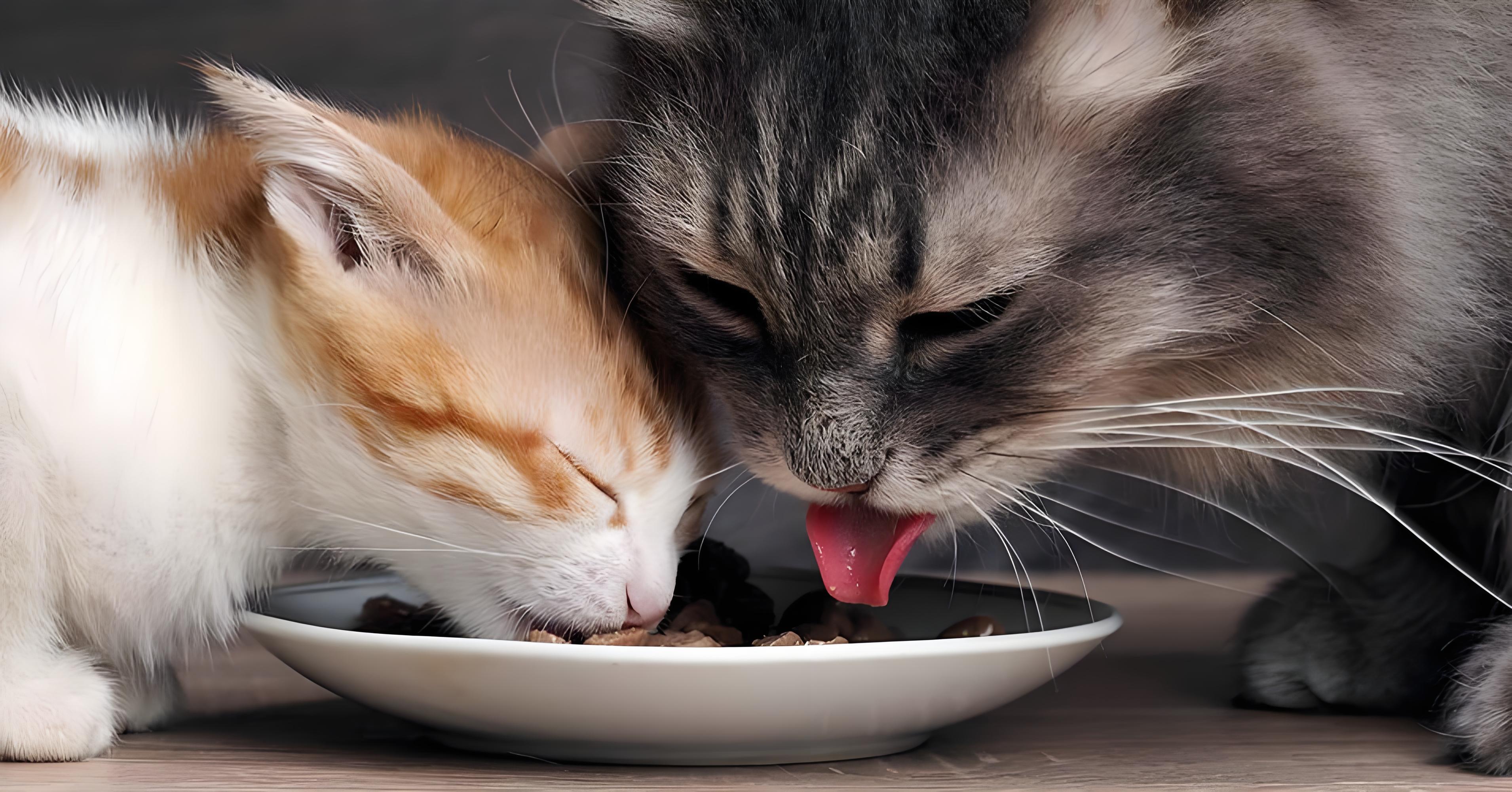
Feeding Guide
Dry Food vs. Wet Cat Food
Compare hydration, odor, mess, storage, cost, and the best mixed-feeding routine for small rentals.
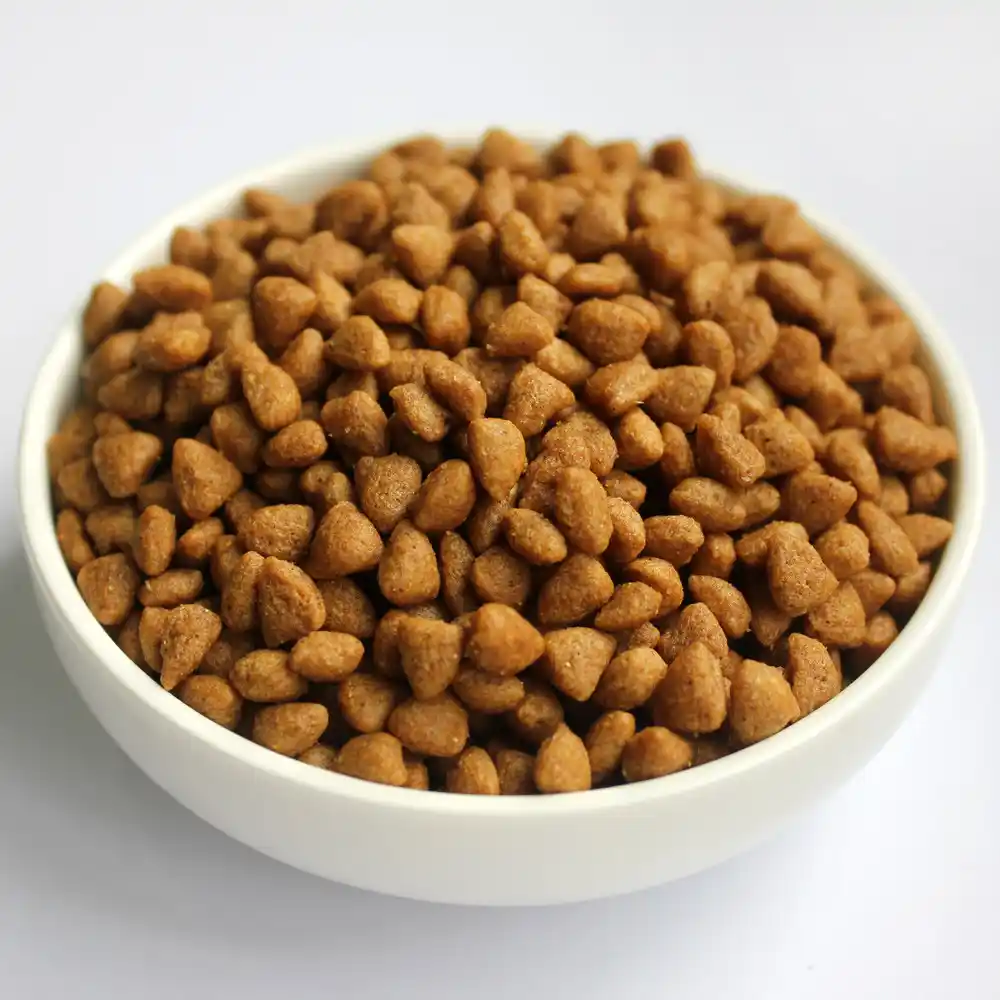
Dry Food
What Is Kibble Cat Food?
Learn what kibble is, how much to feed indoor apartment cats, and apartment-friendly portion rules.
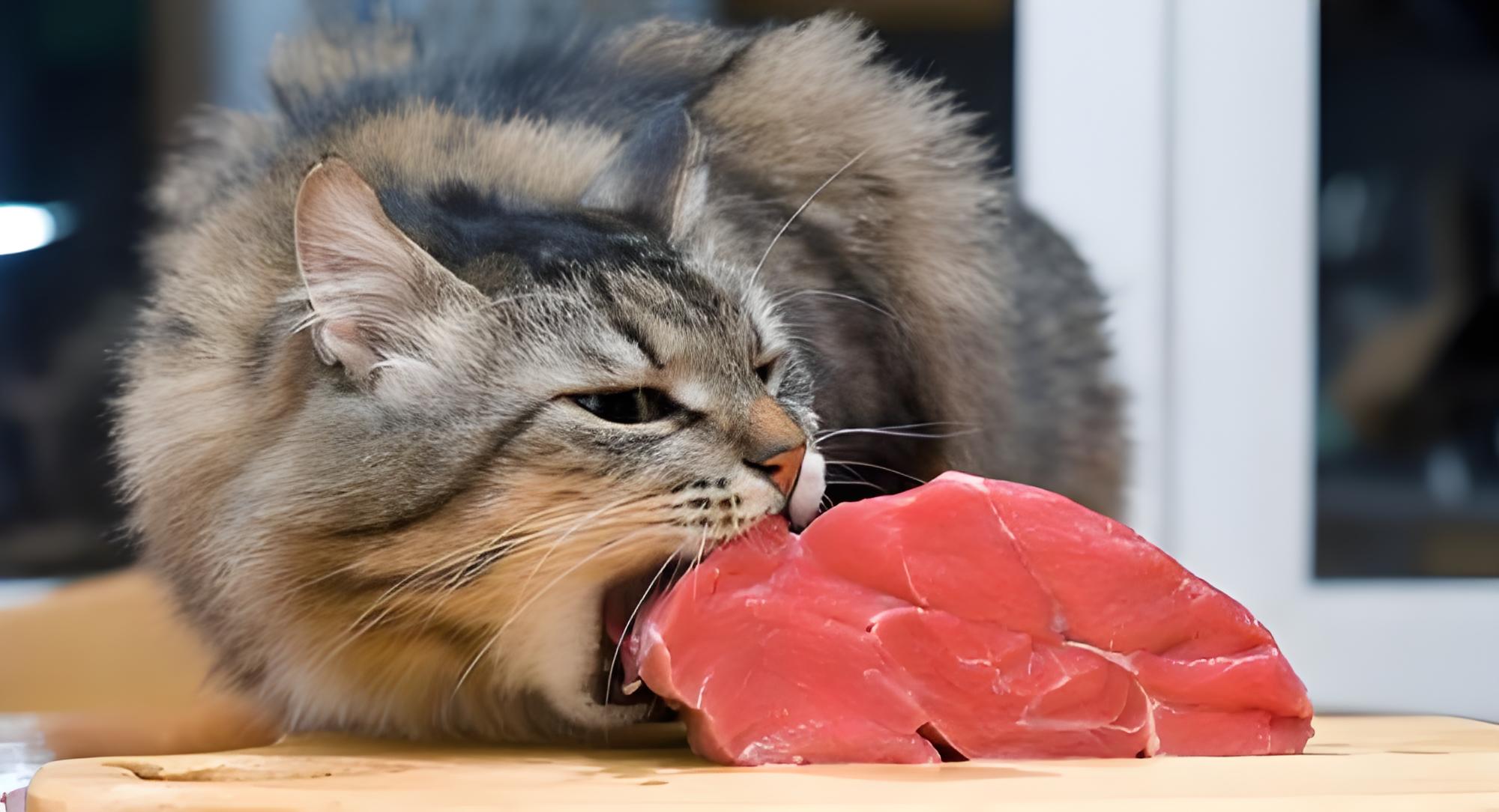
Wet Food
Wet Cat Food: Feeding, Storage & Safety
How much wet food to feed, how long it can sit out, and refrigeration rules for apartment cats.
Portion and Timing Guide
Indoor cats burn fewer calories than outdoor cats. Overfeeding is one of the most common issues in apartment cats and leads directly to joint, heart, and diabetes risks.
A simple scheduled feeding approach prevents overeating and gives you a clear picture of your cat's appetite, which is one of the first signs of illness.
- Feed twice daily at fixed times
- Follow package guidelines as a starting point, then adjust
- Weigh portions with a kitchen scale for accuracy
- Always provide fresh water in a separate bowl from food
- Consider a water fountain to encourage drinking
- Remove uneaten wet food after 30 minutes
Common Feeding Mistakes
Small habits that make a big difference over time.
Free-feeding dry food
Leaving a full bowl out all day makes it hard to track how much your cat is eating. Scheduled meals give you better visibility into appetite changes.
Ignoring water intake
Cats have a low thirst drive. If your cat eats mostly dry food, it may be chronically under-hydrated without obvious signs.
Switching food too fast
A sudden change in diet often causes digestive upset. Transition over 7-10 days by gradually mixing the new food with the old.
Feeding human food as treats
Many common foods are toxic to cats, including onion, garlic, grapes, and chocolate. Stick to cat-specific treats and use them sparingly.