
Cat Behavior Explained
Why Does My Cat Do That? Understanding Common Cat Behaviors
Indoor cats communicate through posture, sound, and habit. Understanding what these signals mean helps you respond early and keep your cat calm and content. For breed insights and cat fun facts, visit Discover.
Scratching Habits Guide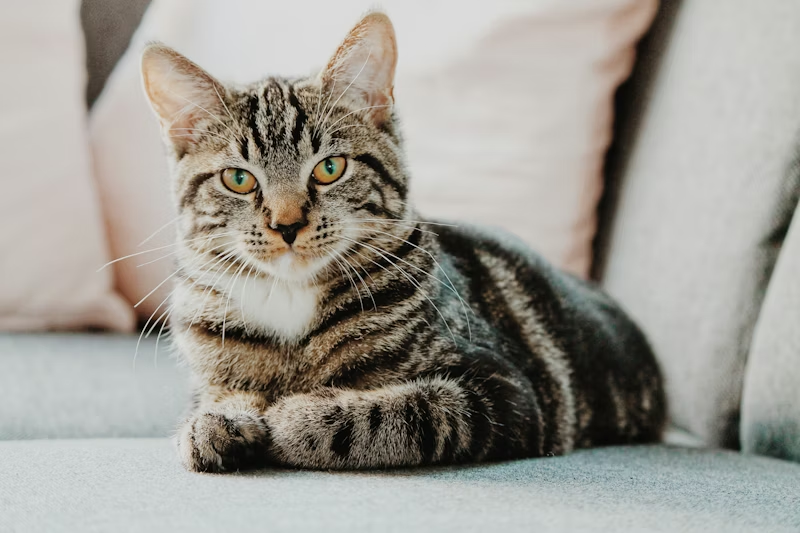
Common Indoor Behaviors
What your cat is doing and what it usually means.
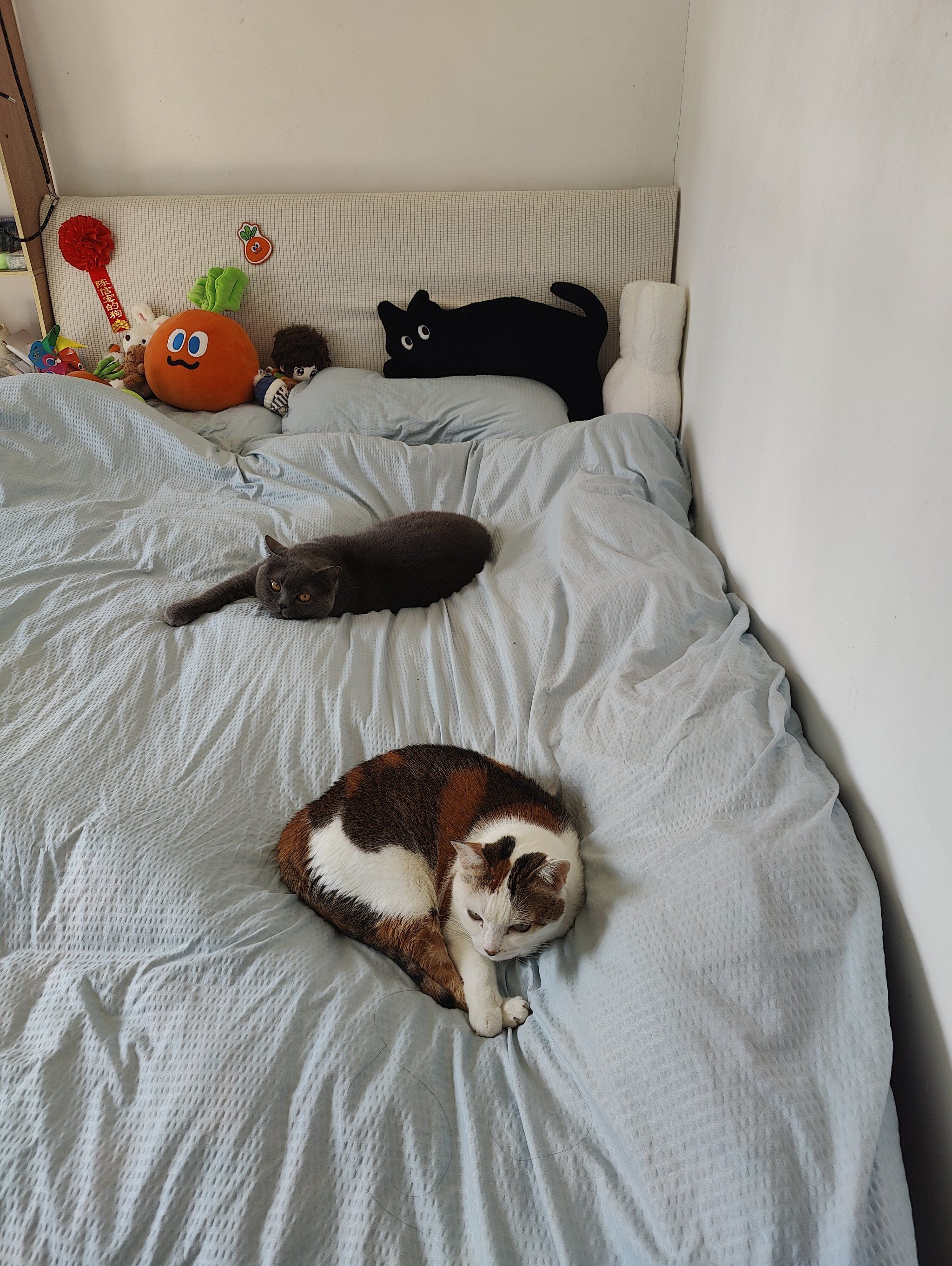
Cat Behavior
Why Does My Cat Pee on My Bed?
Is your cat peeing on your bed instead of the litter box? We break down the 7 most common causes, from health issues to stress, and share step-by-step solutions to help you stop this unwanted behavior for good.

Common
Scratching
Scratching is a completely natural cat behavior that serves two key purposes: claw care and territory marking. Learn how to redirect this instinct to scratch posts, so you can protect your furniture while keeping your cat happy and stress-free.

Enrichment
Window Spot & Watching
Build a safe window perch and turn outdoor views into daily enrichment. Setup options, bird-feeder tips, and apartment window safety—so indoor cats stay stimulated without leaving home.
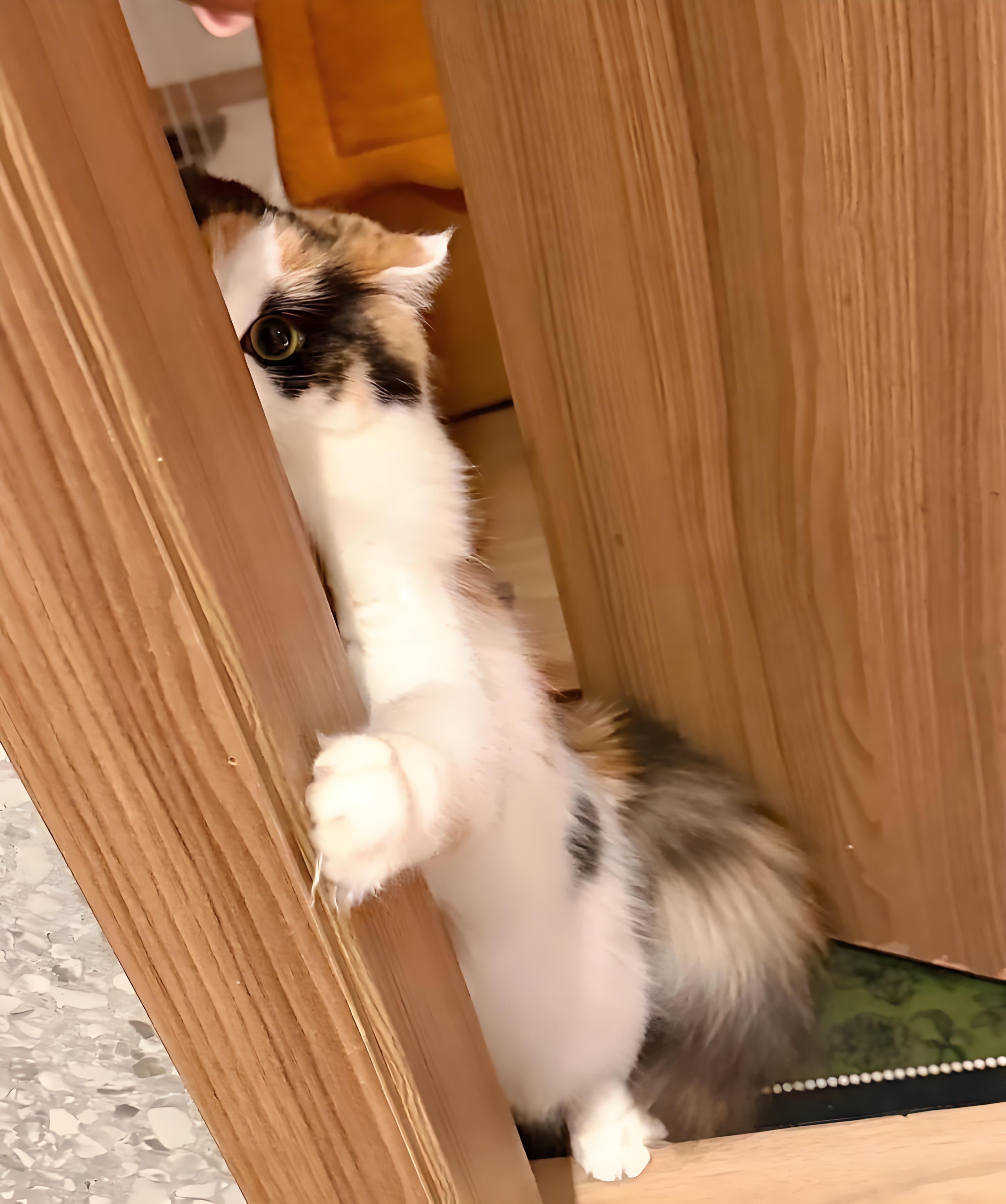
Behavior Q&A
Can Cats Have Autism?
Can cats truly have autism, or are those unusual behaviors signs of something else? We break down what autism-like traits in cats really mean, including how stress, underlying illness, and compulsive patterns often play a role.
Play & Exercise
How to Play with Your Cat
Short, focused play sessions beat occasional long ones. Learn a simple daily routine, which toys work best indoors, and how ten minutes twice a day keeps apartment cats active and calm.

Bonding
Bond with a Shy or Rescue Cat
Building trust with a shy or rescue cat takes patience. These small-step techniques work especially well in quiet apartment homes and help fearful cats feel safe around you.
Reducing Stress in a Small Home
Apartment cats can develop stress-related behaviors when their territory feels too restricted or unpredictable. The goal is to make the space feel larger through structure and variety.
Most behavior problems in indoor cats respond well to enrichment, routine, and patience. Punishment rarely works and often makes things worse. For some cats, sound enrichment also helps, and you can learn more about what kind of music cats like.
- Add vertical space: shelves, cat trees, or wall-mounted perches, or build a window spot cats love
- Rotate toys weekly to maintain novelty
- Keep feeding, play, and sleep times consistent
- Provide at least one quiet retreat per cat
- Avoid sudden changes to furniture or room layout
- Use positive reinforcement, never punishment
When Behavior Changes
Sudden shifts in behavior are often the first sign of a health issue.
Watch for sudden changes
A cat that suddenly stops grooming, eats less, hides more, or becomes aggressive may be in pain or ill. These changes deserve prompt attention, not correction.
Track what is normal
Knowing your cat's baseline, how much it eats, sleeps, and plays, makes it much easier to notice when something is off. A simple weekly note helps.
Multi-cat tension
If you have more than one cat, watch for resource guarding around food bowls, litter boxes, and resting spots. One resource per cat plus one extra is the general rule.
When to see a vet
If a behavior change lasts more than a few days and has no clear environmental cause, a vet visit rules out pain or illness before you try behavioral solutions.