
Cat Behavior Explained
Why Do Cats Scratch? A Humane Guide to Saving Your Sofa
Scratching is one of the most natural things a cat does. Many pet owners repeatedly ask, how do I stop cat scratching furniture, seeking gentle, effective solutions instead of harsh restrictions. It is extremely common for cat parents to struggle with unwanted upholstery damage and search for actionable, kind methods to curb this habit. Understanding the reasons behind this feline habit makes it far easier to redirect, without stress for you or your cat. If you want more fun facts and breed curiosities, explore Discover.
Back to Behavior Guide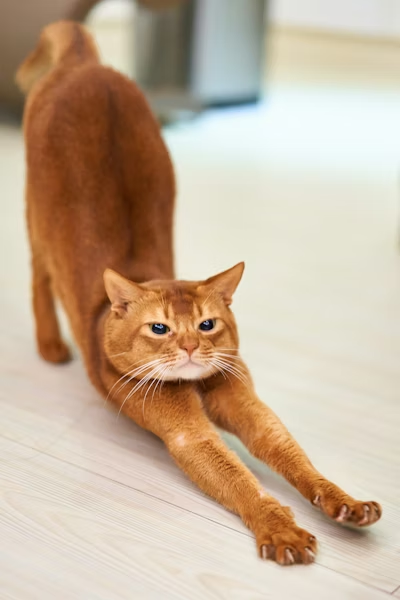
Why Cats Scratch
Scratching serves several essential purposes for your cat.
Physical Need
Claw Maintenance
Scratching removes the dead outer layer of claws, keeping them sharp and healthy. It is not destructive behavior - it is grooming. Trying to stop it entirely will only create stress. For a simple at-home routine, see our cat grooming routine.
Communication
Territory Marking
Cats have scent glands in their paws. Scratching leaves both a visual mark and a scent signal. In a single-cat apartment this is less urgent, but the instinct remains strong.
Physical Health
Full-Body Stretch
A long scratch on a tall post lets cats extend their spine, shoulders, and forelimbs fully. This is especially important for indoor cats who cannot climb trees.
Choosing the Right Scratch Post
Most scratching problems come from posts that do not suit the cat. For owners wondering How to stop cat from scratching couch, picking a suitable scratcher is the foundational step. Many people Google what to do if cat scratches couch, yet they overlook this simple, game-changing preparation work. The right post needs to match what your cat actually wants to scratch. Pair this with daily play routines to lower boredom-driven scratching.
Observe where your cat already scratches. Vertical surfaces like sofa arms suggest a tall upright post. Horizontal scratching on rugs suggests a flat or angled scratcher on the floor.
Material matters too. Sisal rope is the most durable and satisfying for most cats. Cardboard is popular and inexpensive. Carpet-covered posts are less ideal since they can confuse boundaries between the post and your carpet.
- Height: tall enough for a full stretch, at least 60-70 cm for most cats
- Stability: wobbly posts get abandoned quickly - weight the base or wall-mount
- Material: sisal rope or cardboard over carpet or smooth wood
- Placement: near where your cat already scratches, not hidden in a corner
- Quantity: one post per cat, placed in areas the cat uses regularly
- Horizontal options: flat cardboard pads work well for some cats
Redirecting Without Conflict
Furniture scratching is almost always redirectable with patience and placement. If you're learning how to keep cat off furniture scratching, these gentle redirection tactics are the core of long-term success. If behavior changes come with sneezing or watery eyes, see can cats get colds.
Place posts next to problem spots
Put a scratch post directly beside the sofa arm or corner your cat targets. Once your cat uses the post consistently, you can gradually move it a few centimetres per day toward a preferred location.
Use positive reinforcement
When your cat uses the post, reward with a treat or calm praise immediately. Never shout or spray water - this creates anxiety without teaching anything useful. If you need more enrichment ideas, try setting up a cozy window spot for safe bird-watching.
Make furniture less appealing
Double-sided tape, aluminium foil, or furniture covers on targeted areas discourage scratching there temporarily. Remove them once the post habit is established. You can also review our cat care basics for more home setup tips.
Trim claws regularly
Short claws cause less damage and make scratching less satisfying on upholstery. Trim every two to three weeks, or ask your vet to show you the correct technique the first time. If your cat is avoiding the litter box after a painful trim or stress, see why cats pee on beds for causes and prevention.
What Not to Do
Common mistakes that make scratching problems worse.
Do not declaw
Declawing is an amputation of the last bone of each toe. It causes lasting pain, changes a cat's gait, and often leads to biting and litter box avoidance. It is banned in many countries and strongly discouraged by veterinary associations worldwide.
Do not punish after the fact
Cats do not connect punishment to past actions. Scolding a cat after it scratched the sofa an hour ago achieves nothing except making the cat wary of you. Redirect in the moment, calmly, every time.