
Cat Care Hub
Simple Cat Care Tips for a Healthier, Happier Indoor Cat
Cat Care is our main hub for indoor cat wellness in a studio apartment, rental apartment, or any small home. Here you will find practical guidance on feeding, behavior, health checks, grooming, and home setup—written for people who share limited square footage with a curious cat. Start with Behavior, Food, or Health below, or jump into daily care guides. For fun facts and breeds, explore Discover.
Explore Cat Behavior
Why Apartment Cat Care Is Different
Indoor cats in compact homes face a different set of challenges than outdoor or house cats with large yards. Less room to roam means energy must be burned through short play sessions, climbing, and window watching. Lower activity also means calories add up faster, so portions and treat habits matter more.
Shared walls and rental rules raise the stakes too. Scratching, litter odors, and pee accidents are not just messy—they can affect neighbors and deposits. A clear care routine helps your cat stay healthy and keeps your living space livable.
What This Hub Covers
Use the topic hubs for deep dives, then open the daily guides for step-by-step setup and cleanup. Together they form a complete path from everyday feeding to breed-specific needs.
- Nutrition and safe human-food questions
- Common indoor behaviors and how to redirect them
- Symptoms that need a closer look or a vet visit
- Grooming, window enrichment, and odor cleanup
- Apartment-friendly breed overviews
Care Topic Hubs
Three pillars of daily apartment cat care. Each hub links to focused guides you can read in one sitting.

Nutrition
What Can Cats Eat?
Balanced feeding, portion control, and hydration tips for indoor cats that don't burn as many calories. Also covers common human foods that are safe—or toxic—in small kitchens.

Behavior
Cat Behavior Explained
Understand what your cat is communicating and how to respond to common indoor patterns—scratching, window watching, litter issues, and bonding with shy cats.
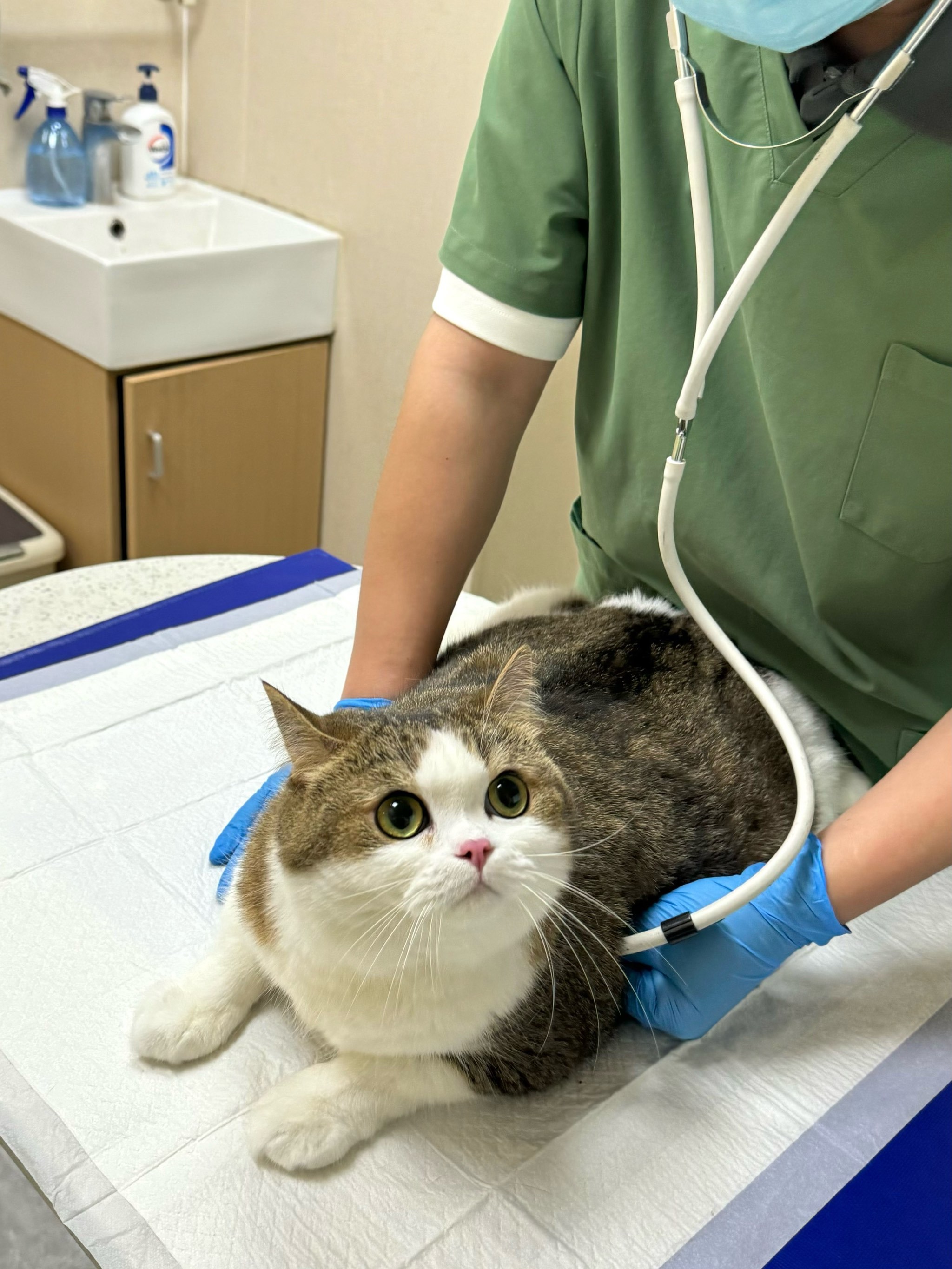
Health
Common Cat Symptoms
Know the warning signs and common conditions that affect apartment cats so you can act early—without panicking over every sneeze or soft stool.
Daily Care Guides
Hands-on routines for grooming, enrichment, and cleanup when space is tight and every stain matters. These guides are written for real apartments: washable mats, wall-mounted perches, enzymatic cleaners, and short sessions that fit weeknight schedules. Start with one habit, then stack the rest.

Grooming
How to Groom Your Cat
A simple weekly brushing, claw, and ear-check routine that keeps indoor cats comfortable and healthy—and cuts down on hairballs in shared living spaces.

Home Setup
Build a Window Spot Cats Love
Turn a sunny window into safe visual enrichment that reduces boredom in small apartments, studios, and high-rises.
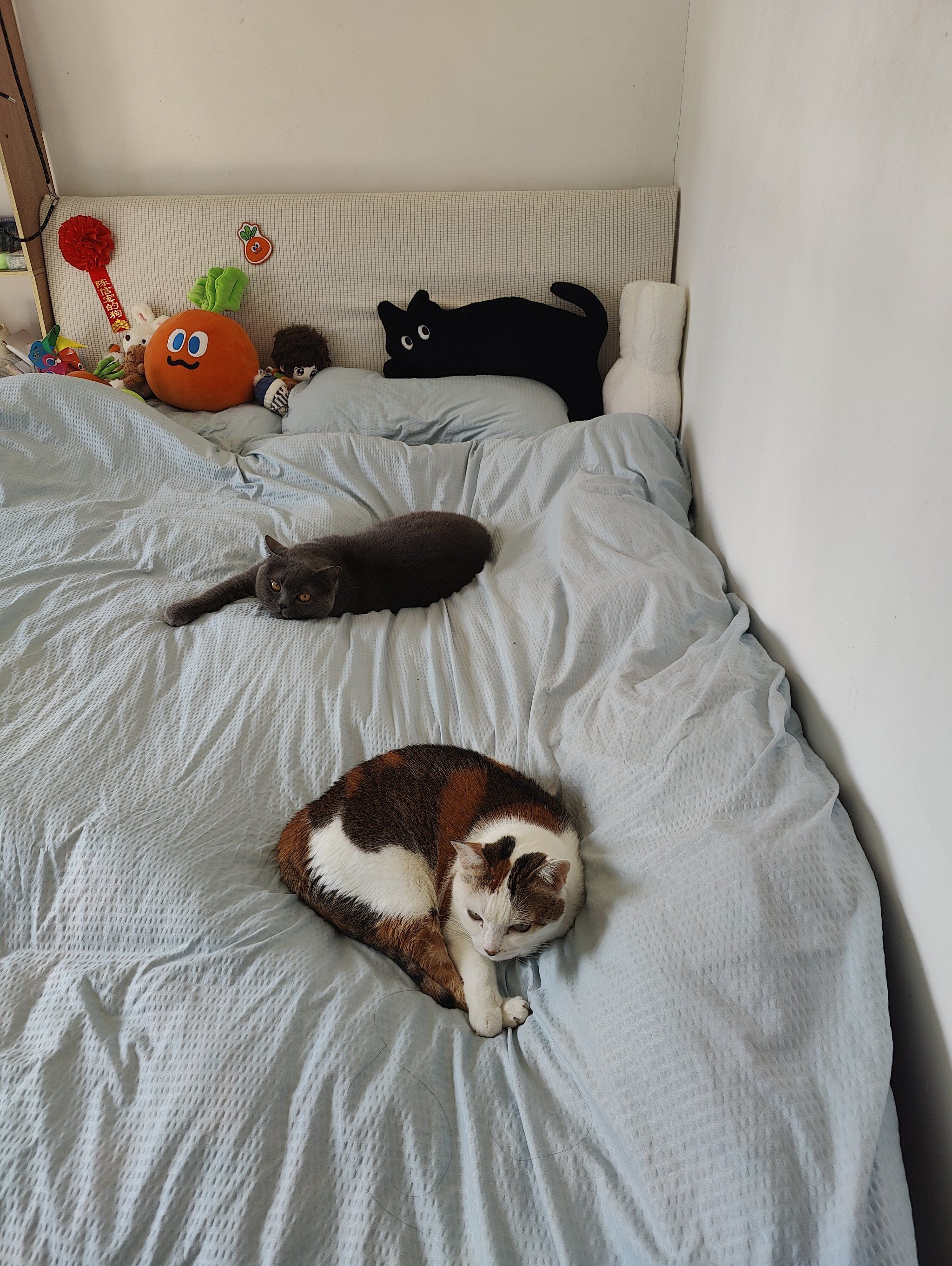
Cleanup
Get Rid of Cat Pee Smell
Step-by-step odor removal for beds, floors, and fabric so accidents do not keep coming back—or costing you a rental deposit.
Building a Daily Routine
Cats thrive on predictability. A consistent daily schedule reduces stress, supports digestion, and keeps behavior stable in a small space. You do not need hours of free time—short, repeated habits work better than occasional long play marathons.
Even 30 minutes of structured interaction each day makes a measurable difference in energy level, mood, and sleep quality. Pair meals with play, keep the litter box clean, and leave a safe window perch for quiet enrichment when you are out.
If something suddenly changes—appetite, litter habits, or energy—check our Common Cat Symptoms guide before assuming it is “just behavior.”
- Feed at the same two times every day
- 10-15 minutes of active play in the morning or evening
- Clean the litter box once or twice daily
- Weekly brushing and claw checks
- Monthly weight check and body condition review
- Annual vet visit with vaccination updates
Breed Guides
Not all cats have the same needs. Explore breeds that settle well into quiet apartments and compact routines.

Cat Breeds A-Z
Ragdoll
Affectionate and social. Great for families and owners who are home regularly and can offer calm companionship.
Cat Breeds A-Z
British Shorthair
Calm and independent. One of the easiest breeds to care for in a compact home with a steady routine.

Cat Breeds A-Z
All Breeds
Browse our full breed guide to find the right match for your lifestyle and living space.