
Cat Breeds A-Z
What is the typical British Shorthair personality like?
Discover why British Shorthairs are one of the best indoor cats for a small apartment or studio apartment: relaxed nature, minimal grooming, and a stunning range of coat colors.
Overview
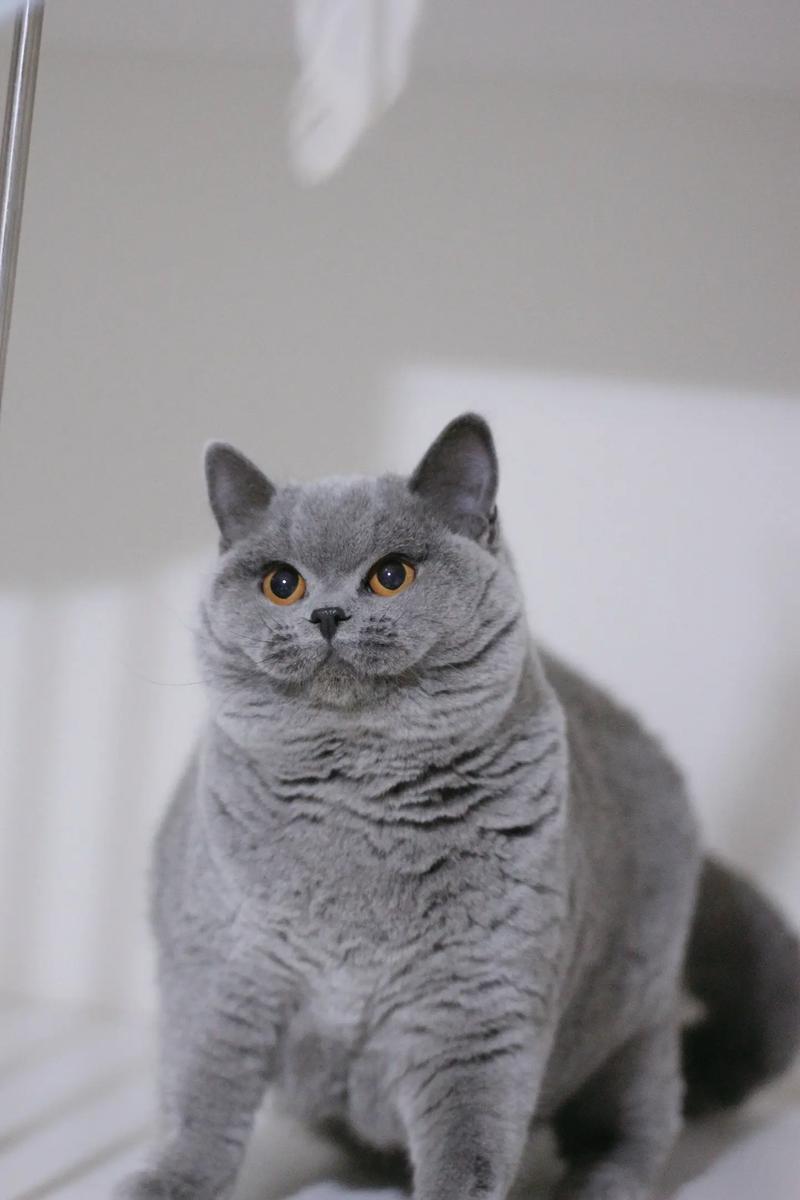
The British Shorthair is a sturdy, muscular cat with a round face and dense coat. This breed is known for its plush appearance, steady personality that make it so well-suited to indoor life. Its reliable temperament allows it to settle comfortably into any home environment.
Do British Shorthairs have a calm temperament?
British Shorthairs' temperament is famously calm, easygoing, and affectionate. They are gentle, quiet, and not overly demanding, which perfectly defines the typical British Shorthair personality.
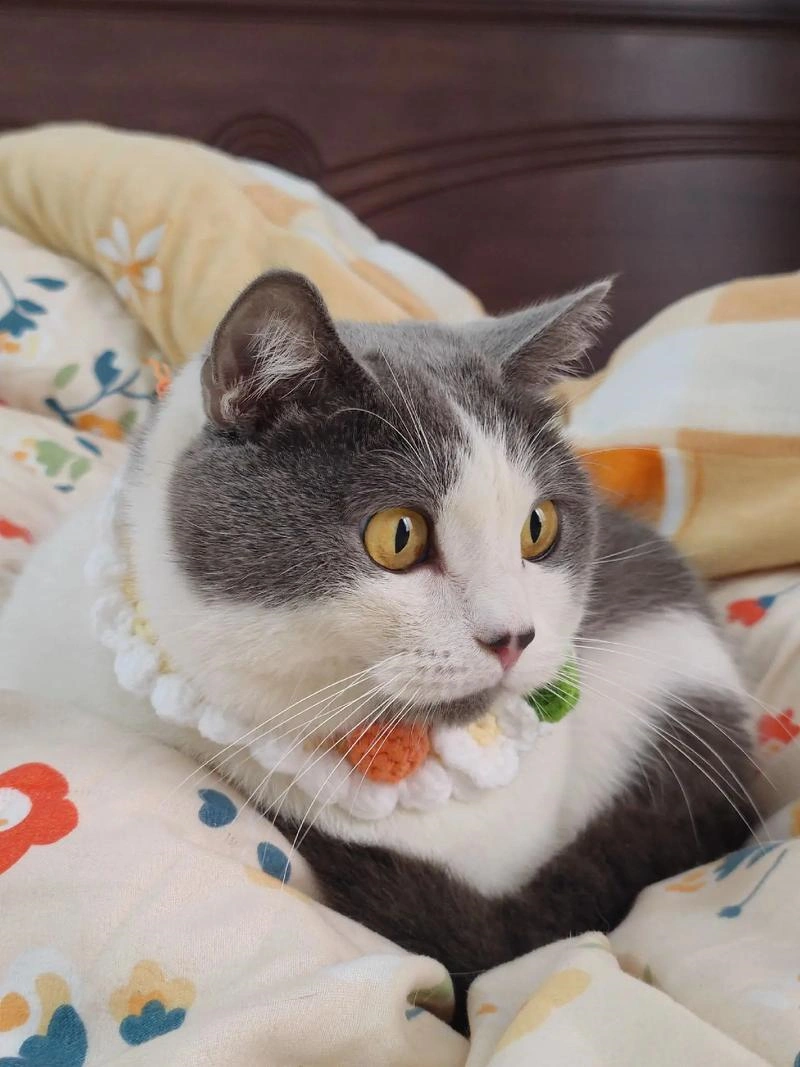
While they enjoy human company, they are also independent and happy to amuse themselves when left alone. Their relaxed, stable nature and patient demeanor make them one of the most well-loved cat breeds for home and apartment living.
From our home: Our 7-year-old British Blue, Anna, rarely meows for attention. She prefers to sit nearby while we work, then claim a quiet corner when she wants space. That steady, low-drama temperament is exactly why this breed suits apartment life so well.
Colors of British Shorthair Cats
British Shorthair cats come in a wide range of beautiful coat colors and patterns. The most well-known is the classic British Blue, with its dense blue-gray fur and bright copper eyes. Our own cat, Anna, is this classic blue type—plush gray-blue coat, round face, and warm copper eyes. Other popular solid colors include white, black, rich chocolate, soft lilac, warm red, and pale cream.
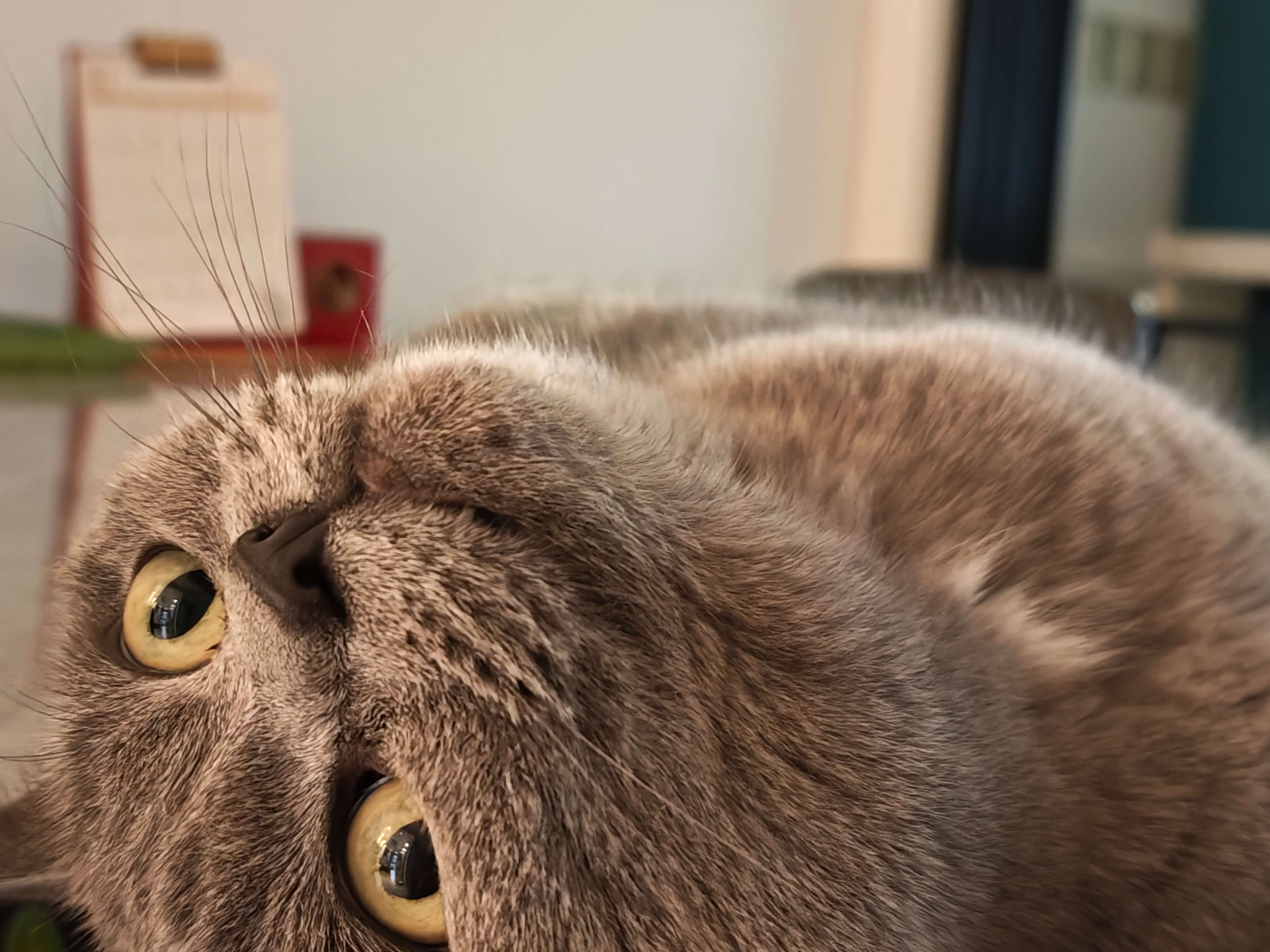
Many British Shorthairs also display attractive patterns such as tabby, bicolor, tricolor, smoke, and shaded silver or golden. Each color highlights the breed's thick, plush coat and round, gentle appearance, making them one of the most visually varied and beloved cat breeds. Their short coat is one of British Shorthairs' most recognizable characteristics.
Origin: United Kingdom
Weight: 7-17 lbs
Lifespan: 12-17 years
British Shorthair Personality: Calm, affectionate, independent
Why They're Perfect for Apartments
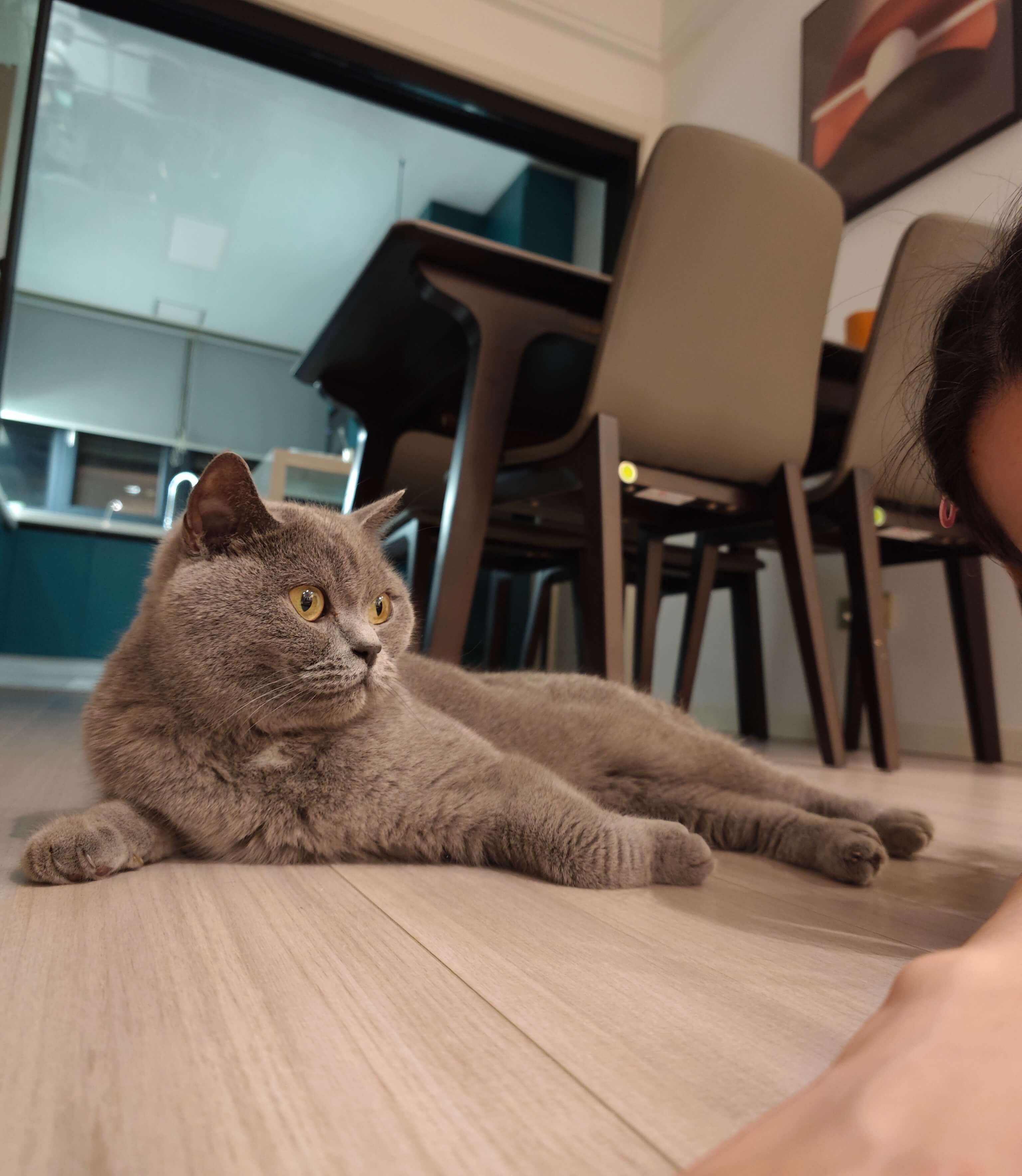
Low Energy Levels
British Shorthairs are content to lounge and observe their surroundings. Their laid-back personality means they don't require extensive playtime or constant stimulation, making them ideal for busy owners.
Minimal Grooming
Their short, dense coat requires only weekly brushing. No daily grooming sessions needed, which is perfect for apartment dwellers with limited space.
Quiet and Calm
They're not vocal cats and prefer a stable, predictable routine. British Shorthairs' peaceful temperament ensures neighbors won't hear excessive meowing or loud play sessions.
Independent Nature
While affectionate, they don't demand constant interaction. They enjoy their own space and are comfortable being alone during work hours.
Living With a 7-Year-Old British Blue: What We've Learned
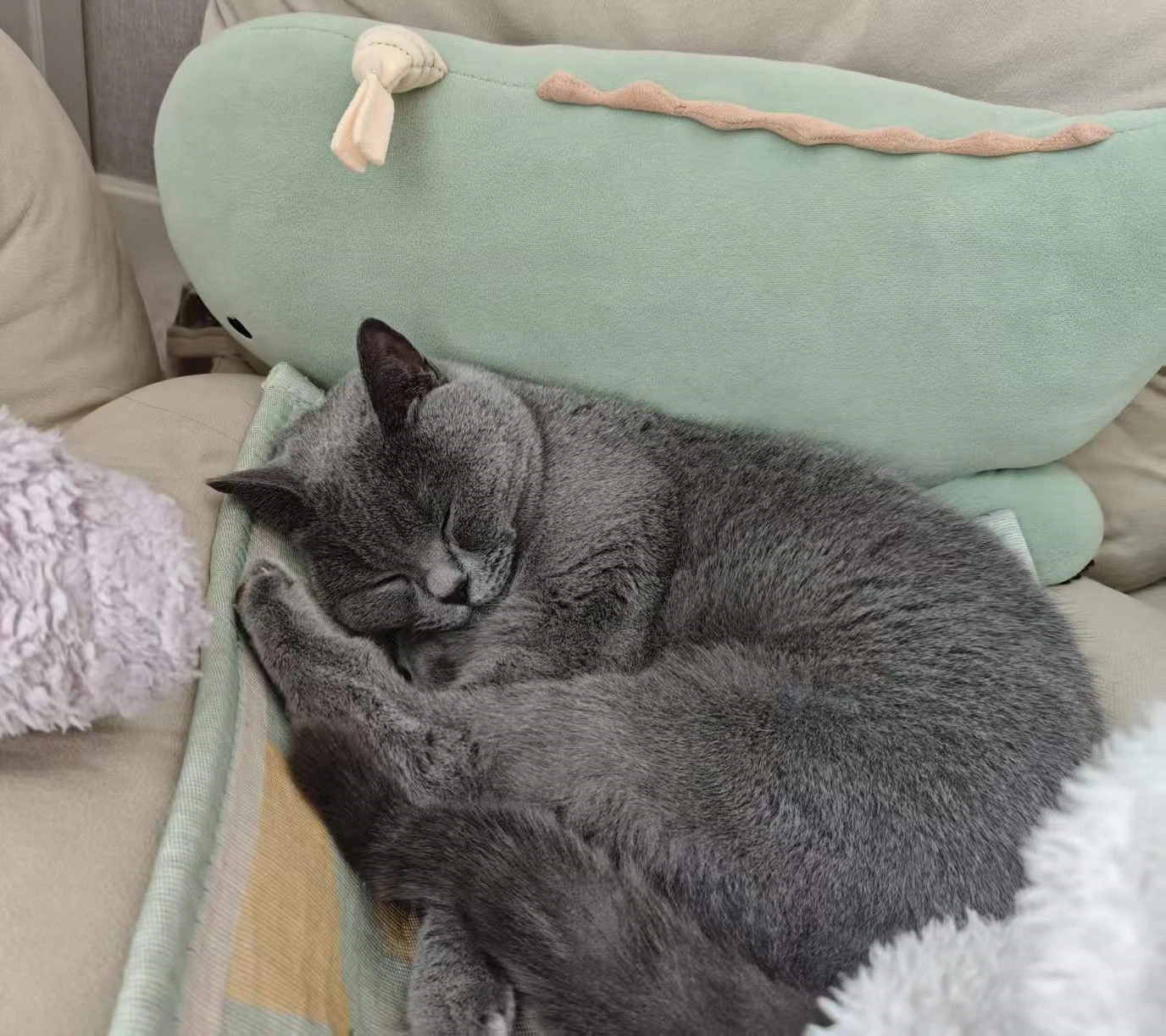
This page is written from real apartment life with Anna, our 7-year-old British Shorthair blue cat in Wuxi. After years with her, a few patterns stand out more clearly than any breed checklist:
- Routine beats novelty. Anna thrives on the same feeding times, the same resting spots, and the same evening wind-down. Sudden schedule changes make her unsettled more than loud toys ever could.
- Affection is quiet and chosen. She is not a lap-shadow cat. She shows love by sitting close, slow-blinking, or following us into a room—then leaving when she is done. Pushing cuddles usually ends the moment early.
- Weight needs active management by mid-life. At seven, her appetite is still strong, but her activity is lower than in her younger years. Measured portions and short daily play matter more now than when she was two or three.
- A window perch is her favorite enrichment. Watching the street or courtyard keeps her entertained for long stretches. In a compact home, that single perch does more for her mood than a pile of unused toys.
- Grooming is easy—until seasonal shedding. One weekly brush is enough most of the year. During coat changes, a few extra sessions keep loose fur off the sofa and reduce hairballs.
If you want a British Shorthair for apartment living, expect a calm roommate more than a constant entertainer. With Anna, the biggest daily win has been protecting her quiet rhythm: predictable meals, a soft bed, a window view, and no pressure to perform.
Care Tips for Families With A British Shorthair
- Provide a comfortable resting spot: A soft bed or cushion in a quiet corner is ideal. Anna rotates between a chair and a floor cushion near us—soft and draft-free matters more than an expensive cat tree.
- Regular play sessions: Even though they're low energy, 10-15 minutes of play daily keeps them healthy and supports British Shorthairs' easygoing personality. With Anna, a short wand-toy session before dinner is enough to stretch her and keep weight more stable.
- Window access: They enjoy watching the world outside; a safe window perch is appreciated.
- Consistent feeding schedule: British Shorthairs thrive on routine; feed at the same times daily. Two measured meals work better for Anna than free-feeding, especially at seven years old.
- Monitor weight: They can be prone to obesity; measure portions carefully. Check the waistline monthly—British Blues can look “plush” even when they are carrying extra weight.
Health Considerations
British Shorthairs are generally healthy, but watch for:
- Hypertrophic cardiomyopathy (heart condition)
- Polycystic kidney disease
- Obesity-related issues
Regular vet checkups and a balanced diet help prevent these issues. With Anna, annual checkups plus keeping her weight steady have been our two non-negotiables as she entered mid-life.
FAQ - About British Shorthair
Are British Shorthair cats hypoallergenic?
No, British Shorthairs are not hypoallergenic. They produce the Fel d 1 protein in saliva and dander, which can trigger allergies in sensitive people.
How often should I feed my British Shorthair cat?
Adult British Shorthairs usually thrive on two meals per day. Kittens under six months need 3-4 small daily meals. Monitor their weight, as this breed is prone to obesity.
How much does a British Shorthair cat cost?
In the UK
Pet-quality from reputable breeders: £800-£1,500
Show/breeding quality: £1,500+
In the US
Pet-quality from reputable breeders: $1,200-$2,500
Show/rare colors: $2,500-$3,500+
In China
Standard pet quality (without pedigree): ¥800-¥2,000 (≈$110-$280)
Pedigree/CFA-registered (reliable breeders): ¥3,000-¥6,000 (≈$420-$840)
Show/rare colors: ¥6,000+
Prices vary widely based on breeder, pedigree, health checks, location, and whether the cat is
neutered.
Do British Shorthair cats shed a lot?
They shed moderately, especially during seasonal changes. Weekly brushing helps control loose fur, and they are not heavy shedders compared to long-haired breeds.
Related Breeds
Explore three other apartment-friendly cat breeds.
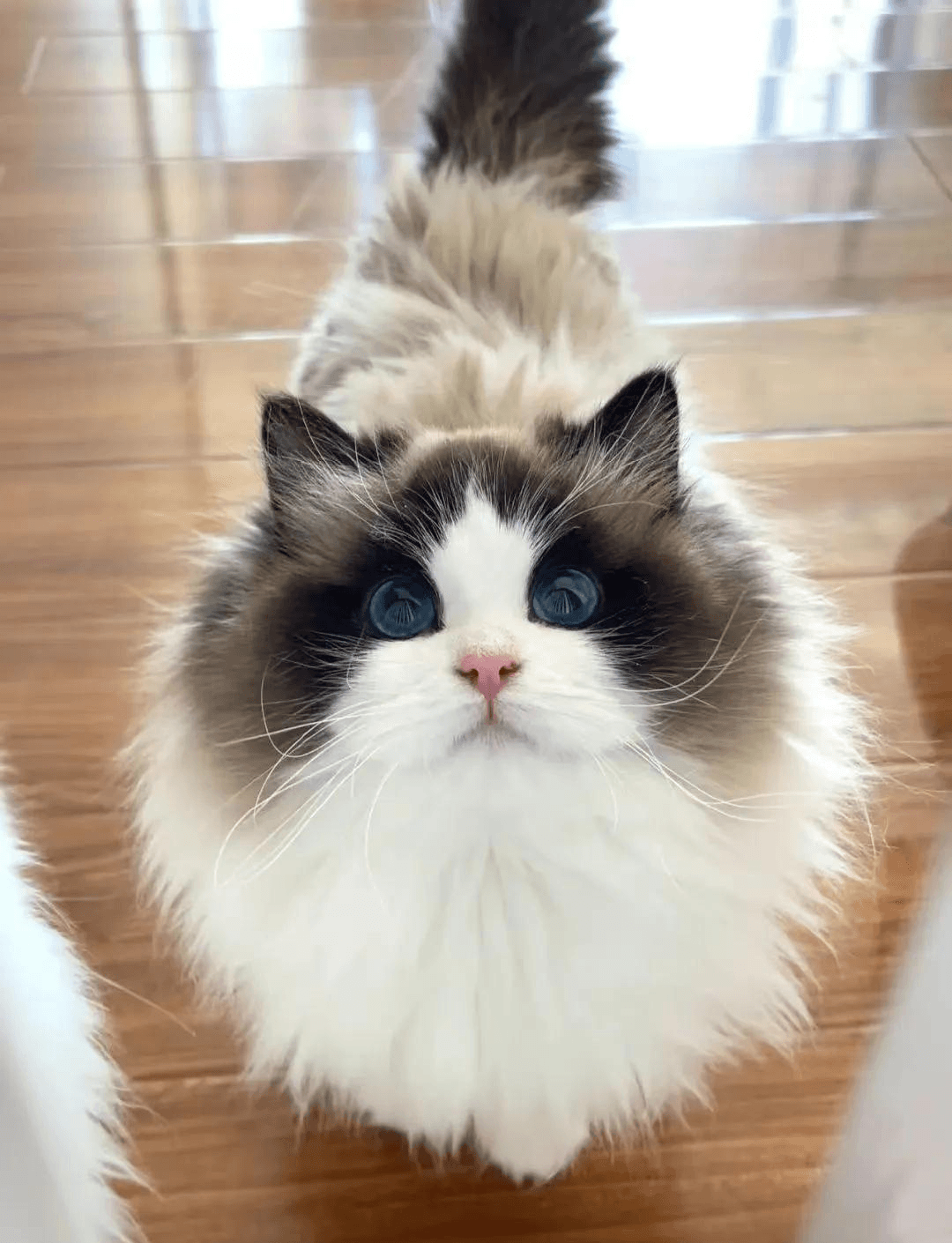
Affectionate
Ragdoll
Gentle and social. A relaxed breed that adapts beautifully to indoor life.
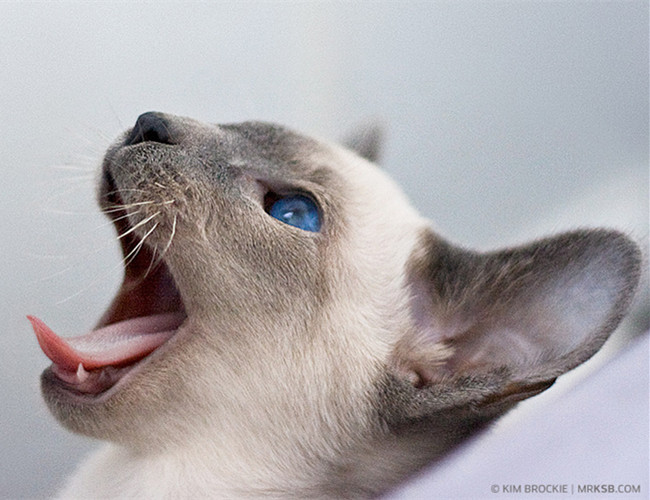
Social
Siamese
Smart, vocal, and deeply bonded to people. Great if you want a more interactive companion.
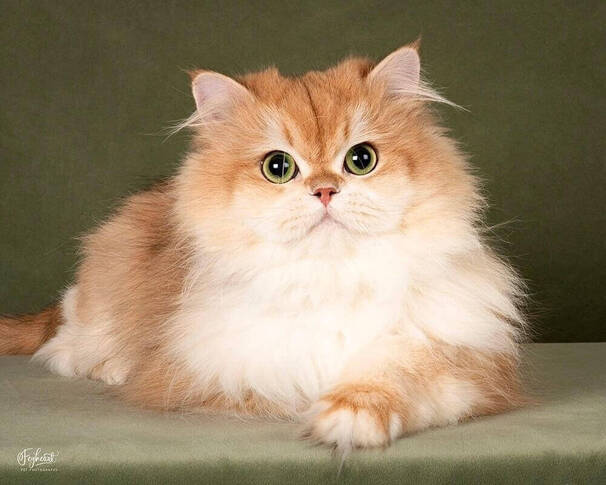
Fluffy
British Longhair
The long-coated cousin of the British Shorthair—calm, plush, and apartment-friendly.
Keep Reading
Related guides to help you go further.