
Cat Behavior
Why Does My Cat Pee on My Bed? Common Reasons and How to Stop It
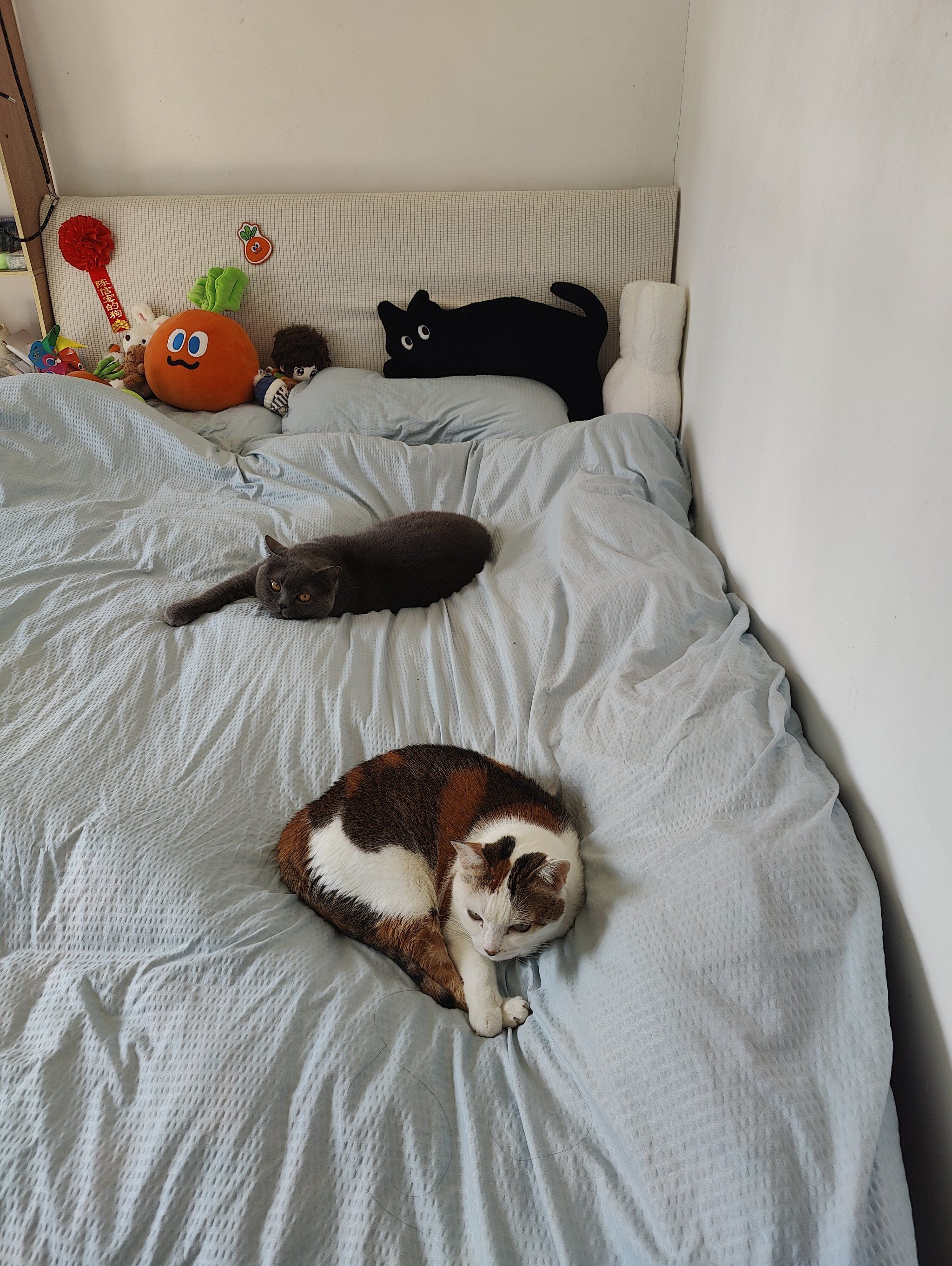
You love your cat. You love your bed. But when the two combine in the wrong way, it can feel personal—like your cat is angry with you or trying to send a message.
Here’s the truth: Your cat is not being spiteful.
When a cat urinates outside the litter box—especially on soft surfaces like your bed—it’s usually a sign that something is wrong. Cats are naturally clean animals. If they’re avoiding their litter box, they’re trying to tell you something.
If you’re asking, “why is my cat peeing on my bed?” you’re not alone. In most cases, the answer is stress, litter box trouble, lingering odor, or an underlying medical issue.
Let’s figure out what that message is, and how to clean the bed well enough that the smell doesn’t keep pulling your cat back. If you enjoy quick cat facts and breed insights too, explore Discover.
First: Rule Out a Medical Problem
Before you do anything else, schedule a vet visit.
Urinating outside the litter box is often the first sign of a medical issue. Cats are experts at hiding pain, but changes in bathroom behavior are one of the few clues they give us. If you notice other common cat health symptoms, don’t wait too long to schedule a vet visit.
Common Medical Causes
| Condition | What It Is |
|---|---|
| Urinary Tract Infection (UTI) | Bacterial infection causing pain and frequent urination |
| Feline Idiopathic Cystitis (FIC) | Bladder inflammation, often stress-related |
| Bladder Stones or Crystals | Can cause blockage (emergency!), pain, and accidents |
| Kidney Disease | Increased thirst and urination; common in older cats |
| Diabetes | Increased thirst and urination |
| Arthritis | Pain makes it hard to climb into the litter box |
Emergency: If your cat is straining to urinate, crying, or producing only small drops—this is an emergency. Male cats are especially prone to urinary blockages, which can be fatal within 24–48 hours.
Once medical causes are ruled out, you can turn your attention to cat behavior explained patterns like stress, territorial marking, litter box avoidance, and scent memory.
7 Common Reasons Cats Pee on Beds
1. Stress or Anxiety
Cats are creatures of habit. Any change in their environment can trigger stress—and stress often shows up as inappropriate urination.
- Moving to a new home
- New family member (baby, partner, roommate)
- New pet (cat, dog, or other animal)
- Construction or loud noises
- Changes in your work schedule
- Visitors or parties
Your bed smells strongly of you. When a cat is stressed, they may seek comfort in your scent—and sometimes that comfort comes with peeing. If stress is part of the problem, it helps to help a stressed or shy cat feel safer before the habit gets worse.
2. Litter Box Issues
Your cat isn’t being picky to annoy you. They have genuine preferences.
- Dirty box — Scoop daily. If it’s not clean enough for you, it’s not clean enough for them.
- Wrong litter — Some cats prefer unscented, fine-textured litter. Experiment.
- Wrong box type — Hooded boxes trap odors; some cats feel trapped. Large, uncovered boxes are often preferred.
- Location — In a noisy area? Near a scary appliance (washer/dryer)? Hard to access?
3. Territorial Insecurity
Cats mark territory when they feel threatened. Your bed is the most “you”-scented spot in the house. By marking it, your cat may be:
- Reacting to a neighborhood cat visible through a window
- Adjusting to a new pet in the home
- Feeling insecure about their place in the social hierarchy
This isn’t aggression—it’s insecurity.
4. Pain or Discomfort
If your cat has arthritis, climbing into a litter box with high sides can be painful. Your bed, on the other hand, is soft and easy to access.
- Dental pain (unlikely to cause peeing, but chronic pain overall can increase stress)
- Post-surgery discomfort
- Any chronic condition that makes movement difficult
5. Substrate Preference
Some cats develop a preference for soft surfaces. If your cat started peeing on a blanket or laundry pile and discovered it felt nice under their paws, your bed is a natural next step.
- Were declawed (sensitive paws)
- Have had painful litter box experiences
- Were weaned too early
6. Inappropriate Location Memory
Once a cat pees on a bed—or any soft surface—the scent can linger even after cleaning. To a cat, that spot now smells like “bathroom.”
This is why proper cleaning (see below) is critical. If it still smells like urine to them, they’ll keep returning.
7. Aging or Cognitive Decline
Senior cats (over 10–12 years) may develop cognitive dysfunction syndrome—similar to dementia in humans. They may forget where the litter box is, or forget what it’s for.
- Disorientation (getting stuck in corners)
- Wandering or pacing at night
- Changes in sleep-wake cycles
Step-by-Step: How to Stop the Behavior
If your cat keeps peeing on your bed and you’re wondering how to stop your cat from peeing on your bed, start with three things: rule out medical problems, remove the urine smell completely, and make the litter box and bedroom setup less stressful.
Step 1: Clean Thoroughly — Really Thoroughly
Regular household cleaners won’t remove urine enzymes. To a cat, “clean” means no detectable scent.
Cat urine contains uric acid crystals that cling to mattress fibers, sheets, blankets, and even the deeper layers of padding. That’s why the smell often seems gone at first, then comes back when the room gets warm or humid.
- Use an enzymatic cleaner specifically designed for pet urine (like Nature’s Miracle, Rocco & Roxie, or similar)
- Soak the area thoroughly. Enzymatic cleaners need to saturate the spot to work.
- Let it air dry. Heat (like a dryer) can set the stain before enzymes finish working.
- For mattresses: remove bedding first, treat the mattress itself, and consider a waterproof mattress protector afterward.
Do NOT use: ammonia-based cleaners (smells like urine to cats), vinegar alone (doesn’t eliminate enzymes), or steam cleaners before enzyme treatment (heat sets the stain).
How to Get Rid of Cat Pee Smell From a Bed and Mattress
If the biggest issue now is the lingering smell, this sequence helps remove the odor and makes the bed less likely to become a repeat target:
- Strip the bed immediately and wash sheets, pillowcases, and blankets separately.
- Blot, don’t scrub, to lift as much liquid as possible from the mattress.
- Apply an enzymatic cleaner generously and let it sit for the full label time.
- Air dry completely before putting bedding back on.
- Use baking soda after the enzyme step for extra odor absorption, then vacuum once dry.
For old or repeated accidents, repeat the enzyme treatment. The goal is not just to make the bed smell better to you, but to remove the scent marker your cat can still detect. For a deeper cleaning walkthrough, read our guide on how to get rid of cat pee smell.
What to Wash and What to Replace
- Usually washable: sheets, duvet covers, blankets, many pillow covers.
- Needs spot treatment: mattresses, upholstered headboards, fabric bed frames.
- May be worth replacing: heavily soaked foam pillows, old mattress toppers, or anything that still smells after repeated cleaning.
If the odor has soaked deep into foam, replacement is sometimes more realistic than repeated treatment.
Step 2: Make the Bed Unappealing
- Close the bedroom door when you’re not in the room
- Use a waterproof mattress cover (essential for protection)
- Remove soft bedding during the day
- Place a litter box temporarily in the bedroom (move it gradually later)
Step 3: Address the Litter Box
- Number of boxes: One per cat, plus one extra.
- Location: Quiet, low-traffic, away from food and water.
- Cleanliness: Scoop daily. Full change and wash with unscented soap weekly.
- Type: Large, uncovered box. Start with unscented, clumping clay litter—the most universally accepted option.
Step 4: Reduce Stress
- Create safe spaces: High perches, hiding spots, cat trees. Vertical space helps cats feel secure.
- Use synthetic pheromones: Feliway diffusers or sprays can reduce stress-related marking.
- Maintain routine: Feed, play, and clean litter at consistent times.
- Provide enrichment: Puzzle feeders, window perches, interactive play, and ideas like build a window spot cats love.
Step 5: Block Visual Access to Outdoor Cats
- Use privacy film on windows (opaque but lets light in)
- Close blinds or curtains when you’re away
- Block the bottom of doors so no pawing or scent-marking under the door
Step 6: Consider Medication (With Your Vet)
For cats with severe anxiety or cognitive decline, medication or supplements may help:
- Prescription anti-anxiety medications (like fluoxetine)
- Supplements (L-theanine, alpha-casozepine — ask your vet)
- Prescription diets for stress-related urinary issues (like Hill’s c/d Stress or Royal Canin Calm)
Never give your cat human medication.
Natural Remedies: What Helps and What Doesn’t
Natural options can help with mild odor, but they work best as supporting steps, not as a full replacement for enzyme cleaners.
- Baking soda: Good for odor absorption after the area is treated and drying.
- White vinegar: Can help neutralize some odor, but it does not break down uric acid as effectively as an enzymatic cleaner.
- Hydrogen peroxide: Sometimes useful on color-safe surfaces, but always spot test first.
If your cat keeps returning to the bed, assume the odor is still present and move back to a proper enzyme product.
What Not to Do
| Don’t | Why |
|---|---|
| Yell or punish | Punishment increases stress and damages trust. Cats don’t connect punishment with the act—they just learn to fear you. |
| Rub their nose in it | Cruel and ineffective. This only teaches your cat to fear and avoid you. |
| Confine them to a small space | Can increase stress and make the behavior worse. |
| Ignore the smell | If the odor remains, the bed can become a repeat target even when the original cause is improving. |
When to Call Your Vet
- The behavior started suddenly
- Your cat is straining, crying, or producing little urine
- There’s blood in the urine
- Your cat is acting lethargic, hiding, or not eating
- Your cat is a senior or has a history of urinary issues
For male cats, straining to urinate is always a potential emergency. A urinary blockage can be fatal within 24 hours.
FAQ
Why is my cat peeing on my bed all of a sudden?
Sudden bed-peeing usually points to a medical issue, a stressful change at home, or a litter box problem. If the behavior is new, start with a vet visit before assuming it is purely behavioral.
Why does my cat keep peeing on my bed after I clean it?
If your cat keeps returning to the same spot, they may still smell urine even when you can’t. Beds and mattresses hold odor deep in the fabric, so enzymatic cleaning and complete drying are essential.
How do I stop my cat from peeing on my bed permanently?
The most effective approach is to treat the cause and the smell at the same time: rule out health problems, improve litter box setup, reduce stress, and fully remove odor from bedding and the mattress.
Why is my cat peeing on the dog bed?
Cats frequently pee on dog beds because of stress, territorial marking, litter box problems, or scent competition between household pets. Dog beds hold strong foreign animal odors and feature soft, highly absorbent fabric in a low, cozy layout—all of which can attract cats to urinate there. This habit may also point to underlying anxiety, urinary tract issues, or dissatisfaction with litter box hygiene and placement.
The Bottom Line
When your cat pees on your bed, it’s not revenge. It’s a cry for help.
The most common causes are medical issues (start with a vet visit), stress or anxiety, and litter box problems. Be patient. Most cases resolve with a clean bill of health from your vet, thorough enzymatic cleaning, and simple environmental changes.
Your cat isn’t trying to ruin your sleep. They’re trying to tell you something. Listen with curiosity, not frustration.
Sources
- ASPCA Animal Poison Control Center. Urine Marking in Cats. https://www.aspca.org/pet-care/cat-care/common-cat-behavior-issues/urine-marking-cats
- Cornell University College of Veterinary Medicine. Feline Behavior Problems: House Soiling. https://www.vet.cornell.edu/...
- International Cat Care. Urine Marking in Cats. https://icatcare.org/advice/urine-marking-in-cats/
- Journal of Feline Medicine and Surgery. Feline idiopathic cystitis: current understanding and management. 2022.
This article is for informational purposes only and is not a substitute for professional veterinary advice. If your cat is showing signs of illness or distress, contact your veterinarian immediately.