Cat Breeds A-Z
Ragdoll Cat: Personality, Care & Complete Guide
Learn about Ragdoll cat personality, care needs, health problems, and why this gentle breed is one of the best cats for apartment living.
Ragdoll Cat Overview
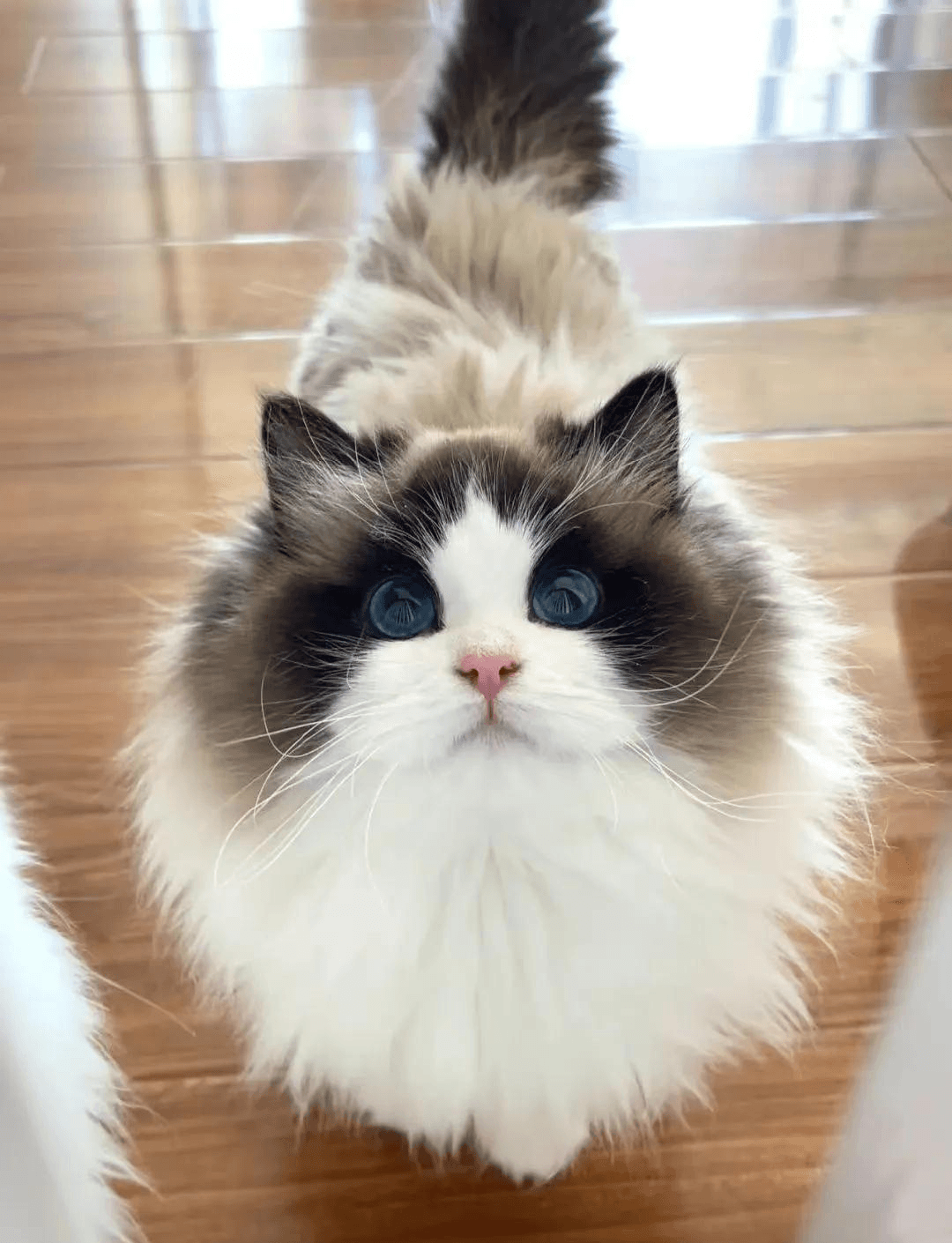
Ragdolls are large, semi-long-haired cats known for their striking blue almond-shaped eyes and color-point pattern. They're often called "puppy cats" because of their dog-like loyalty and tendency to follow their owners around.
Origin: United States (1960s)
Weight: 10-20 lbs
Lifespan: 12-17 years
Temperament: Gentle, affectionate, social, intelligent
Why Ragdoll Cats Are Good for Apartments
Affectionate and Social
Ragdolls love being around people and are happy to spend time with family members. They're ideal for households where someone is home regularly.
Calm and Relaxed
They have a laid-back personality and adapt well to apartment living. They're not overly active or destructive.
Intelligent and Trainable
Ragdolls can learn to walk on a leash, play fetch, and respond to commands. This makes them engaging companions in smaller spaces.
Quiet Companion Cats
While they communicate with soft chirps and meows, they're not excessively vocal. They're considerate neighbors.
Ragdoll Cat Care Tips for Apartment Living
- Regular grooming: Their semi-long coat needs brushing 3-4 times per week to prevent matting.
- Interactive play: Spend 15-20 minutes daily playing with toys or a laser pointer.
- Vertical space: Provide cat trees or shelves for climbing and perching.
- Companionship: They thrive with human interaction; avoid leaving them alone for extended periods.
- Safe environment: Ensure windows are secure and provide a safe outdoor enclosure if possible.
Common Ragdoll Cat Health Problems
Ragdoll cats are usually healthy, but like many purebred cats, they can be more likely to develop certain conditions. Knowing the most common Ragdoll cat health problems can help owners spot symptoms early and choose better long-term care.
Hypertrophic Cardiomyopathy (HCM)
Hypertrophic cardiomyopathy, or HCM, is one of the best-known Ragdoll cat health problems. This heart disease causes the heart muscle to thicken and may run in the breed. If you are buying a kitten, ask the breeder for recent heart screening or echocardiogram results for both parents.
Urinary Tract Issues
Some Ragdolls may also be more sensitive to urinary problems, including bladder stones and FLUTD. Warning signs include straining in the litter box, frequent urination, or crying while peeing. Feeding wet food and encouraging daily water intake may help support urinary health.
Sensitive Stomachs
Sensitive digestion is another issue some owners notice. Loose stool, vomiting, and food intolerance can happen if the diet changes too quickly or does not suit the cat. A simple, consistent diet is often the best approach.
How to Keep a Ragdoll Healthy
- Choose a breeder that screens for HCM.
- Schedule annual vet visits for early detection.
- Feed moisture-rich food and gentle proteins.
With good preventive care, most Ragdoll cats live long, comfortable lives.
Ragdoll Cat FAQ
Are Ragdoll cats good for apartment living?
Yes. Ragdoll cats are calm, affectionate, and usually adapt well to apartment life as long as they have daily playtime, companionship, and enough indoor enrichment.
Do Ragdoll cats have a lot of health problems?
Ragdolls are generally healthy, but owners should still watch for HCM, urinary tract issues, and sensitive digestion. Regular vet care and a good diet can help lower these risks.
How often should you groom a Ragdoll cat?
Most Ragdoll cats need brushing about 3 to 4 times per week to help prevent tangles, loose fur buildup, and matting.
Are Ragdoll cats affectionate?
Yes. Ragdolls are known for being gentle, social, and people-oriented, which is why many owners consider them one of the most affectionate cat breeds.