
Cat Enrichment
What Kind of Music Do Cats Actually Like?
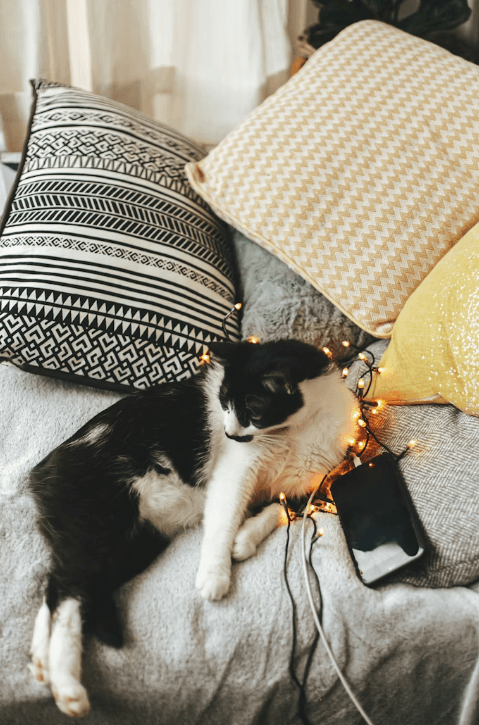
You’re relaxing with your favorite playlist. Your cat is in the same room. Do they enjoy it too?
Probably not.
Cats don’t hear music the way we do. Their ears are tuned to different frequencies, and most human music simply doesn’t register as “music” to them. If you’re looking for other low-effort ways to enrich an indoor cat’s day, try these 10-minute play routines.
But here’s the good news: Scientists have created music that cats actually like.
Do Cats Even Like Music?
Yes, but it has to be made for them.
In a 2015 study from the University of Wisconsin-Madison, researchers composed “species-appropriate” music for cats—songs that matched feline vocal ranges and tempos (frequencies and rhythms cats naturally use to communicate).
The results?
- Cats showed little to no interest in human music
- But they responded positively to cat-specific music—purring, rubbing against speakers, and turning toward the sound
So your cat isn’t ignoring your playlist. It just wasn’t made for them.
What Does Cat Music Sound Like?
Cat music is designed to appeal to feline ears. It typically includes:
| Element | Why It Works |
|---|---|
| Higher frequencies | Cats vocalize and hear in higher ranges than humans |
| Purring-like rhythms | Mimics the comforting sound of a content cat |
| Slower tempos | Matches resting heart rate and relaxed breathing |
| Staccato notes | Similar to bird chirps and natural prey sounds |
The result is often described as ethereal, swirly, and slightly hypnotic—not something you’d put on your own playlist, but something your cat might genuinely enjoy.
Where to Find Cat Music
A few artists and albums have gained recognition among cat owners and researchers:
| Artist / Source | What to Search |
|---|---|
| David Teie | “Music for Cats” — the composer behind the 2015 study. His album Music for Cats is the most scientifically-grounded option. |
| Spotify / YouTube | Search “cat calming music” or “music for cats anxiety” |
| RelaxMyCat | A popular app and YouTube channel with hours of cat-specific music |
Most of these are free to stream.
When to Use Music for Your Cat
Cat music isn’t just for fun—it can be a practical tool. If your cat reacts strongly to sound, it can also help to understand stress-related behavior patterns in our Cat Behavior Explained guide.
Good times to play cat music:
- During thunderstorms or fireworks
- When introducing a new pet or moving to a new home
- During car rides or vet visits
- To help a senior cat with nighttime restlessness
- Simply as background enrichment for indoor cats
Many owners report that their cats relax, close their eyes, or even fall asleep when cat-specific music is playing.
What About Classical Music?
Some classical music—especially slow, simple pieces—can have a calming effect on cats. A 2002 study found that cats under anesthesia remained more relaxed when listening to classical music compared to heavy metal or pop.
But classical music still isn’t “cat music.” It’s more like a neutral sound that’s less stressful than silence or sudden noise.
If you want to experiment:
- Try soft piano or harp
- Keep volume low
- Observe your cat’s body language (ears forward = interested; ears back or hiding = stressed)
Signs Your Cat Enjoys (or Doesn’t Enjoy) Music
| Positive Signs | Negative Signs |
|---|---|
| Purring | Hiding |
| Kneading or relaxing | Flattened ears |
| Rubbing against speakers | Agitated tail flicking |
| Turning head toward sound | Leaving the room |
| Slow blinking | Hissing or vocalizing |
Every cat is an individual. Some may love cat music; others may not care. Pay attention to your
cat’s cues.
I tried with my cat, and I think she likes light music with piano sound
because she slowly blinks when I play it to her. But she definitely doesn't like Pop music with cool
drum beats
as she always stays away from me when I play it loudly. Try with your cat and tell me what you find
out!
The Bottom Line
Your cat doesn’t dislike music—they just prefer music made for them.
If you want to create a calmer environment for your indoor cat:
For more apartment-friendly enrichment ideas (window time, routine, and setup), browse all articles.
- Try cat-specific music (David Teie’s Music for Cats is a great start)
- Keep volume low
- Use it during stressful events or as daily enrichment
A little purr-friendly background music might be the simple addition your cat has been waiting for.
Sources
- Snowdon CT, Teie D, Savage M. Cats prefer species-appropriate music. Applied Animal Behaviour Science. 2015;166:106-111.
- Wells DL, Graham L, Hepper PG. The influence of auditory stimulation on the behaviour of cats housed in a rescue shelter. Animal Welfare. 2002;11(3):285-293.
This article is for informational purposes only. If your cat shows signs of stress or illness, consult your veterinarian.