
Cat Health
Why Do Cats Farts Smell So Bad?
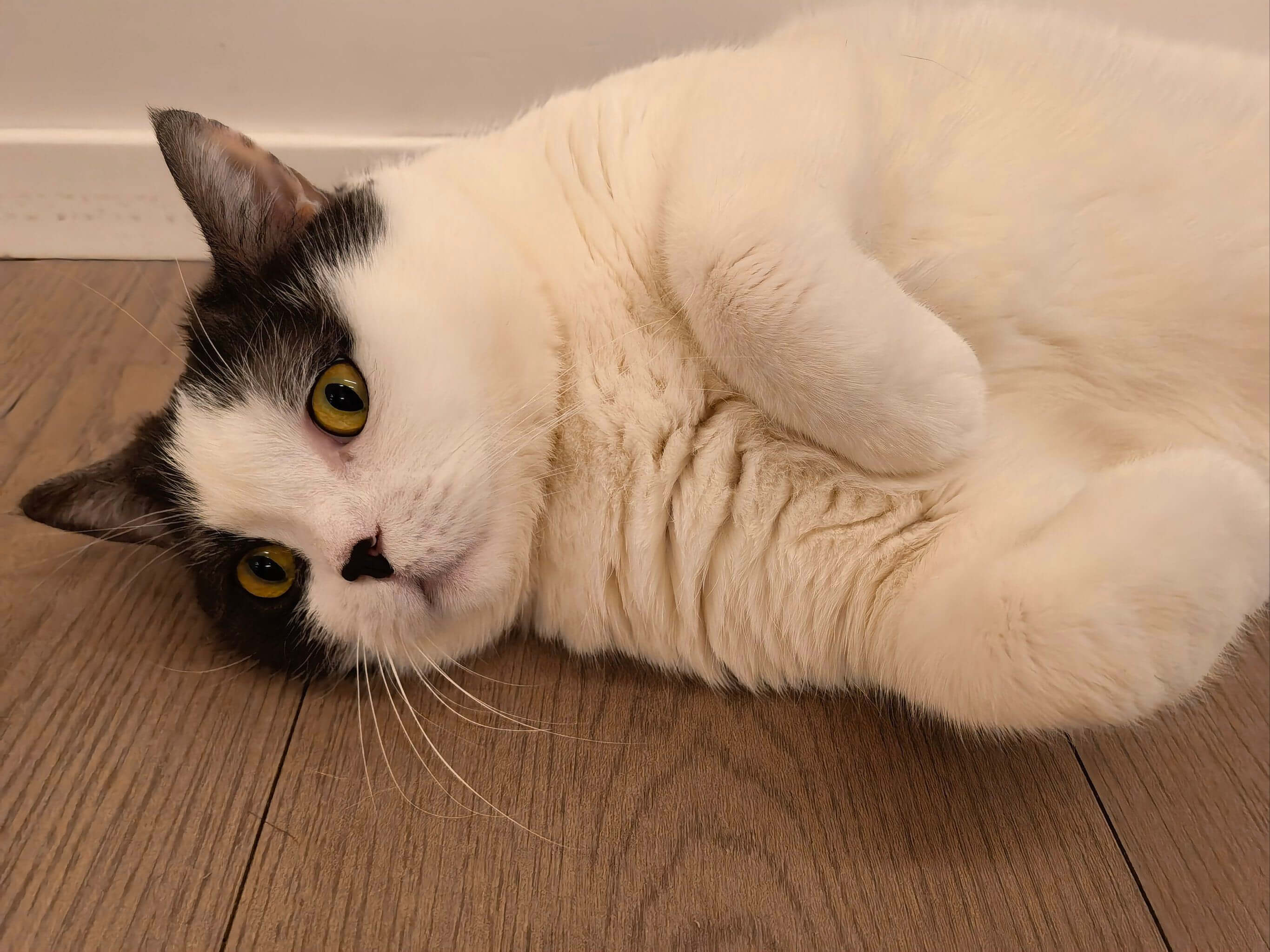
If you are wondering, "why do cats farts smell so bad," or searching "why does my cat fart so bad," the answer usually involves diet, digestion, swallowed air, or an irritated gut. Occasional cat gas is normal, but frequent, rotten-smelling flatulence should not be ignored.
Quick take: Mild cat flatulence can be normal. Very foul gas often points to diet or digestion, and sudden odor changes or digestive symptoms deserve veterinary attention.
Why Cat Farts Smell Bad
Cat farts smell bad when gut bacteria break down food and release sulfur-like gases. A stronger odor may come from a rich meal, a sudden diet switch, low-quality ingredients, dairy, spoiled food, parasites, constipation, or intestinal inflammation.
Smelly cat gas often improves with slower feeding and gradual food changes. If the odor comes with vomiting, diarrhea, weight loss, pain, or appetite changes, contact your vet.
- Mild cat flatulence can be normal
- Very foul gas often points to diet or digestion
- Sudden odor changes deserve attention
- Digestive symptoms need veterinary advice
Common Causes of Smelly Cat Gas
Most causes are practical and fixable, especially when the smell started after a food or routine change.
Switching Diets Too Fast
A sudden food change can disturb gut bacteria. Transition over 7 to 10 days.
Hard-to-Digest Foods
Fillers, greasy scraps, dairy, or food sensitivities can make cat farts smell unusually strong.
Swallowed Air
Cats that gulp meals may swallow extra air. Puzzle feeders and smaller meals can help.
Gut Problems
Parasites, infections, constipation, allergies, or bowel disease can cause foul gas.
Food Triggers to Check First
When people ask why do cat farts smell so bad or why does my cat fart so bad, the food bowl is often the best place to start. Dairy, greasy leftovers, spoiled wet food, unfamiliar treats, and sudden diet changes are common triggers.
Before sharing snacks, check our What Can Cats Eat? guide. Our article on can cats eat cherries also explains why some human foods are unsafe.
- Avoid milk, cheese, cream, and rich scraps
- Do not leave wet food out too long
- Measure portions to prevent overeating
- Introduce new foods slowly
When to Call the Vet
One stinky fart after a questionable treat is usually not an emergency. But if your cat's farts smell so bad every day, or the odor appears with other changes, call your veterinarian.
Cats hide discomfort well. Watch litter box habits, appetite, energy, grooming, and posture. Our common cat symptoms guide can help you decide how urgent the signs are. If sneezing or a runny nose is part of the picture, see can cats get colds.
- Diarrhea, constipation, or blood in stool
- Vomiting or repeated gagging
- Weight loss, poor appetite, or a swollen belly
- Crying, hiding, or pain after meals
- Gas that suddenly becomes frequent and foul
How to Reduce Smelly Cat Farts
Use a puzzle feeder, lick mat, or several small meals to slow eating. Mix new food into old food gradually, and avoid frequent table scraps.
Gentle movement supports digestion. Try short sessions from our 10-minute play routines. For daily feeding and enrichment basics, see our cat care guide. If gas comes with vomiting, read why is my cat vomiting.
- Slow meals down
- Change food gradually
- Keep unsafe snacks away
- Ask your vet about chronic digestive signs
The Bottom Line
So, why do cats farts smell so bad, and why does my cat fart so bad compared with another cat? Usually, something in your cat's diet or gut is producing extra sulfur-like gas. Occasional odor is normal, but repeated foul-smelling cat farts are a clue to review food quality, feeding speed, treats, and digestive health. For more fun facts and cat curiosities, visit Discover.
- Occasional gas is not unusual
- Daily foul gas is worth checking
- Diet and eating speed are common causes
- Illness signs should go to a vet
This article is for informational purposes only and is not a substitute for professional veterinary advice. If your cat has frequent foul gas or other digestive symptoms, contact your veterinarian.