Cat Breeds A-Z
Persian Cat: Personality, Care & Grooming Guide
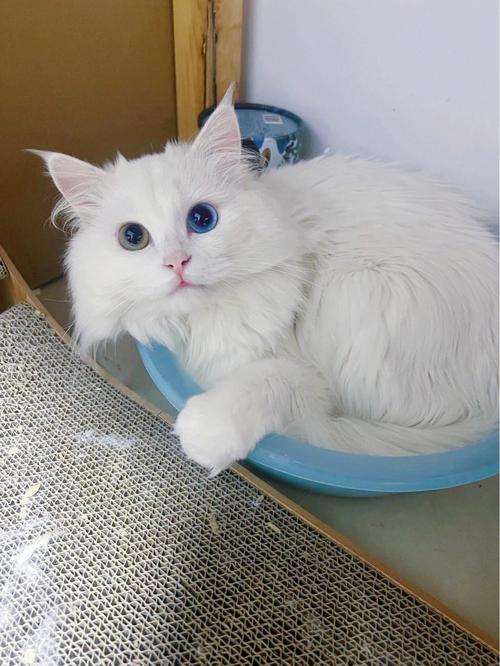
Serene, beautiful, and entirely content to spend the day resting in a sunbeam, the Persian is the definition of an indoor cat. They ask for little and give back immense calm companionship.
Overview
One of the oldest and most recognized Cat Breeds A-Z, the Persian has been a cherished indoor companion for centuries. Their flat face, round eyes, and flowing coat give them an unmistakable elegance. More importantly, their temperament is perfectly matched to apartment life.
Origin: Persia (modern-day Iran), refined in Europe
Weight: 7-12 lbs
Lifespan: 12-17 years
Temperament: Calm, gentle, quiet, affectionate
Why They Thrive in Apartments
Exceptionally Low Energy
Persians are happy to lounge for most of the day. They rarely dash around or knock things over, making them ideal for small, carefully arranged living spaces.
Very Quiet
They communicate in soft, gentle voices and do not demand attention loudly. Neighbors will never hear a Persian through the walls.
Stable and Predictable
Persians dislike change and thrive on routine - exactly what apartment life offers. A consistent daily schedule keeps them relaxed and content.
Gentle with Everyone
They get along with calm children, other cats, and even quiet dogs. Their non-confrontational nature makes multi-pet apartment living smoother.
Care Tips for Apartment Living
The Persian's long coat is their most demanding feature. Daily grooming is non-negotiable, but it quickly becomes a peaceful bonding ritual.
- Brush the coat daily to prevent tangles and reduce shedding
- Wipe the face folds gently each day to prevent skin irritation
- Keep the litter box spotless - Persians are very sensitive to hygiene
- Offer low-sided food and water bowls suited to their flat face
- Short, gentle play sessions once daily are sufficient
- Professional grooming every 6-8 weeks keeps the coat manageable
Health Considerations
The Persian's brachycephalic (flat-faced) structure requires some extra veterinary attention. Be aware of:
- Brachycephalic obstructive airway syndrome (breathing difficulties)
- Polycystic kidney disease - genetic screening is recommended
- Dental overcrowding due to shortened jaw structure
- Eye discharge from tear duct malformation - clean daily
Choose a breeder who health-tests breeding pairs and schedules regular vet visits twice a year once your Persian reaches senior age.
Other Apartment-Friendly Breeds
Continue exploring breeds that suit indoor life.