
Nutrition & Safety
Can Cats Eat Blueberries? Safety Tips for Indoor Cats in Small Apartments
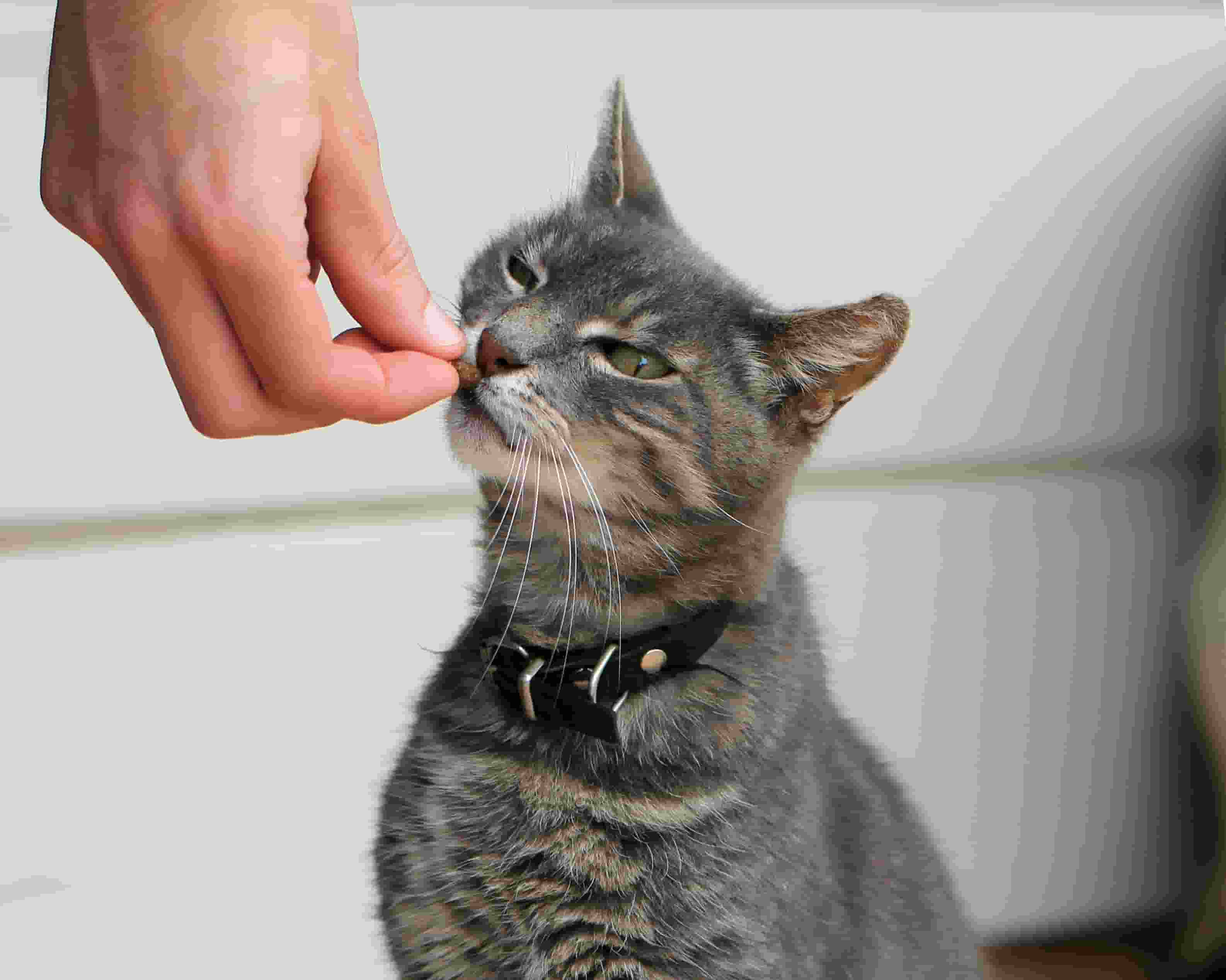
If you live in a small rental apartment and share your home with an indoor cat, you may catch your pet staring curiously at your bowl of blueberries. Many cat owners wonder whether this popular berry is a harmless snack or something to avoid. The short answer: cats can eat blueberries in tiny, controlled portions, but they come with unique considerations for anyone raising a cat within limited living space.
The short answer: Yes, in tiny portions. Blueberries are not toxic to cats, but they should stay an occasional treat—never a replacement for a meat-based diet.
Are Blueberries Toxic to Indoor Apartment Cats?
Blueberries are not toxic to cats. Unlike grapes, raisins, cherries and several common household fruits, blueberries do not contain compounds that cause kidney failure or acute poisoning in felines. They feature antioxidants, vitamin C and fiber that offer minor nutritional perks.
That said, blueberries cannot replace your cat’s regular diet. Cats are obligate carnivores. Their bodies are designed to gain nutrients from meat. Fruit should only ever count as an occasional treat for indoor cats confined to small apartments. For a toxic fruit to avoid entirely, see can cats eat cherries.
Potential Risks of Feeding Blueberries to Cats in Compact Living Spaces
Even non-toxic snacks create challenges for cat parents in studio and small apartments. Watch for these common issues:
Digestive Upset and Mess
Too many blueberries lead to diarrhea, soft stool and vomiting. In a small apartment, messy accidents are harder to clean, and you risk damage to carpets or rented furniture—a major worry if your lease has landlord rules about pet stains.
Choking Hazard
Whole blueberries can pose a choking risk for kittens or senior cats with weaker teeth. This risk rises in busy compact living areas where cats may gobble food quickly while playing.
Extra Sugar
Blueberries contain natural sugar. Regular feeding can contribute to weight gain. Indoor apartment cats usually have limited room to run and exercise, making them more prone to obesity. Pair treats with short play routines so energy has somewhere to go.
How to Feed Blueberries Safely to Apartment Indoor Cats
Follow these simple, low-mess steps tailored for small-space households:
Stick to tiny serving sizes
One to two blueberries, maximum 2–3 times per week. Never offer a full handful.
Prepare the berries properly
Wash thoroughly to remove pesticides. You can cut berries into halves to lower choking risk. Skip frozen blueberries straight from the freezer; cold fruit may irritate your cat’s stomach.
Avoid added ingredients
Do not feed blueberries mixed with sugar, cream, yogurt, syrups or baked muffins. Only offer plain fresh blueberries.
Feed in a contained area
Offer treats on a washable mat to prevent juice stains on rugs and sofas—perfect for rental apartments.
Small Apartment Storage Tips for Blueberries
Limited fridge and counter space is a universal struggle for apartment cat owners.
- Buy small packs of blueberries instead of large bulk containers to avoid waste
- Seal leftover berries tightly; strong fruit scents may attract your indoor cat and encourage counter-surfing
- Keep berries stored high inside closed cabinets, out of your cat’s jumping reach
Low-Space Alternatives to Blueberries for Indoor Cats
If your cat ignores blueberries, or you want less messy treat options suitable for compact homes:
- Freeze small portions of plain, unseasoned cooked chicken
- Commercial single-ingredient cat treat bites (compact packaging, easy to store)
- Small pieces of plain cooked salmon
When You Should Skip Blueberries Entirely
Avoid offering blueberries if your cat meets any of these conditions:
- Suffers from diabetes or sensitive digestion
- Has a history of chronic diarrhea
- Is overweight and already on a controlled feeding plan
Conclusion
Indoor cats living in small apartments can safely enjoy blueberries as a rare bite-sized treat. They are non-toxic, but overfeeding causes digestive messes and weight problems. Always prioritize your cat’s meat-based main diet, limit portions, and plan feeding sessions carefully to avoid stains in your rental home. If you notice vomiting or loose stool after your cat eats blueberries, stop offering this snack and contact your vet.
This article is for informational purposes only and is not a substitute for professional veterinary advice. If your cat has an unusual reaction after eating fruit, contact your veterinarian.