
Feeding Guide
Dry Food vs. Wet Cat Food: Which Is Better for Indoor Apartment Cats?
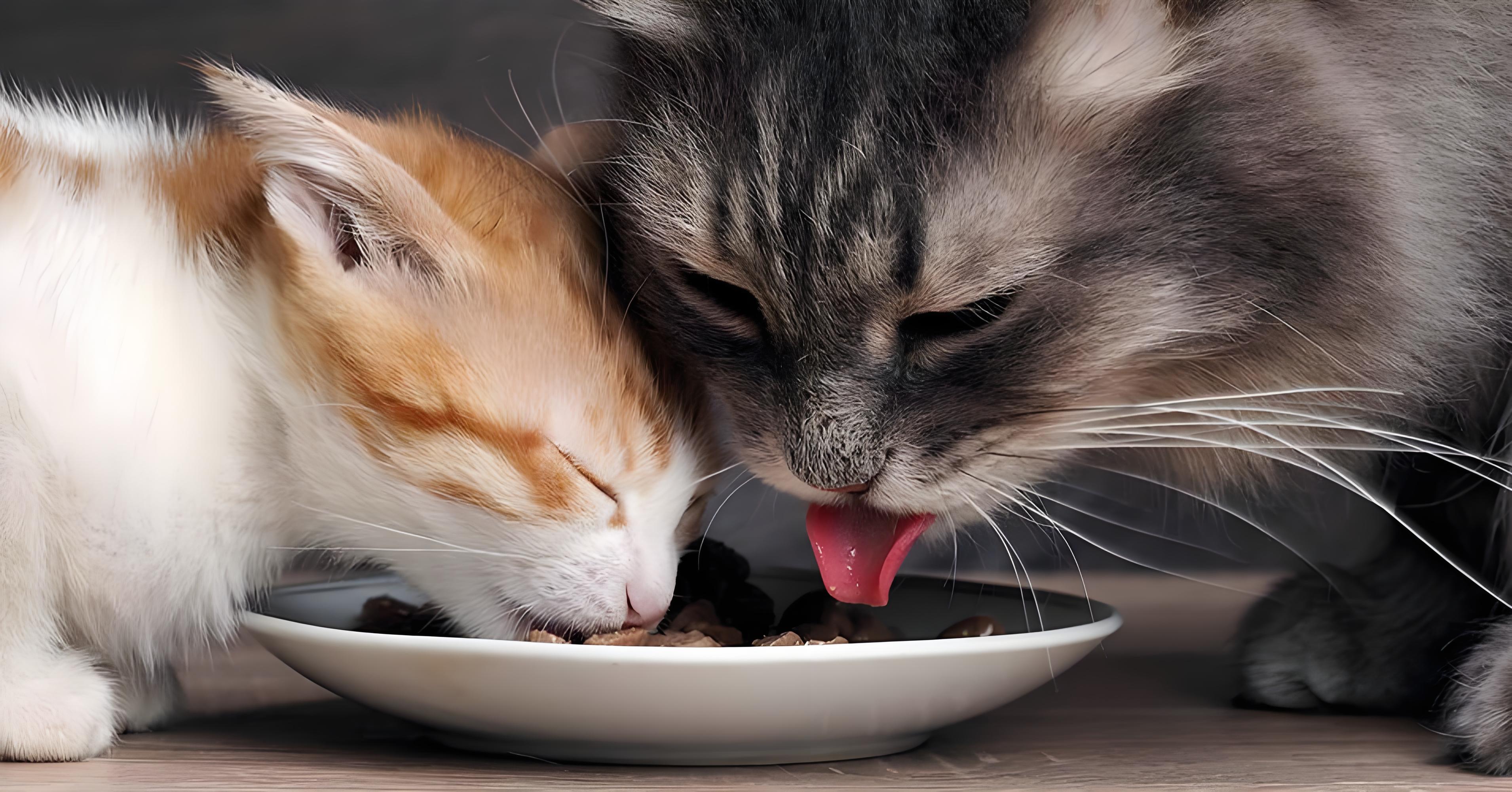
If you live in a small rental apartment and own an indoor cat, one of the most common questions is whether to feed dry food, wet food, or a mix of both. The right choice isn’t just about nutrition—it’s also about limited storage, cleaning convenience, odor control, and landlord rules, all of which matter a lot in compact living spaces. Here is a complete, apartment-focused comparison of dry cat food and wet cat food to help you pick the best diet for your indoor feline.
Apartment shortcut: For most renters, dry kibble as the daily staple plus one small wet serving each day balances hydration, odor control, and storage limits.
What Is the Difference Between Dry Food and Wet Food for Cats?
Dry cat food (kibble) is a low-moisture, shelf-stable diet with around 10% water content. It is compact, easy to store, and designed for free-feeding routines. Wet cat food (canned or pouch food) contains 75%–80% water, closely mimics a cat’s natural prey diet, and offers higher hydration and stronger flavor appeal.
For indoor cats confined to small apartments, this basic difference creates huge gaps in daily maintenance, odor management, and long-term health outcomes.
Dry Cat Food: Pros & Cons for Small Apartment Indoor Cats
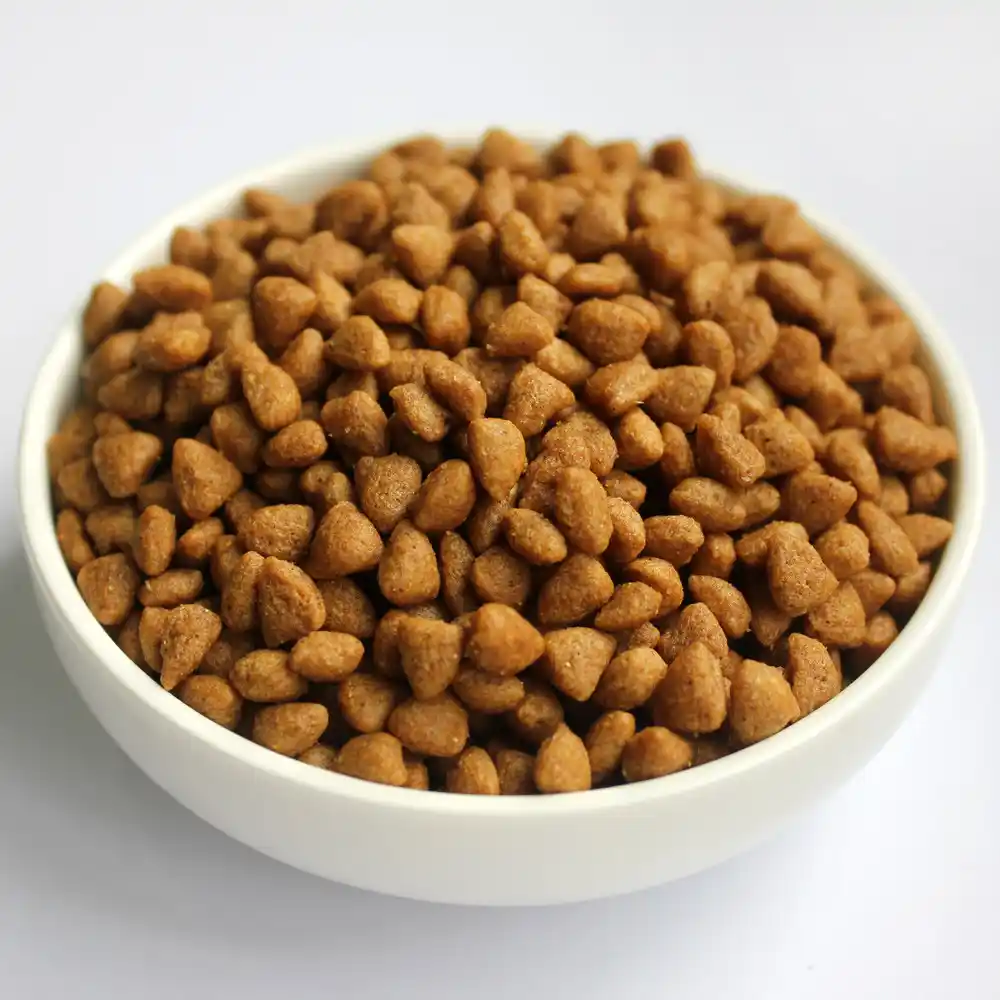
Pros of Dry Food for Apartment Cats
Minimal storage space required. Dry kibble comes in sealed bags and takes up far less fridge or cabinet space than canned wet food—a huge advantage for studio apartments and rental homes with tiny kitchens. You can store large bags in high cabinets to keep curious indoor cats from accessing food unsupervised.
Nearly odor-free (landlord-friendly). One of the biggest benefits for renters is that dry food produces almost no strong smell. Wet food can leave lingering fish or meat odors in small enclosed rooms, which may trigger landlord complaints or unpleasant living conditions. Dry kibble keeps your apartment air fresh at all times.
Low mess and easy cleaning. Dry food does not spill liquid, stain carpets, or leave sticky residue on floors. It is perfect for small living spaces where every mess is noticeable and hard to hide, helping you avoid rental cleaning fees.
Supports free-feeding routines for busy owners. If you work long hours and leave your indoor cat alone for most of the day, dry kibble can be left out safely without spoiling. This consistent feeding routine prevents begging behavior and stress in indoor-only cats.
Budget-friendly long-term. Dry food has a lower per-serving cost than wet food, making it ideal for cat owners on a monthly budget while still providing balanced daily nutrition.
Cons of Dry Food for Apartment Cats
Severe dehydration risk for indoor cats. Indoor cats naturally drink far less water than outdoor cats. With only dry food in their diet, they often struggle to meet daily hydration needs, leading to a higher risk of urinary tract issues, kidney problems, and constipation—common health issues for sedentary apartment cats. See our common indoor cat health issues guide for related symptoms.
Higher carbohydrate content. Most commercial kibble contains grain fillers and excess carbs. Indoor cats have limited exercise in small spaces, so extra carbs quickly lead to obesity and lazy, low-energy lifestyles. Pair feeding with short play routines to burn calories.
Less palatable for picky indoor cats. Cats rely heavily on scent and flavor. Dry kibble is mild-tasting, and many indoor cats become bored with repetitive kibble-only diets, leading to skipped meals or finicky eating habits.
Wet Cat Food: Pros & Cons for Small Apartment Indoor Cats
Pros of Wet Food for Apartment Cats
Solves indoor cat dehydration problems. Wet food’s high water content actively boosts daily hydration without forcing your cat to drink from water bowls. This is life-changing for indoor cats who avoid drinking water, greatly reducing the risk of FLUTD, kidney disease, and chronic constipation.
High-protein, low-carb diet. Cats are obligate carnivores. Wet food is richer in animal protein and free of excessive grain fillers, perfectly matching a feline’s natural diet. It supports lean muscle mass and prevents unhealthy weight gain in low-activity apartment cats.
Reduces boredom and stress. Indoor cats suffer from limited stimulation in small spaces. The strong aroma and varied textures of wet food make mealtime enriching, reducing anxiety, food boredom, and destructive behaviors like furniture scratching. Pair meals with enrichment such as a window spot and proper scratching outlets.
Cons of Wet Food for Apartment Dwellers
Strong, lingering odors in compact spaces. In small studios and closed apartments, wet food smells spread quickly and stick to fabrics, carpets, and furniture. Poor odor management can lead to uncomfortable living environments and even neighbor or landlord complaints.
Creates messy stains and rental risks. Wet food residue, spills, and leftover paste can stain carpets and upholstery. For renters, these permanent stains may result in security deposit deductions at the end of a lease.
Requires fridge storage and takes up space. Opened wet food must be refrigerated, which is a problem for apartments with tiny mini-fridges. Stocking up on canned food also requires extra cabinet storage space that most small rentals lack.
Spoils quickly and needs strict feeding schedules. Wet food cannot be left out all day. In warm indoor apartment temperatures, it spoils within hours, attracting bacteria, mold, and even tiny pests like ants—another major headache for renters.
Higher long-term cost. Feeding only wet food every day costs significantly more than kibble, increasing monthly pet expenses.
Quick Comparison Table: Dry Food vs Wet Food for Apartment Cats
| Factor | Dry Cat Food (Kibble) | Wet Cat Food (Canned/Pouch) |
|---|---|---|
| Water Content | ~10% (low hydration) | 75–80% (high hydration) |
| Apartment Odor | Almost odor-free | Strong, long-lasting scent |
| Mess Level | Very low, no stains | High risk of spills & stains |
| Storage Needs | Compact, no fridge needed | Refrigeration required after opening |
| Cost | Affordable, budget-friendly | Higher ongoing cost |
| Health Benefit | Good for dental health | Great for hydration & weight control |
| Best For | Busy owners, small storage rentals | Indoor cats with urinary/weight issues |
What Is the Best Feeding Routine for Indoor Apartment Cats?
For most cat parents living in small apartments, a mixed diet is the perfect balanced solution—it eliminates the downsides of both food types while maximizing their benefits.
Recommended apartment-friendly routine: Feed dry kibble as your cat’s daily staple for easy storage, zero odor, and low maintenance. Add one small serving of wet food per day to boost hydration, add protein, and prevent indoor cat health issues.
Kibble alone is not a full dental plan—pair feeding choices with practical cat dental care and how to clean cats teeth at home.
This hybrid method avoids all common apartment feeding problems: no persistent wet food odor, no spoiled food messes, no stained rental furniture, and no dehydration risks for sedentary indoor cats.
Apartment-Specific Feeding Tips to Avoid Mess & Odor
- Feed wet food on a waterproof mat. Always place wet food bowls on a washable feeding mat to protect rental carpets and floors from permanent stains.
- Remove uneaten wet food within 2 hours. Prevent spoilage, odors, and pest infestations in your small living space. See full storage rules in our wet cat food feeding and safety guide.
- Store kibble in airtight high cabinets. Keep curious indoor cats from knocking over food bags and creating big messes.
- Use water fountains alongside kibble. Boost hydration for cats on mostly dry food diets, perfect for low-exercise indoor kitties.
From Our Home: Anna’s Eating Habits
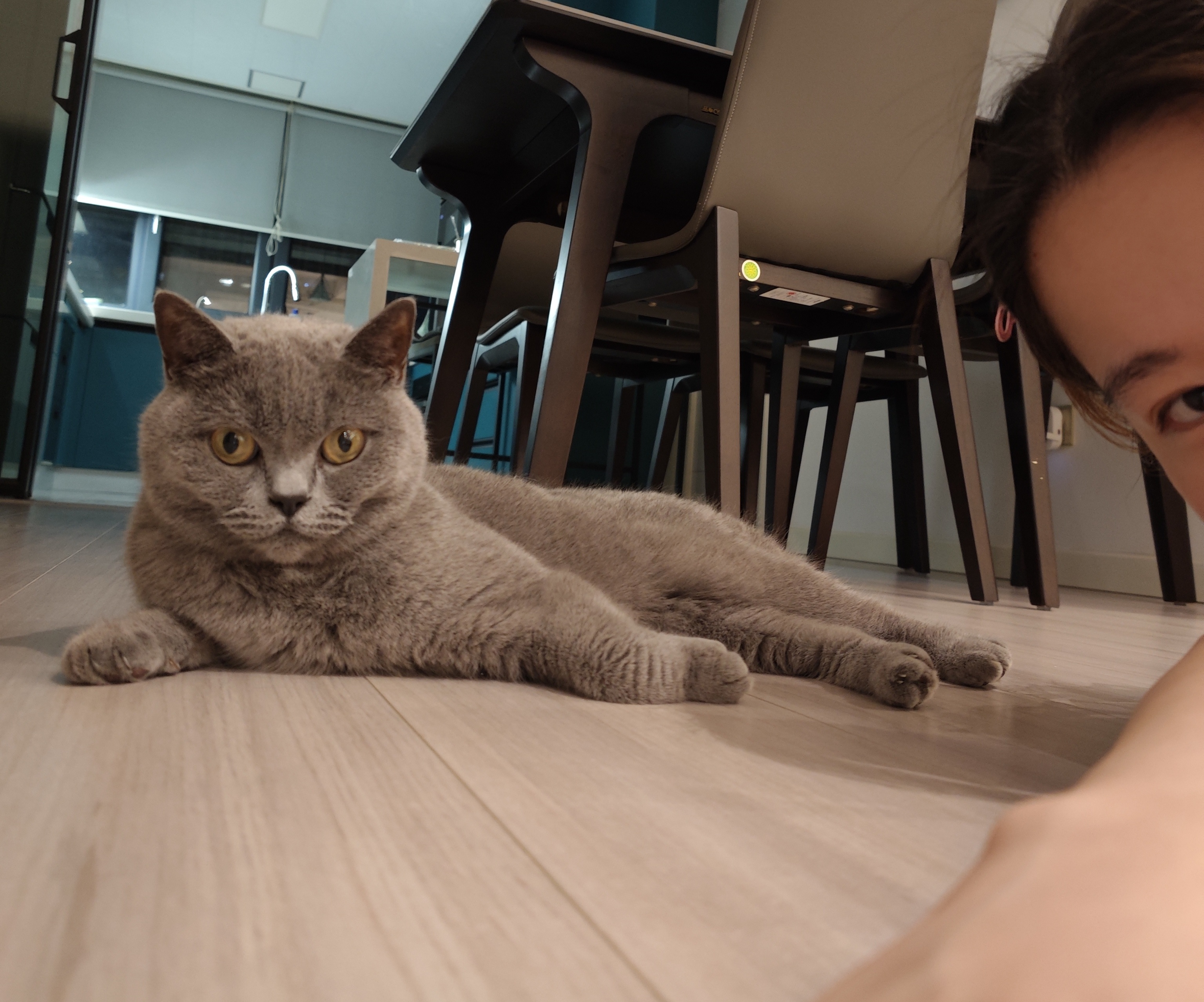
Our 7-year-old British Blue, Anna, is not a picky eater when it comes to regular cat food—she finishes both dry kibble and wet food without drama. Still, she has clear preferences with treats and wet meals: chicken canned food is her favorite, and she will polish that bowl faster than almost anything else.
Every cat is different. Some cats seem to love nearly everything, including human snacks (yes, even popsicles if they get the chance). Others get curious about strong-smelling foods like durian. We tried letting Anna sniff durian once—she twisted her mouth to the side and looked thoroughly unimpressed. Preferences matter, but the safer rule for apartment cats is still the same: stick to cat food and cat treats, and keep human snacks off the menu. If you are wondering about dairy treats, see our guide on whether cats can have Greek yogurt.
Final Verdict: Dry Food vs Wet Food for Indoor Cats
There is no one-size-fits-all winner, but mixed feeding works best for small apartment indoor cats. Dry food is the most practical daily option for rental living thanks to its convenience, low odor, and space-saving design. Wet food adds critical hydration, high-quality protein, and mental enrichment to prevent common indoor cat health and behavioral problems.
Avoid an all-wet-food diet if you live in a tiny rental due to odor and mess risks, and avoid an all-dry-food diet long-term to prevent dehydration and obesity in your indoor feline companion.
For more indoor feline health tips tailored for compact homes, read our guide on common indoor cat health issues in small apartments.
This article is for informational purposes only and is not a substitute for professional veterinary advice. Ask your veterinarian before changing your cat’s diet, especially if your cat has urinary, kidney, or weight concerns.