
Nutrition & Safety
Can Cats Have Greek Yogurt? Safety Tips for Indoor Cats in Small Apartments
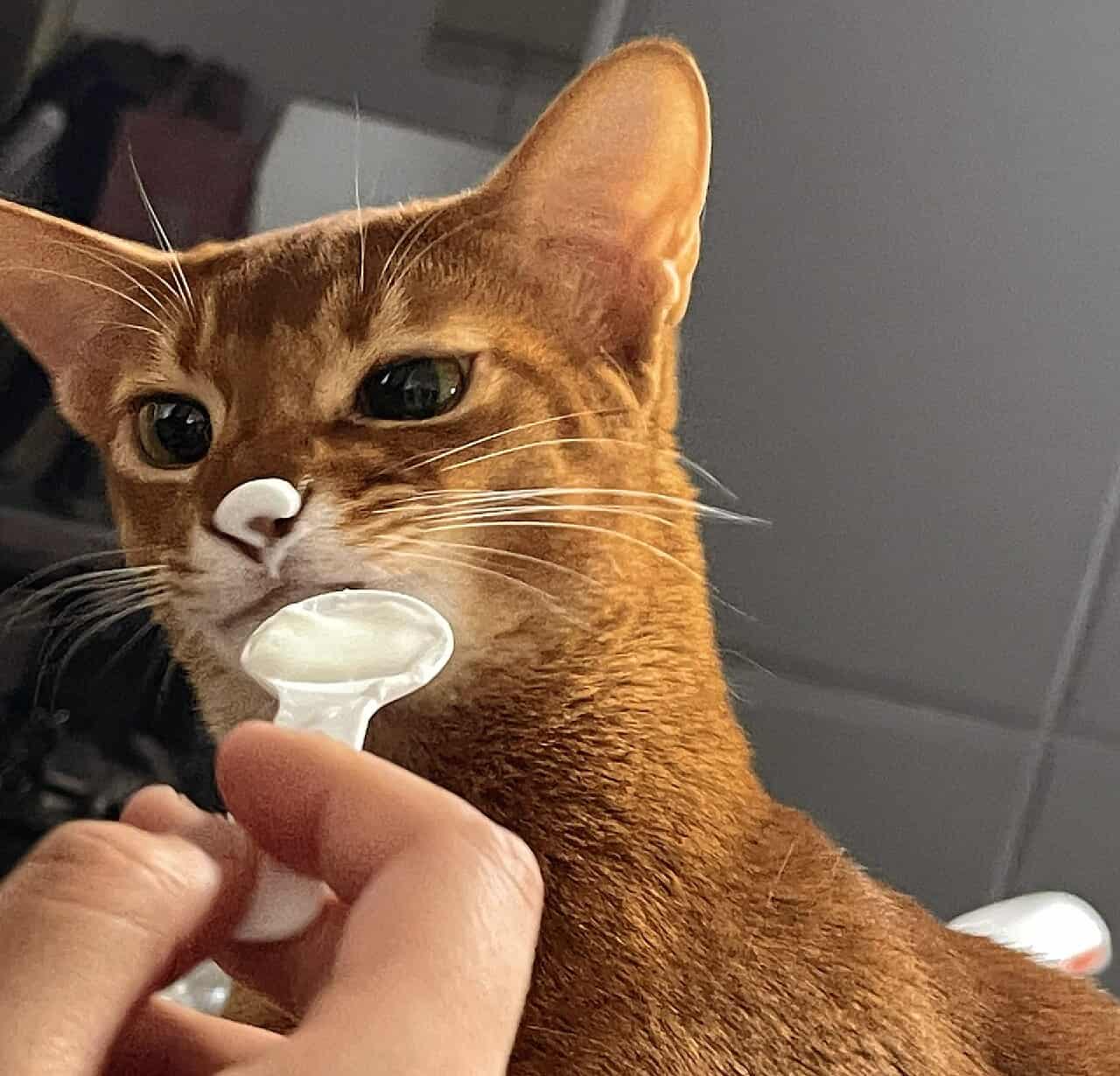
If you live in a compact rental apartment and share your space with an indoor cat, you may wonder if you can share your Greek yogurt snack. Many cat parents look for simple, human-food treats to spoil their pets. The short answer: plain, unsweetened Greek yogurt can be offered occasionally in tiny amounts, but it carries unique risks for indoor cats—especially those living within limited apartment space.
The short answer: Only plain, unsweetened Greek yogurt—and only a tiny taste. Flavored yogurts are unsafe. Dairy can still upset many adult cats, so treat it as rare, not routine.
Is Greek Yogurt Toxic to Apartment Indoor Cats?
Pure, unsweetened plain Greek yogurt is not toxic to cats. Unlike chocolate, grapes, artificial sweeteners and onions, it contains no fatal poisons for felines. Greek yogurt has protein and probiotics that may support mild gut health in some cats. Still, a critical detail to remember: cats are obligate carnivores. They do not require dairy or yogurt in their regular diet. Any yogurt should only ever be an occasional small treat, never a meal replacement.
For other human foods, compare with our guides on blueberries and cherries.
Key Risks of Feeding Greek Yogurt to Cats in Small Rental Apartments
Most apartment cat owners overlook these space and rental-specific challenges when offering dairy treats:
Lactose Intolerance & Hard-to-Clean Messes
The majority of adult cats are lactose intolerant. Consuming yogurt can trigger diarrhea, upset stomach, vomiting or soft stools. In a small studio or apartment, accidents are difficult to contain. Stains on carpets, couches or rugs can violate your rental lease and lead to cleaning fees or deductions from your security deposit—a top concern for renters.
Added Ingredients Found in Flavored Greek Yogurt Are Dangerous
Flavored varieties are not safe. Watch for:
- Xylitol (artificial sweetener): Highly toxic to cats
- Added sugar, honey, berries, vanilla, chocolate syrup: These additives can lead to obesity, pancreatitis or toxic reactions
Only plain unsweetened Greek yogurt is even worth considering.
Weight Gain for Low-Activity Indoor Cats
Indoor apartment cats may lack space for frequent running and exploration, making them prone to weight gain. Greek yogurt contains fat and calories. Regular feeding can quickly cause unnecessary weight issues. Pair any treat with short play routines.
How to Safely Feed Greek Yogurt to Cats in Small Living Spaces
If you want to test this treat, follow these low-mess, apartment-friendly rules:
- Only choose plain, unsweetened Greek yogurt. Double-check the ingredient label. No artificial sweeteners, fruit, flavorings or sugar added.
- Stick to strict tiny portion sizes. ½ teaspoon to 1 teaspoon maximum, no more than once or twice weekly. Do not serve full spoonfuls.
- Create a contained feeding zone. Place the yogurt on a waterproof washable mat. This stops spills and stains on your rental furniture and flooring.
- Observe your cat closely after the first feeding. Watch for diarrhea, bloating or gassiness over the next 24 hours. Stop feeding yogurt immediately if digestive issues appear.
Small Apartment Storage Tips for Greek Yogurt
Limited refrigerator space is common for renters in compact apartments:
- Purchase small single-serve containers instead of large tubs to avoid food waste
- Store yogurt on higher closed shelves to block counter-surfing indoor cats
- Seal leftover yogurt tightly to prevent strong dairy odors from attracting curious cats
Low-Mess Space-Saving Treat Alternatives for Indoor Apartment Cats
If your cat reacts poorly to dairy, or you want to avoid the risk of messy yogurt spills in your rental:
- Small pieces of plain cooked unseasoned chicken or turkey
- Freeze-dried single-protein cat treats (compact packaging, easy storage)
- Tiny portions of plain cooked salmon
- Vet-approved meat-based cat lickable treats
When You Should Avoid Greek Yogurt Completely
Do not offer Greek yogurt if your cat falls into any of these groups:
- Suffers from chronic diarrhea or sensitive digestion
- Overweight, on a weight management feeding plan
- Diagnosed with diabetes or pancreatitis
- Kittens younger than 12 weeks old
Conclusion
Indoor cats living in small rental apartments can sample tiny amounts of plain unsweetened Greek yogurt as a rare treat. Flavored yogurt products are dangerous and should always be avoided. Keep portions minimal and prepare for potential digestive upset and messy accidents that risk damaging rental property. Remember, high-quality meat-based cat food should always form the foundation of your pet’s nutrition. Stop feeding yogurt and contact your veterinarian right away if you notice any signs of stomach distress.
This article is for informational purposes only and is not a substitute for professional veterinary advice. If your cat has an unusual reaction after eating dairy, contact your veterinarian.