
Dry Food
What Is Kibble Cat Food? How Much Kibble to Feed Indoor Apartment Cats
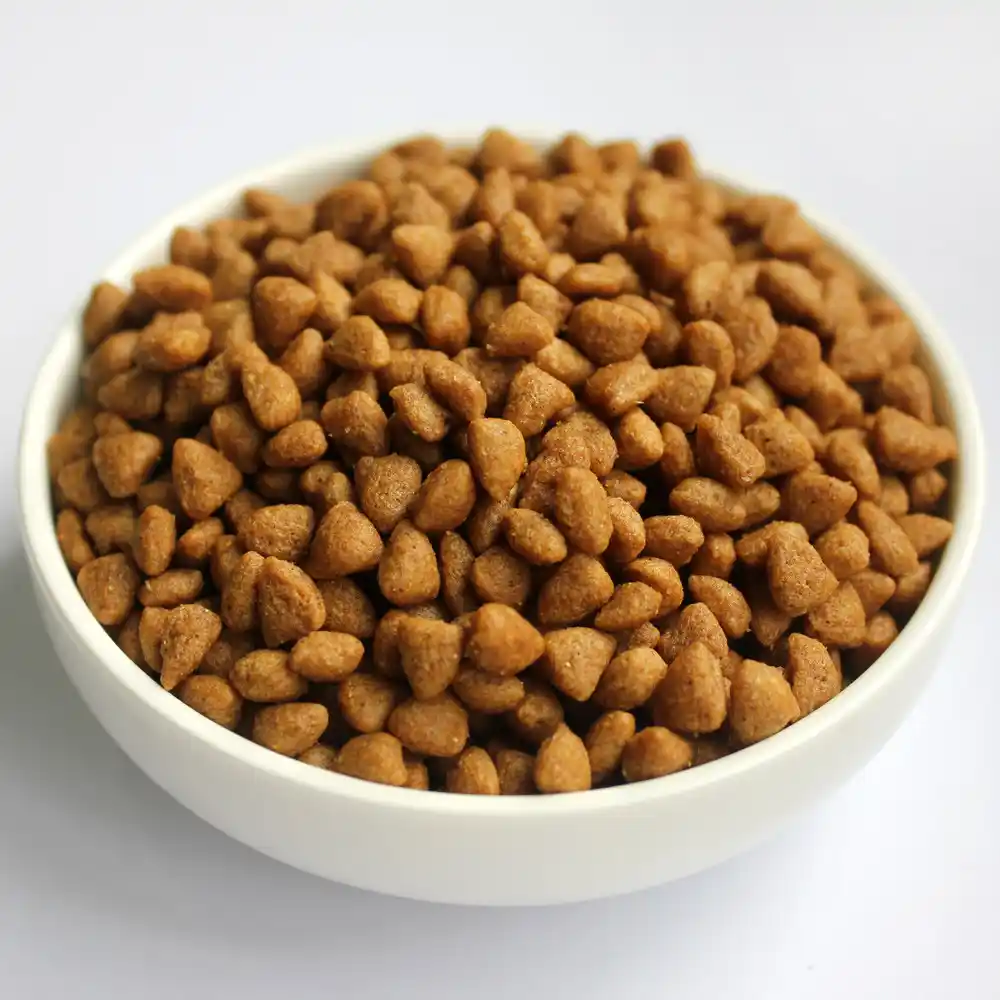
If you own an indoor cat living in a small rental apartment, cat kibble is likely the foundation of your pet’s daily diet. Kibble cat food is the most convenient, space-saving, and low-mess option for compact living spaces. Many new cat parents ask: What is kibble cat food exactly, and how much kibble should a cat eat every day? This complete guide breaks down everything you need to know about kibble for cat diets, with tailored advice for low-activity indoor apartment cats.
Quick rule: For most adult indoor cats, start with 15–18g of kibble per kg of body weight daily, then adjust for body shape and your brand’s calorie label.
What Is Kibble Cat Food?
Kibble cat food is dry, extruded pellet food formulated specifically for feline nutrition. Also simply called cat kibble or kibble for cat daily meals, it is manufactured by mixing meat proteins, grains, vitamins, and minerals before baking and drying the mixture into hard, shelf-stable pellets.
Unlike wet canned food, standard kibble cat food contains only 8%–12% moisture. This low-moisture formula makes it ultra-convenient for apartment dwellers. It requires no refrigeration, produces almost no odor, stores easily in small cabinets, and creates minimal mess on rental carpets or furniture — perfect for studio apartments and small living spaces.
For indoor cats that spend their entire lives inside compact homes, kibble for cat offers consistent daily nutrition, easy portion control, and a low-maintenance feeding routine that fits busy owners’ schedules.
Pros and Cons of Feeding Cat Kibble for Apartment Indoor Cats
Benefits of Kibble Cat Food
Space-saving storage. Cat kibble comes in sealed bags and stacks easily in small apartment cabinets. It does not take up valuable mini-fridge space like wet food, solving one of the biggest storage struggles for renters.
No strong lingering odors. Kibble for cat diets is nearly odor-free. Unlike smelly wet food that stinks up small enclosed rooms, dry kibble keeps your apartment fresh and avoids landlord or neighbor complaints.
Dental health support. The hard texture of kibble cat food helps gently scrape plaque off cats’ teeth while chewing, reducing tartar buildup — a key benefit for indoor cats with limited enrichment and fewer chewing opportunities.
Budget-friendly and low-maintenance. Cat kibble has a lower per-serving cost than wet food and can be left out safely for free feeding, ideal for owners who leave indoor cats alone for long work hours.
Downsides of Kibble for Cat Diets
Low hydration risk. Since kibble cat food is dry, indoor cats who eat only kibble and rarely drink water face higher risks of urinary tract issues, constipation, and kidney strain. See our common indoor cat health issues guide for related symptoms.
Higher chance of weight gain. Indoor apartment cats have very limited exercise. Overfeeding cat kibble leads to rapid obesity, which triggers diabetes and joint problems in sedentary felines. Pair measured meals with short play routines to burn calories.
How Much Kibble to Feed Cat? Standard Daily Portion Guide
The most common question for new owners is: How much kibble should a cat eat every day? Kibble portions depend entirely on your cat’s age, weight, activity level, and whether they live strictly indoors. Indoor apartment cats burn far fewer calories than outdoor cats, so they require significantly less kibble for cat daily meals.
General Kibble Cat Food Feeding Chart (Indoor Apartment Cats)
| Cat Stage | Daily Portion Guide |
|---|---|
| Kittens (2–6 months, growing) | 30–40g of cat kibble per kg of body weight daily, split into 3–4 small meals |
| Adult indoor cats (1–7 years, neutered) | 15–18g of kibble per kg of body weight per day |
| Senior indoor cats (8+ years) | 12–15g of cat kibble per kg of body weight daily |
For adult indoor cats, a practical reference is:
- 2kg cat: 30–36g daily kibble
- 3kg cat: 45–54g daily kibble
- 4kg cat: 60–72g daily kibble
Young kittens need extra calories for development, even in small apartment environments. Senior cats with slower metabolism need reduced portions to avoid unhealthy weight gain and strain on aging organs.
How to Calculate Exact Kibble for Cat Servings
Every brand of kibble cat food has different calorie density, usually ranging from 350–450 kcal per 100g. To get the most precise portion for your indoor apartment cat, use this simple formula:
Daily kibble (g) = Cat’s daily calorie needs ÷ Kibble calories per 100g × 100
Most average indoor cats need roughly 250–300 calories per day. Always check your kibble cat food packaging label for exact calorie values to avoid overfeeding.
Critical Rules: How Much Kibble Should a Cat Eat (Apartment Cat Edition)
- Never free-feed unlimited kibble long-term. Free-feeding cat kibble is convenient for busy apartment owners, but unlimited access guarantees weight gain for low-activity indoor cats. Stick to measured daily portions to prevent obesity and related diseases.
- Pair kibble cat food with extra hydration. Since kibble for cat meals lacks moisture, add a cat water fountain or occasional wet food treats in your small apartment setup. This offsets dehydration risks unique to indoor-only felines.
- Adjust portions based on body shape. If your indoor cat develops a rounded belly or thick neck, reduce daily kibble portions by 10–15%. If your cat appears lean or lazy, slightly increase portions while monitoring energy levels.
- Store kibble properly for small apartments. Keep cat kibble in airtight, high cabinet storage. This prevents curious indoor cats from breaking into food bags, creating messy spills on rental floors, and avoids pest issues in compact living spaces.
Final Thoughts
Kibble cat food is the most practical daily diet for indoor cats living in small apartments. Understanding what kibble cat food is and mastering how much kibble to feed cat is essential for long-term feline health. Always follow the rule: how much kibble should a cat eat depends on their weight and indoor activity level — never guess portions freely. When fed correctly, controlled servings of kibble for cat provide balanced, low-mess, apartment-friendly nutrition for your indoor feline companion.
Learn more about balanced feline nutrition for compact homes in our full comparison of dry food vs wet food for apartment indoor cats.
This article is for informational purposes only and is not a substitute for professional veterinary advice. Ask your veterinarian before changing your cat’s diet, especially if your cat has urinary, kidney, or weight concerns.