
Very Common
Overweight Cat: How to Tell, Risks & How to Help Your Cat Lose Weight (Indoor Apartment Guide)
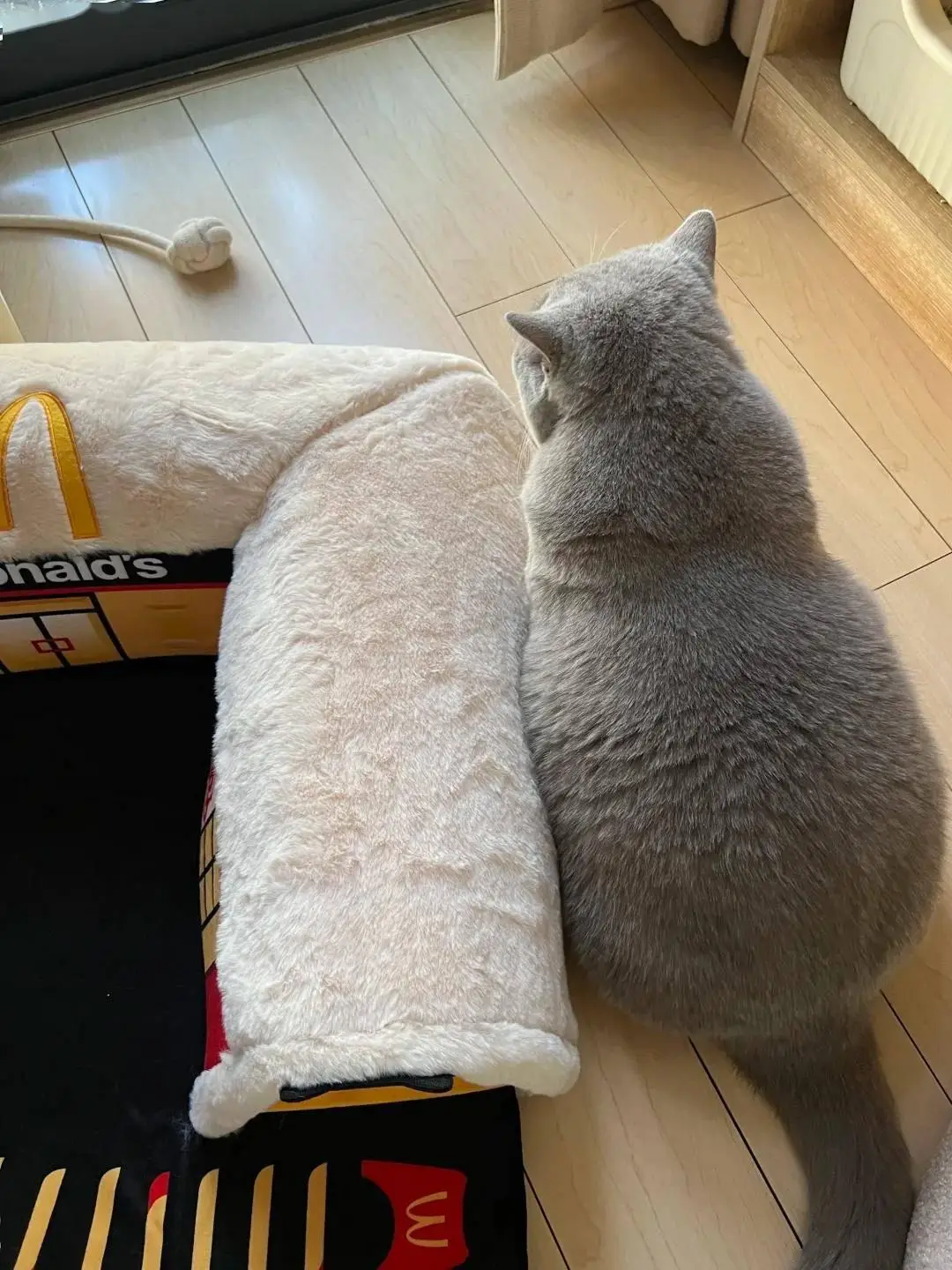
If you own an indoor cat living in a small apartment, you’ve probably asked yourself: Is my cat overweight? Low exercise space, convenient free-feeding kibble routines, and limited daily activity make indoor felines far more prone to weight issues than outdoor cats. From a slightly overweight cat to a fully obese cat, unmanaged weight gain is the #1 silent health issue for apartment-raised kitties. In this guide, we cover normal weight for a cat, how to tell if your cat is fat, causes of rapid weight gain in cats, and exactly how to help your cat lose weight safely in small living spaces.
Apartment shortcut: Most adult domestic cats land around 3.5–4.5 kg when healthy. Use rib, waist, and belly checks—not the scale alone—to spot a slightly overweight cat early.
What Is Normal Weight for a Cat? (Standard Healthy Range)
Understanding normal weight for a cat is the first step to diagnosing an overweight cat or obese cat. For most adult domestic breeds (British Shorthair, Siamese, mixed breeds), the healthy baseline weight is consistent for indoor cats:
Normal healthy cat weight: 3.5 kg – 4.5 kg (7.7 lbs – 9.9 lbs)
Veterinarians use a simple classification system for feline body condition:
- Ideal weight: Visible waist behind ribs; ribs easily felt under a thin fat layer
- Slightly overweight cat: Ribs hard to feel, waist barely visible, mild belly rounding
- Overweight cat: No defined waist, obvious belly fat, rounded back shape
- Obese cat: Full body fat padding, rounded belly, no waist definition, fat buildup on neck and legs
Because apartment cats have no outdoor space to run, climb, or hunt, even a slightly overweight cat can quickly progress to an obese cat without careful portion control.
Is My Cat Overweight? How to Tell If Your Cat Is Fat
Many apartment cat owners struggle to recognize gradual weight gain because they see their cat every day. Here is exactly how to tell if your cat is fat using three simple at-home checks:
1. Rib Check Test
Gently run your fingers along your cat’s ribcage. If you cannot feel individual ribs without pressing hard, your cat is at minimum a slightly overweight cat. If a thick fat layer completely covers the ribs, you have an overweight cat or obese cat.
2. Waist Profile Check
View your cat from above while they stand. Healthy cats have a subtle hourglass waist behind the ribs. If the body shape is straight or barrel-shaped with no narrowing, your cat fails the healthy weight standard and qualifies as overweight.
3. Belly Sag Check
Indoor overweight cats develop a hanging, rounded belly that does not tighten when walking. This is the most obvious visual sign that answers the question: Is my cat overweight?
Causes of Rapid Weight Gain in Cats (Apartment Cat Specific)
Rapid weight gain in cats rarely happens by accident—especially for indoor cats confined to compact living spaces. These are the most common triggers for fast fat gain:
Uncontrolled Kibble Free-Feeding
Most apartment owners leave unlimited kibble cat food out for convenience. Indoor cats have low daily movement, so constant access to high-calorie kibble leads to steady, fast weight gain. Adjust your cat’s daily meals correctly with our guide on how much kibble to feed indoor apartment cats.
Lack of Exercise & Enrichment
Small studios and apartments offer little running or climbing space. Bored indoor cats often eat out of habit instead of hunger, worsening weight gain. Short daily play routines help burn calories indoors.
Too Many Treats & Human Food Snacks
Snacks like Greek yogurt, blueberries, and other human foods (even in small portions) add hidden calories for low-activity indoor cats. See our What Can Cats Eat? guide before sharing table food.
Medical Conditions
Hypothyroidism, insulin resistance, and aging metabolism changes can also cause rapid weight gain in cats, even with no diet changes. If weight jumps without diet changes, check related signs on our common cat symptoms hub.
Dangers of Overweight Cat & Obese Cat Conditions
Leaving a slightly overweight cat untreated quickly escalates to serious chronic issues for indoor felines:
- Higher risk of feline diabetes (extremely common in indoor overweight cats)
- Urinary tract disease and kidney strain from low movement and excess body fat
- Joint pain, arthritis, and difficulty jumping to window perches
- Lethargy, boredom, and reduced quality of life in small apartments
- Shorter overall lifespan for obese cats
How to Help Your Cat Lose Weight Safely (Apartment-Friendly Method)
If you’ve confirmed your cat is overweight or obese, you need a safe, sustainable plan tailored for indoor small-space living. Here is exactly how to help your cat lose weight without starvation or stress:
1. Switch From Free-Feeding to Measured Portions
Stop unlimited kibble access immediately. Calculate your cat’s ideal daily calories based on their normal weight for a cat standard, not their current overweight weight. Split meals into 2–3 scheduled feedings daily to avoid begging behavior.
2. Gradually Reduce Daily Calories
Safety first: For an overweight cat, cut daily portions by 10–15% slowly. Never crash-diet an obese cat—rapid food restriction can cause life-threatening fatty liver disease in felines.
3. Add Low-Impact Apartment Exercise
Since outdoor space is unavailable, create indoor movement opportunities: wand toy play twice daily, window perch climbing structures, and puzzle feeders to slow eating and burn minor calories. Even 10–15 minutes of daily play drastically improves indoor cat metabolism. A dedicated window spot can also encourage more climbing and watching activity.
4. Replace High-Calorie Treats With Low-Calorie Options
Eliminate fatty snacks and limit human food sharing. Swap regular treats for tiny portions of plain protein to reduce empty calories while keeping your cat satisfied.
5. Add Wet Food to Increase Fullness
Mixing small amounts of high-moisture wet food with kibble keeps indoor cats full longer, reducing overeating and begging without excessive calorie intake. Compare options in our dry food vs wet cat food guide.
6. Track Weight Weekly
Weigh your cat once every 7 days. A safe weight loss rate is 1–2% of body weight per week for overweight and obese cats.
Preventing Future Rapid Weight Gain in Indoor Apartment Cats
The best way to fix an overweight cat issue is to avoid it entirely. Stick to measured kibble portions, maintain daily play routines, and avoid over-treating your indoor cat. Regular body checks will help you spot a slightly overweight cat early before it develops into dangerous obesity.
Final Thoughts
If you’ve ever asked Is my cat overweight, you’ve taken the most important step for your indoor cat’s health. Knowing normal weight for a cat, recognizing rapid weight gain in cats, and understanding how to tell if your cat is fat allows you to intervene early. Whether your cat is just slightly overweight, clearly overweight, or fully obese, consistent portion control and indoor exercise is the proven answer for how to help your cat lose weight safely in small apartment living environments.
This article is for informational purposes only and is not a substitute for professional veterinary advice. Ask your veterinarian before starting a weight-loss plan, especially if your cat has diabetes, urinary, kidney, or joint concerns.