
Daily Care
Fitness for Cats: How Much Exercise Does a Cat Need to Build a Healthy Workout Cat Routine
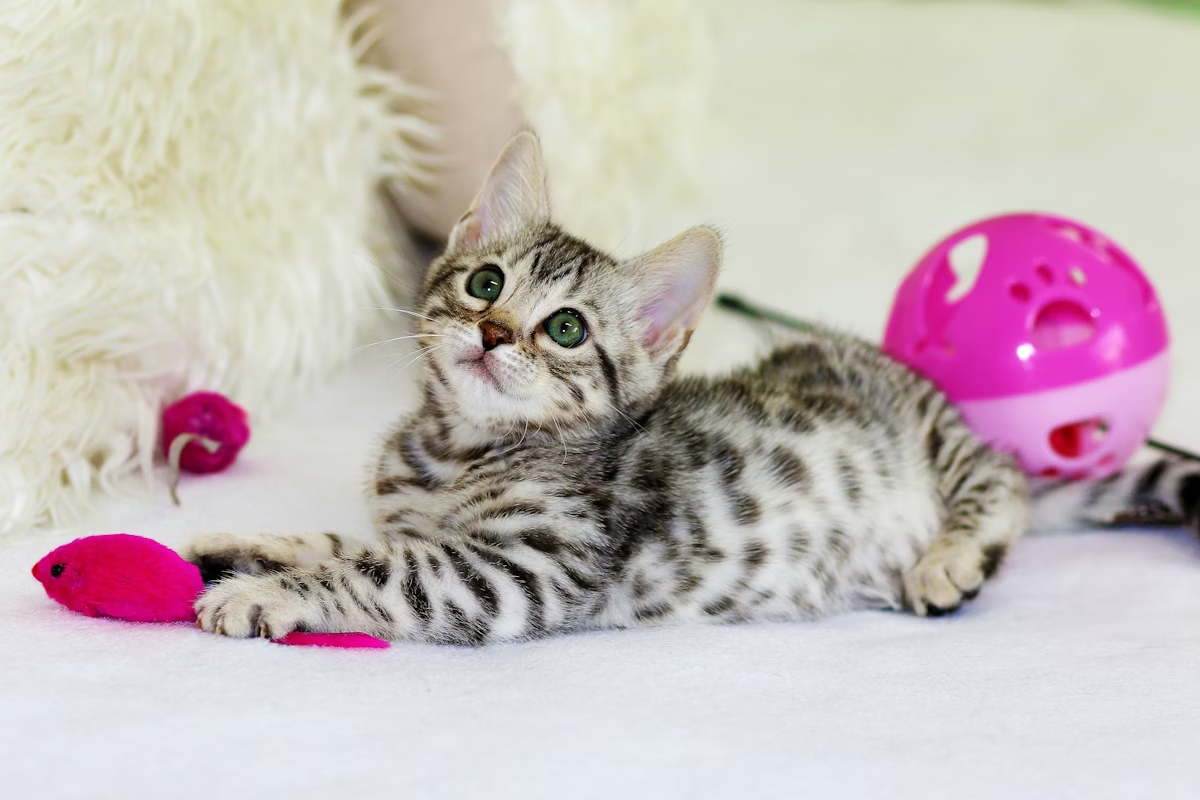
Indoor cats living in small apartments often lack daily movement, making regular cat exercise one of the most important parts of feline care. Unlike outdoor felines that naturally roam, hunt and explore, apartment kitties have limited space. Without intentional exercise for indoor cats, pets face higher risks of obesity, urinary problems, stress and lazy lifestyles. Many cat owners wonder about how much exercise does a cat need and struggle with how to get a cat to exercise when their kitty refuses play. Building a consistent workout cat routine supports long-term fitness for cats, especially for sedentary indoor breeds.
Apartment tip: Light wandering around the home does not count. Real fitness for cats comes from active chasing, pouncing, climbing, and sprinting during short daily play sessions.
Why Cat Exercise Matters for Indoor Apartment Cats
Proper exercise for indoor cats delivers physical and mental benefits you cannot ignore. Daily movement burns excess calories to prevent overweight issues, improves digestion, supports joint health and lowers the risk of cat bladder and urinary troubles. For confined apartment cats, cat exercise also releases pent-up energy and reduces destructive behaviors such as scratching furniture or nighttime zoomies.
Good fitness for cats does not require a huge house. Even studio apartments have enough room to create a simple workout cat schedule. The biggest barrier is not space, but inconsistent play routines and not knowing how much exercise does a cat need for their age and body size. Support your cat’s healthy weight with our guide: overweight cat safe weight loss tips for apartment cats.
Beyond weight control, regular movement improves sleep quality, strengthens the bond between you and your cat, and makes apartment living less stressful for high-energy breeds. Think of cat exercise as daily enrichment, not an optional extra.
Signs Your Indoor Cat Needs More Exercise
Many apartment owners assume a quiet cat is a content cat. In reality, low activity often means your kitty is bored, under-stimulated, or already gaining weight. Watch for these common signals that fitness for cats needs attention:
- Gradual weight gain or a thicker waistline despite no major diet change
- Sleeping most of the day, then exploding into midnight zoomies
- Scratching sofas, curtains, or door frames more than usual
- Begging for food out of boredom rather than true hunger
- Ignoring toys that used to be exciting
- Following you room to room and demanding attention constantly
If several of these signs show up together, increasing structured exercise for indoor cats is usually more effective than buying another automatic toy.
How Much Exercise Does a Cat Need? Standard Guidelines
A frequent question from new cat parents is exactly how much exercise does a cat need. Activity requirements change based on age, weight and personality:
- Kittens (0–12 months): 30–45 minutes of active cat exercise daily, split into many short bursts. Young kittens naturally have high energy and benefit from frequent play.
- Adult indoor cats (1–7 years): Aim for 20–30 minutes of structured exercise for indoor cats each day. Split into two sessions of 10–15 minutes (morning and evening, matching cats’ natural active hours).
- Senior cats (8+ years): Low-impact gentle activity, 10–20 minutes daily. Focus on slow chasing and stretching instead of intense jumping to protect joints.
- Overweight cats: Gradually build a workout cat plan. Start with 5-minute play sessions and slowly extend time to avoid exhaustion.
Remember: light wandering around the apartment does not count. Real fitness for cats requires active chasing, pouncing, climbing and sprinting during playtime. Pair movement with short 10-minute play routines so daily sessions stay easy to keep.
Breed personality also matters. Active breeds such as Siamese often need closer to the upper end of the range, while calmer breeds like the British Shorthair or Ragdoll may prefer shorter, gentler sessions—but they still need daily movement to stay lean indoors.
Sample Daily Workout Cat Routine for Apartments
If you are unsure how to organize play, use this simple workout cat schedule built for small homes and busy owners:
- Morning (8–12 minutes): Wand toy chase through the living room, then 2 minutes of calm catching so your cat “wins” before breakfast
- Midday (optional, 5 minutes): Puzzle feeder or kibble scatter while you work from home
- Evening (10–15 minutes): Mix of feather wand, soft ball fetch, and cardboard tunnel runs before dinner
- Night wind-down: End with a small meal so hunting energy settles into sleep instead of 3 a.m. zoomies
Busy-owner shortcut: Two focused 10-minute sessions beat one distracted 30-minute session. Consistency matters more than perfect toy choices for long-term fitness for cats.
How to Get a Cat to Exercise: Apartment-Friendly Tips
If your cat avoids toys and refuses to move, use these practical methods to solve how to get a cat to exercise inside compact living spaces.
1. Follow natural hunting instincts
Cats lose interest if toys do not mimic prey. Move wands, feather toys and crinkle balls slowly, pause frequently, and let the cat “catch” the toy sometimes. This makes cat exercise far more attractive than boring static toys.
2. Set fixed daily play times
Build a predictable workout cat schedule. Cats learn routines quickly. Schedule play before mealtime; hungry cats are far more willing to join exercise for indoor cats.
3. Add vertical space for natural movement
Cat trees, wall shelves and window perches encourage climbing and jumping. Vertical space turns your small apartment into a playground and greatly improves fitness for cats without extra floor space. A dedicated window spot can also invite more climbing and watching activity.
4. Use puzzle feeders for low-pressure activity
Hide kibble around the apartment or use treat-dispensing toys. Your cat will walk and search for food, adding light cat exercise all day when you are busy working. Measured portions still matter—see how much kibble to feed indoor apartment cats.
5. Rotate toys to avoid boredom
Cats get tired of seeing the same toys every day. Keep several toys stored away and swap them weekly to keep your cat curious and motivated to exercise.
6. Match play style to your cat’s personality
Some cats sprint; others stalk. If your kitty freezes during fast laser zigzags, slow the motion and keep toys closer to the floor. For shy cats, start play in a quiet room with fewer distractions before expanding into the full apartment.
7. Make exercise social, not solo
Automatic toys can help, but they rarely replace interactive play. Your voice, eye contact, and timing turn ordinary toys into a hunt. That human interaction is often the missing piece when owners ask how to get a cat to exercise.
Best Toys and Gear for Cat Exercise in Small Spaces
You do not need a full pet store haul. A few well-chosen items support most exercise for indoor cats plans:
- Feather or ribbon wand: Best all-around tool for sprinting, leaping, and stalking
- Crinkle balls and soft fetch toys: Easy for solo batting between interactive sessions
- Puzzle feeders: Add movement during meals without taking floor space
- Cardboard boxes and paper bags: Free tunnels that encourage sprinting and hiding (remove bag handles first to avoid neck entanglement)
- Scratching posts / boards: Stretching and claw care count as light daily activity; see our guide on scratching habits
- Cat tree or wall shelves: Vertical climbing is one of the highest-value apartment workouts
Skip loud motorized toys if your cat startles easily. Quiet, prey-like movement almost always produces better cat exercise results in compact homes.
Simple Workout Cat Activities Perfect for Small Apartments
You do not need expensive gear to create effective exercise for indoor cats. Try these low-space activities to boost fitness for cats:
- Wand toy chase: Encourage sprinting and gentle jumping
- Laser pointer games (always end with a physical toy so your cat can catch something)
- Cardboard box tunnels for running and hiding
- Stair climbing if your apartment has stairs
- Fetch with small soft balls for cats that love retrieving
- “Find the treat” scavenger hunts across 2–3 rooms
- Slow hallway chases that reverse direction to build agility
Combine 2–3 activities each play session to build a fun, sustainable workout cat routine. Daily movement also helps lower stress-related urinary tract infection in cats risk for sedentary apartment pets.
How to Get a Lazy or Overweight Cat to Exercise
Lazy cats are common in apartments—especially after years of free-feeding and little play. The goal is not to force intensity; it is to restart interest gently:
- Begin with 3–5 minute sessions once or twice daily
- Use high-value wand toys and move them like injured prey (slow, irregular, low to the ground)
- End every session with a catch and a small meal reward
- Increase duration by 1–2 minutes every few days
- Avoid high jumps until stamina and joints improve
For cats already overweight, combine this gradual workout cat plan with portion control. Diet alone often fails indoors; movement plus measured food is the reliable path to better fitness for cats.
Pair Exercise With Smart Feeding Habits
Play works best when meals support your goals. Free-feeding dry food all day keeps many indoor cats too full to chase toys. Switch to scheduled meals, keep treats under about 10% of daily calories, and consider adding wet food for better fullness. Compare moisture options in our dry food vs wet cat food guide.
A simple rule: play first, then feed. This mirrors a natural hunt-eat-groom-sleep cycle and makes exercise for indoor cats easier to sustain.
Mistakes to Avoid With Cat Exercise
- Forcing your cat to play when stressed or tired; this makes them hate cat exercise
- One single long play session instead of multiple short bursts
- Expecting senior or obese cats to do intense jumping immediately
- Relying only on automatic toys without human interaction
- Ending laser games without a physical toy catch, which can leave cats frustrated
- Playing right after a large meal, which can cause discomfort
- Using strings or rubber bands unsupervised—these are choking and intestinal hazards if swallowed
When to Pause Exercise and Call the Vet
Most healthy cats benefit from more movement, but stop a session and seek veterinary advice if you notice:
- Sudden reluctance to jump, climb, or walk
- Open-mouth breathing, extreme panting, or collapse during play
- Limping, crying out, or guarding a leg or back
- Ongoing lethargy even after rest days
- Rapid weight loss or gain with no routine change
These signs can point to pain, heart issues, arthritis, or other medical problems. Review broader warning signs on our common cat symptoms hub before pushing a harder workout cat plan.
Final Thoughts
Consistent cat exercise is non-negotiable for indoor felines. Once you understand how much exercise does a cat need and master how to get a cat to exercise, you can easily build a sustainable workout cat routine. Even in tiny apartments, smart exercise for indoor cats improves mood, body weight and long-term health. Start with two short daily sessions, rotate toys, reward the hunt with meals, and adjust intensity for age and body condition. Prioritize daily activity to maintain great fitness for cats and help your indoor kitty live a happier, healthier life.
This article is for informational purposes only and is not a substitute for professional veterinary advice. If your cat seems lethargic, in pain, or unable to play normally, consult your veterinarian before starting a new exercise routine.