
Frequent
Urinary Tract Infection in Cats: Signs, Causes & Cure for Indoor Apartment Cats
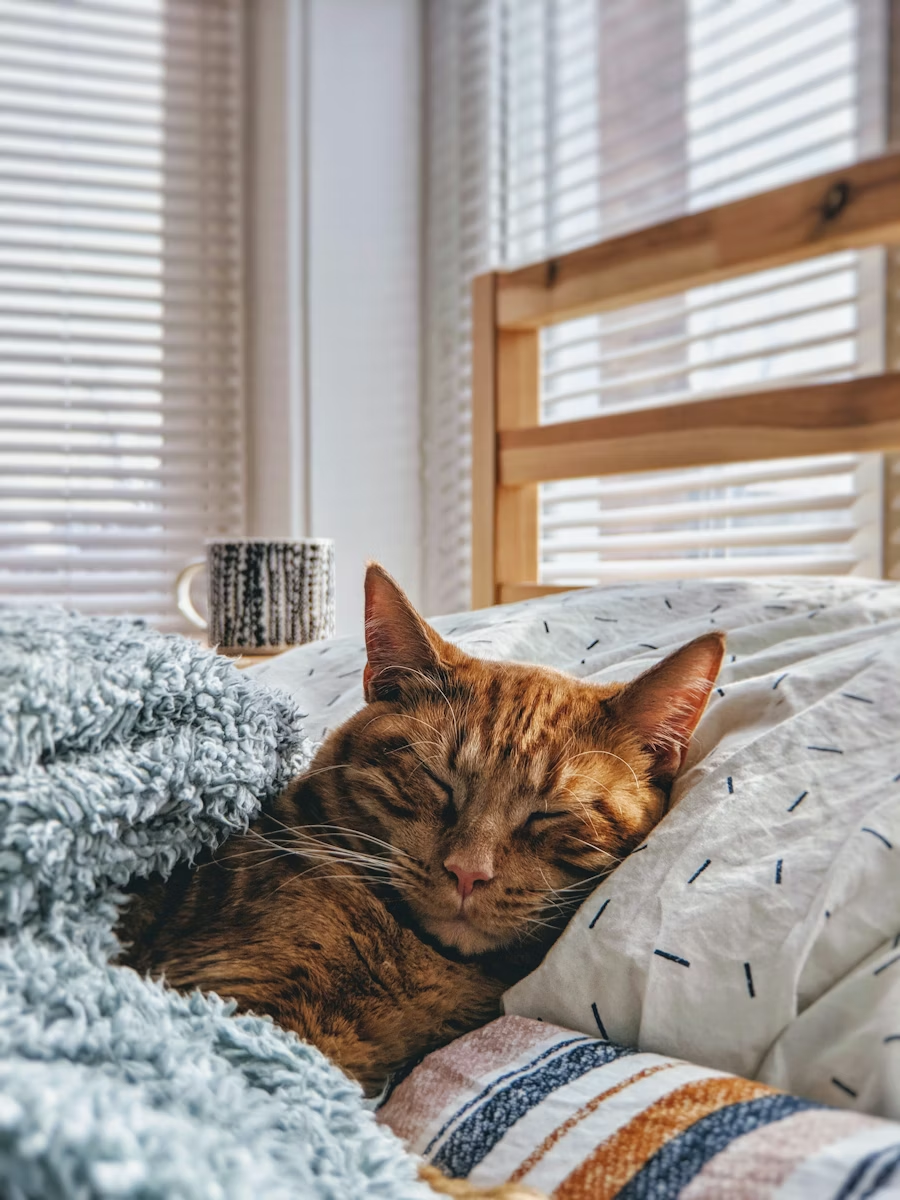
Cats with urinary issues are extremely common—especially indoor cats living in small apartments. Low activity, poor hydration, stress, and dry kibble-heavy diets put apartment felines at a much higher risk for urinary tract infection in cats and recurring cat bladder issues. Many new cat parents miss early warning signs, allowing minor irritation to turn into painful, chronic urinary disease. In this guide, we cover the key signs of UTI in cats, explain what causes UTI in cats, share exactly how to cure UTI in cats, and recommend safe cat food for urinary issues and proper cat UTI medicine options for indoor apartment cats.
Emergency: If your cat cannot urinate at all, cries in pain, or has a hard, painful belly, seek emergency veterinary care immediately. A blocked urinary tract can become fatal within 24–48 hours.
What Are Cat Urinary Issues & Cat Bladder Issues?
Cats with urinary issues encompass a wide range of feline lower urinary tract diseases (FLUTD), including inflammation, bladder stones, bacterial infection, and frequent straining to urinate. While people often use the term UTI broadly, urinary tract infection in cats specifically refers to a bacterial infection inside the bladder or urinary tract.
Clear Signs of UTI in Cats (Early & Severe Symptoms)
Cats hide pain well, so you must watch closely for subtle signs of UTI in cats. Early detection is critical to prevent emergency vet visits, especially for indoor cats who cannot relieve discomfort by roaming outdoors.
Early UTI Symptoms
- Frequent trips to the litter box with only small drops of urine
- Straining, squatting, or taking a long time to urinate
- Strong, foul-smelling urine in your small apartment space
- Restlessness, pacing, or inability to settle comfortably
- Accidental peeing outside the litter box on carpets or furniture
Severe Signs of Urinary Tract Infection in Cats
- Visible blood or pink tint in urine
- Crying or meowing in pain while urinating
- Lethargy, loss of appetite, and hiding behavior
- Hard, painful belly when touched
- No urine output at all (emergency blockage risk)
If your cat shows any severe symptoms, seek emergency veterinary care immediately. Litter box avoidance can also look like a behavior problem—see our guide on cat wee on the bed if accidents are happening on furniture. Always rule out UTI and other urinary disease before assuming the issue is purely behavioral.
What Causes UTI in Cats? (Apartment Cat Specific Triggers)
Understanding what causes UTI in cats helps you prevent repeat infections and chronic cat bladder issues. For indoor apartment cats, these are the most common root causes:
1. Chronic Dehydration
Cats naturally have low thirst drive. Indoor cats eating only dry kibble rarely consume enough water. Concentrated urine irritates the bladder lining, creates inflammation, and allows bacteria to grow—directly causing urinary tract infection in cats. Learn more about moisture trade-offs in our dry food vs wet cat food guide.
2. High-Stress Indoor Living
Small spaces, loud indoor noises, new furniture rearrangements, or loneliness can trigger feline stress. Stress suppresses the immune system and inflames the bladder, making cats with urinary issues far more susceptible to infection.
3. Poor Diet & High Mineral Kibble
Standard low-quality kibble contains excess minerals that promote crystal and stone formation inside the bladder, worsening cat bladder issues and recurrent UTI. Measured portions matter too—see how much kibble to feed indoor apartment cats.
4. Dirty Litter Box Conditions
In compact apartments, litter boxes are often placed in confined areas. Infrequent cleaning leads to bacterial growth, which travels up the urinary tract and causes infection.
5. Sedentary Lifestyle & Obesity
Overweight indoor cats with minimal exercise have slower metabolism and weaker bladder function, drastically increasing UTI risk. Prevent urinary problems caused by obesity with our guide on how to help your cat lose weight safely in small apartments.
How to Cure UTI in Cats Safely (Home + Vet Treatment)
If you’re searching how to cure UTI in cats, always follow this two-step approach: professional veterinary treatment + apartment-friendly home recovery care.
1. Veterinary Treatment & Cat UTI Medicine
Prescription cat UTI medicine is required for bacterial urinary tract infections. Common vet-prescribed treatments include oral antibiotics, anti-inflammatory medications to reduce bladder swelling, and pain relief drugs.
Never use human UTI medicine or over-the-counter antibiotics. Incorrect dosage or unsafe ingredients can cause toxicity and kidney damage in cats.
2. At-Home Apartment Recovery Tips
- Increase water intake with a quiet cat water fountain to dilute urine naturally
- Clean litter boxes twice daily to reduce bacterial exposure
- Create a calm, low-stress corner in your apartment for resting
- Avoid moving furniture or introducing new toys during recovery
Best Cat Food for Urinary Issues (Prevent Repeat Infections)
Switching to specialized cat food for urinary issues is the most effective long-term fix for cats with urinary issues. The right diet lowers urine pH, reduces mineral buildup, increases moisture intake, and soothes sensitive bladders.
Key Features of Good Urinary Cat Food
- High moisture content (wet food formulas preferred for apartment cats)
- Controlled magnesium and phosphorus levels to prevent crystals
- pH-balanced ingredients to reduce bladder inflammation
- High animal protein, low filler grains
For prevention, mix urinary-support wet food with low-sensitivity kibble. This affordable, apartment-friendly routine prevents recurring urinary tract infection in cats without full diet overhauls.
How to Prevent Recurring Cat Bladder Issues & UTI
Most cats with urinary issues suffer from repeat infections due to unsolved lifestyle triggers. Use these simple small-space rules to protect your indoor cat long-term:
- Always prioritize hydration over dry-only kibble diets
- Stick to consistent feeding schedules to avoid weight gain
- Provide daily cat exercise and play sessions to reduce stress and boost metabolism
- Use vet-recommended cat food for urinary issues for sensitive felines
- Schedule routine checkups if your cat has a history of UTI
Final Thoughts
Cats with urinary issues are extremely common in indoor apartment environments, but almost all cases are preventable and treatable. Learning to spot early signs of UTI in cats, understanding what causes UTI in cats, and knowing how to cure UTI in cats with proper vet care and cat UTI medicine can save your cat from chronic pain. Pair medical treatment with specialized cat food for urinary issues and low-stress apartment living habits to eliminate recurring cat bladder issues and keep your indoor feline healthy long-term.
This article is for informational purposes only and is not a substitute for professional veterinary advice. If your cat shows urinary symptoms—especially straining, blood in urine, or no urine output—contact your veterinarian or an emergency clinic right away.