
Cat Health
What Are the Key Symptoms of Kidney Disease in Apartment Cats? My Rescue Cat's Story
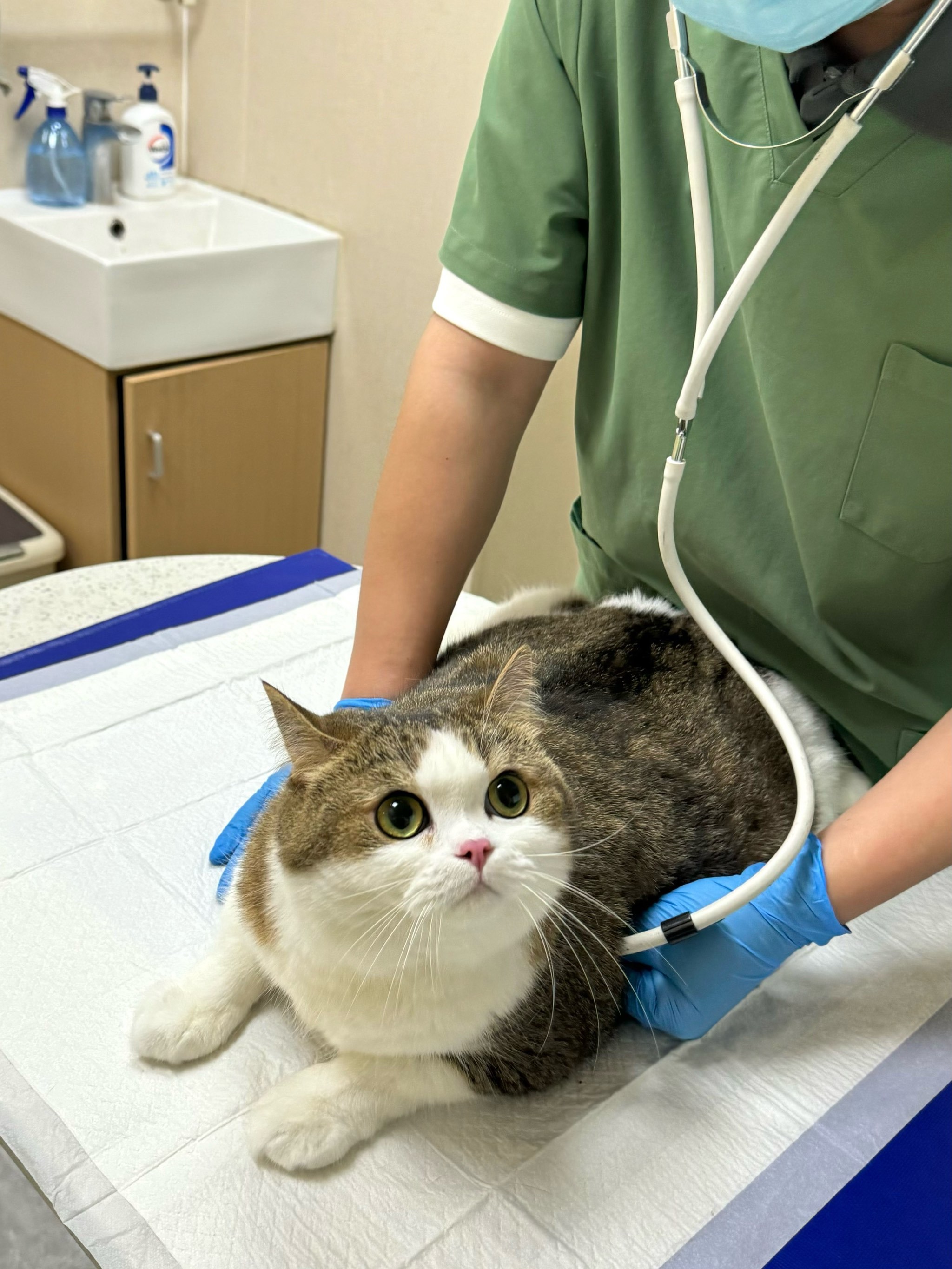
A few months ago, I rescued a stray indoor cat that suddenly fell very sick out of nowhere. For three whole days, the poor kitty was constantly vomiting and having loose diarrhea, refusing most of its meals, and lying listlessly in the corner of the room. I initially thought it was just a simple stomach upset or mild food poisoning, so I fasted it for a day and adjusted its diet, hoping it would recover soon. But its condition didn’t improve at all—instead, it became weaker, drank way more water than usual, and hid away to rest all day. After rushing it to the vet for a full checkup, I was shocked to find out the real problem: feline kidney atrophy, a typical chronic kidney issue in cats. That real-life experience made me dive deep into the symptom of kidney disease in cats, and I want to share everything I learned with fellow cat owners, so no one misses these critical early warning signs.
Many new cat parents only associate cat sickness with colds, stomach troubles, or hairballs, but kidney disease in cats is one of the most common silent illnesses, especially in adult and senior cats. The scariest part is that early symptoms of kidney disease in cats are extremely subtle, easy to mix up with minor digestive issues, and most owners only notice something is wrong once the condition has progressed severely. In this article, I’ll break down obvious and hidden feline kidney disease symptoms, risk factors, and daily care solutions based on my rescue cat’s real condition and professional vet advice. For a broader symptom checklist, browse our Common Cat Symptoms hub.
When to act fast: Recurring vomiting, diarrhea, increased thirst, and weight loss that last more than a day or two are not normal. Contact your veterinarian promptly—kidney disease is manageable when caught early.
My Rescue Cat’s Kidney Disease Experience (Real Symptoms I Witnessed)
Before getting a formal diagnosis, my rescue cat showed a series of abnormal behaviors that perfectly match the classic symptom of kidney disease in cats. The first red flag was persistent vomiting and diarrhea, which lasted for multiple consecutive days. Unlike ordinary indigestion that resolves in a day, this cat’s gastrointestinal discomfort was recurring, with no improvement after diet adjustments. At that time, I had no idea this was a typical early warning of declining kidney function.
The vet explained that when a cat’s kidneys start to weaken, they can no longer filter toxins and waste from the blood effectively. These accumulated toxins irritate the gastrointestinal tract, triggering frequent vomiting and loose stools—one of the most common symptoms of kidney disease in cats that owners easily overlook. If your cat is vomiting repeatedly, see our guide on cat vomiting causes and fixes for context, but remember that kidney-related vomiting often does not respond to simple diet changes alone.
After the blood work and ultrasound examination, the result confirmed kidney atrophy: the cat’s kidney volume was significantly smaller than the normal standard, and its renal filtration function was severely impaired. The vet gave clear care guidelines from that day on. First, all daily cat snacks, treats, and high-salt, high-oil ordinary cat food had to be completely stopped. Second, the cat’s daily diet was fully switched to professional vet-prescribed kidney care cat food with low phosphorus and low protein. Most importantly, I had to force and encourage it to drink more water every single day to assist kidney metabolism and reduce organ burden.
Watching this little cat recover slowly with standardized care made me realize how crucial it is for every cat owner to recognize the symptom of kidney disease in cats early enough to intervene.
Early Stage: Symptoms Owners Often Miss
Feline kidney disease is divided into acute and chronic conditions, and chronic kidney disease is particularly prevalent in indoor domestic cats. In the early stage, cats may still look fairly normal. Since cats hide pain well, most symptoms do not scream “kidney problem”—leading owners to delay treatment for months or even years.
Excessive thirst and frequent urination
Excessive thirst and frequent urination are the top early warning signs of feline kidney problems. When kidney function declines, cats cannot concentrate urine normally, causing their bodies to lose massive amounts of water. To compensate, they will drink water constantly, visit the water bowl dozens of times a day, and have significantly more urine clumps in the litter box. If you notice your cat’s drinking and peeing habits suddenly change, do not take it as a good sign—it is one of the clearest symptom of kidney disease in cats. Some cats also start peeing on soft surfaces like the bed when they cannot make it to the litter box in time—see our guide on cat wee on the bed for how to tell medical causes from behavior problems.
Loss of appetite and gradual weight loss
Loss of appetite and gradual weight loss are also typical symptoms of kidney disease in cats. Toxin buildup in the blood will make cats feel nauseous and lose interest in food day by day. Many owners think their cats are just picky eaters, but long-term reduced food intake accompanied by steady weight loss is a classic manifestation of weakened kidney function. If weight is a concern, our overweight cat guide covers how to monitor body condition—the same weighing habits help catch unexplained loss early.
Recurring vomiting and occasional diarrhea
Recurring vomiting and occasional diarrhea, just like my rescue cat experienced, are core gastrointestinal symptoms of feline kidney disease. Unlike ordinary indigestion, kidney-related vomiting often happens on an empty stomach or in the early morning, and the symptoms will recur intermittently instead of disappearing after simple conditioning. Persistent digestive upset can also overlap with smelly cat gas and gut issues, so look at the full picture rather than treating one sign in isolation.
Early signs checklist: Increased drinking and urination, reduced appetite, steady weight loss, recurring vomiting or diarrhea, and low energy—especially together—warrant a vet visit.
Mid-Stage: When the Pattern Becomes Harder to Ignore
If early symptoms of kidney disease in cats go untreated, the signs become more consistent and harder to dismiss. At this stage, many apartment owners finally notice something is wrong—but kidney function may already be significantly reduced.
Visible weight loss and muscle wasting
Gradual weight loss turns into obvious thinness, especially along the spine and hips. Your cat may still eat, but not enough to maintain muscle. Weigh your cat monthly; even a 5–10% drop over weeks is a red flag.
Worsening nausea and more frequent vomiting
Occasional vomiting becomes a regular pattern—often on an empty stomach or in the early morning. Toxin buildup from failing kidneys irritates the stomach lining. If vomiting persists, see our guide on cat vomiting causes and fixes, but know that kidney-related vomiting rarely stops with diet tweaks alone.
Dull coat, poor grooming, and bad breath
A once-shiny indoor cat may stop grooming properly, leaving a greasy or matted coat. You may also notice faint ammonia-like breath as urea toxins build up in the blood. These mid-stage signs often appear before owners connect them to kidney disease.
Low energy and longer hiding periods
Your cat sleeps more, plays less, and retreats to quiet corners of the apartment. In a small home, you might notice them avoiding the living room or choosing the closet over their usual window perch. Gentle activity from our indoor play routines is still fine, but let your cat set the pace.
More litter box accidents and larger urine clumps
Increased urination means bigger, more frequent clumps in the litter box—or accidents when your cat cannot reach the box in time. Some cats start peeing on soft surfaces like the bed; see our guide on cat wee on the bed to tell medical causes from behavior problems.
Mid-stage checklist: Noticeable weight loss, regular vomiting, dull coat, ammonia breath, low energy, and increased litter box output together mean a vet visit is overdue—not optional.
Late Stage: Dangerous Warning Signs
If mid-stage symptoms are still missed, the condition progresses quickly. At this point, the cat’s physical condition declines rapidly, and treatment becomes more complex and urgent.
Severe lethargy and collapse
Your cat may barely move, refuse all food, and hide continuously. Weakness can look like simple old age in senior cats—which is why regular blood work for cats over 8 is essential. Many cats only show obvious symptoms after more than 60% of kidney function is lost.
Anemia, pale gums, and unsteady walking
Failing kidneys produce less erythropoietin, the hormone that stimulates red blood cell production. Pale gums, cold ears, and wobbly walking are late-stage signs that need immediate veterinary attention.
Strong ammonia breath and mouth ulcers
Bad breath becomes unmistakable—a sharp ammonia smell caused by urea toxins the kidneys can no longer filter. Some cats develop mouth ulcers and stop eating entirely because eating is painful.
Repeated vomiting of bile and complete loss of appetite
Late-stage cats may vomit yellow bile repeatedly and refuse even their favorite wet food. Dehydration worsens quickly at this point, creating a dangerous cycle that requires vet intervention.
Emergency: If your cat has not eaten for 24 hours, cannot stand, has pale gums, or is vomiting repeatedly, go to the vet immediately. Late-stage kidney disease is a medical emergency.
- Severe lethargy and continuous hiding
- Rough, dull coat and complete loss of grooming
- Bad breath with a strong ammonia-like odor
- Pale gums and signs of anemia
- Unsteady walking or inability to jump
- Repeated vomiting of yellow bile
Kidney Disease Care for Apartment Cats
Indoor cats in small apartments face extra challenges: limited space for water stations, dry-air heating, and fewer environmental cues to drink. These apartment-friendly strategies helped my rescue cat and align with standard vet guidance for early and mid-stage kidney disease.
How to Get an Indoor Cat to Drink More Water in a Small Apartment
Hydration is the single most important daily care step for cats with kidney disease. In a compact home, you need to make water visible, fresh, and easy to reach from every room your cat uses.
- Place multiple water bowls in different corners—living room, bedroom, near the litter box (but not right beside it). In a studio, even two or three small bowls beat one hidden in the kitchen.
- Use a quiet water fountain on a stable surface away from the litter box. Running water attracts cats who ignore still bowls; choose a low-noise model so it does not stress a sick cat.
- Switch to wet food as the main meal to boost moisture without forcing extra bowl drinking. See our dry food vs. wet cat food guide for portion and transition tips.
- Add water or low-sodium broth to wet food to create a soupy texture. Many kidney cats accept this more readily than plain water from a bowl.
- Refresh bowls twice daily and wash them with unscented soap. Stale water in a small, warm apartment loses appeal fast.
- Track litter box output as a hydration check. Larger, more frequent clumps suggest your cat is drinking more; dry, small clumps mean you need to increase fluids and call your vet.
As a rough guide, most cats need about 50–60 mL of water per kg of body weight daily. Cats with kidney disease often benefit from more—many vets target 60–100 mL per kg through water and wet food combined. A 4 kg indoor cat might need 200–400 mL total daily. Your vet can set a specific target based on blood work and urine concentration.
Low-Phosphorus Diet Options for Indoor Cats
Diet change is the second pillar of kidney care. High phosphorus accelerates kidney damage, so treats, snacks, and ordinary kibble must go. Stick to vet-approved kidney formulas with controlled phosphorus and moderate, high-quality protein.
Prescription kidney diets (ask your vet first):
- Hill’s Prescription Diet k/d (dry and wet)
- Royal Canin Renal Support (multiple formulas and textures)
- Purina Pro Plan Veterinary Diets NF Kidney Function
- Farmina Vet Life Renal (where available)
Apartment-friendly feeding tips:
- Prioritize wet kidney formulas for hydration and easier portion control in small kitchens.
- Feed small, frequent meals rather than one large bowl—easier on nausea and better for picky eaters.
- Warm wet food slightly (not hot) to increase aroma in enclosed apartment spaces.
- Store opened cans in the fridge and use within 24–48 hours to avoid waste in small households.
Foods to avoid completely:
- Commercial cat treats and snack sticks (high phosphorus)
- Cheese, milk, and dairy (many cats are lactose intolerant; phosphorus is high)
- Organ meats like liver and kidney (extremely high phosphorus)
- Human salty snacks, deli meat, and table scraps
- Standard adult kibble unless your vet approves a specific renal dry formula
Before changing diet, review our What Can Cats Eat? guide. Never switch to a homemade renal diet without veterinary nutrition guidance.
Daily Care Rules for Cats With Kidney Disease
Based on my practical experience taking care of a kidney-diseased cat and professional vet guidance, targeted daily care can effectively delay the deterioration of renal function and improve the cat’s quality of life. These care methods are suitable for cats with early and mid-stage kidney disease symptoms.
Stop snacks and high-phosphorus food
Completely stop all snacks and ordinary high-phosphorus food. Most commercial cat snacks, canned treats, and ordinary daily cat food contain high phosphorus and crude protein, which increase the burden on the kidneys and accelerate organ damage. Stick to professional kidney-care prescription cat food with low phosphorus, moderate protein, and easy-to-absorb nutrients. See the low-phosphorus diet list above for specific options.
Strictly encourage water intake
Sufficient water dilutes toxins in the blood, promotes urine excretion, and reduces kidney pressure. Use the apartment hydration tips above—multiple bowls, a fountain, wet food, and broth-enhanced meals—as your daily routine.
Reduce stress and overexertion
Avoid stressful environments and strenuous exercise. Stress causes endocrine changes that can worsen kidney damage. Keep the feeding environment quiet and stable, avoid frequent furniture moves or loud renovation noise, and do not force excessive play.
FAQ
Can early kidney disease in cats be reversed?
Chronic kidney disease (CKD) cannot be fully reversed once the kidneys are damaged. However, early-stage CKD (often called IRIS Stage 1–2) can be managed for years with prescription kidney diet, hydration, and regular vet monitoring—and progression can be slowed significantly.
Acute kidney injury from toxins, severe dehydration, or urinary blockages may be reversible if treated immediately. That is why sudden increases in thirst, vomiting, or litter box changes always deserve a same-week vet visit.
The bottom line: you cannot undo chronic damage, but catching symptoms early gives your cat the best chance at a long, comfortable life indoors.
How much water should an indoor cat with kidney disease drink each day?
Most healthy cats need roughly 50–60 mL of water per kg of body weight per day. Cats with kidney disease often benefit from more—many veterinarians aim for 60–100 mL per kg through a combination of bowl water and wet food moisture.
For example, a 4 kg (9 lb) indoor cat might need 200–400 mL of total daily fluid from all sources combined. You do not need to measure every drop; instead, watch for larger urine clumps, wet-nose checks, and skin-elasticity signs, and ask your vet to set a target based on blood work and urine concentration.
If your cat refuses water, prioritize wet kidney food and broth-enhanced meals before worrying about bowl intake alone.
What are the first signs of kidney disease in cats?
The earliest signs are often easy to miss because your cat may still look fairly normal. Watch for these together rather than in isolation:
- Drinking noticeably more water than usual
- Larger or more frequent urine clumps in the litter box
- Slightly reduced appetite or picky eating
- Occasional vomiting or soft stools that do not resolve quickly
- Subtle weight loss and lower energy
In apartment homes, the thirst and litter box changes are usually the first clues owners spot. If two or more of these persist for more than a few days, ask your vet for blood work and urinalysis—do not wait for obvious late-stage symptoms.
How long can a cat live with kidney disease?
There is no single answer, because lifespan depends on how early the disease is caught and how well it is managed. Many cats with early-stage CKD (IRIS Stage 1–2) live comfortably for years after diagnosis when they receive prescription kidney diet, good hydration, and regular vet checkups.
Mid-stage disease requires closer monitoring but can still be managed for a long time indoors with consistent care. Late-stage kidney disease shortens lifespan, but the focus shifts to quality of life—pain control, appetite support, and keeping your cat calm in a familiar apartment environment.
Your vet will stage the disease from blood and urine tests and give you a realistic outlook for your cat. The earlier you catch symptoms, the more time you have to slow progression.
Final Thoughts
My rescue cat’s sick experience taught me that the symptom of kidney disease in cats is never a single abnormal behavior, but a combination of subtle changes in diet, drinking, defecation, and mental state. Many cat owners ignore early symptoms of kidney disease in cats because they are not obvious enough, resulting in irreversible kidney atrophy and functional damage.
As cat parents, we don’t need to be overly anxious, but we must be observant. Once your cat has recurring vomiting and diarrhea, increased drinking and urination, picky eating and weight loss, be sure to seek medical treatment in time. With scientific diet replacement, strict snack control, and sufficient water intake, cats with early kidney disease symptoms can maintain a stable physical condition for a long time and live a healthy and comfortable life. For daily wellness habits, see our Cat Care guide, and explore Discover for more feline health curiosities.
This article is for informational purposes only and is not a substitute for professional veterinary advice. Kidney disease requires diagnosis through blood work and urinalysis. If your cat shows any of the symptoms described above, contact your veterinarian promptly.